Boxing training for kids has grown from a niche activity into a mainstream fitness trend embraced by families worldwide. Once seen as a sport for adults, it’s now a structured, safe, and empowering experience that supports child development through sports. From boxing fitness for children to building confidence, coordination, and discipline, it offers lifelong benefits that extend far beyond the ring.
Across cities like Dubai, Singapore, the Philippines, Cambodia, and Australia, youth boxing programs are teaching kids focus, fitness, and fun in equal measure. At Spartans Boxing Club, the approach combines expert-led training with a nurturing environment that makes boxing accessible for every child whether they’re learning their first jab or refining junior boxing techniques.
What Is the Appropriate Age for Kids to Start Boxing?
Age Groups and Development Stages
When it comes to beginner boxing lessons for kids, age isn’t the only factor, it’s about readiness and developmental stages. Children as young as three can begin light boxing activities that emphasize coordination, balance, and movement rather than contact.
-
Ages 3–5: At this age, training is playful. Coaches use fun drills, light bags, and interactive games to introduce balance and coordination.
-
Ages 5–10: Kids start learning basic stances, footwork, and non-contact punching combinations. This stage lays the foundation for strength, endurance, and confidence.
-
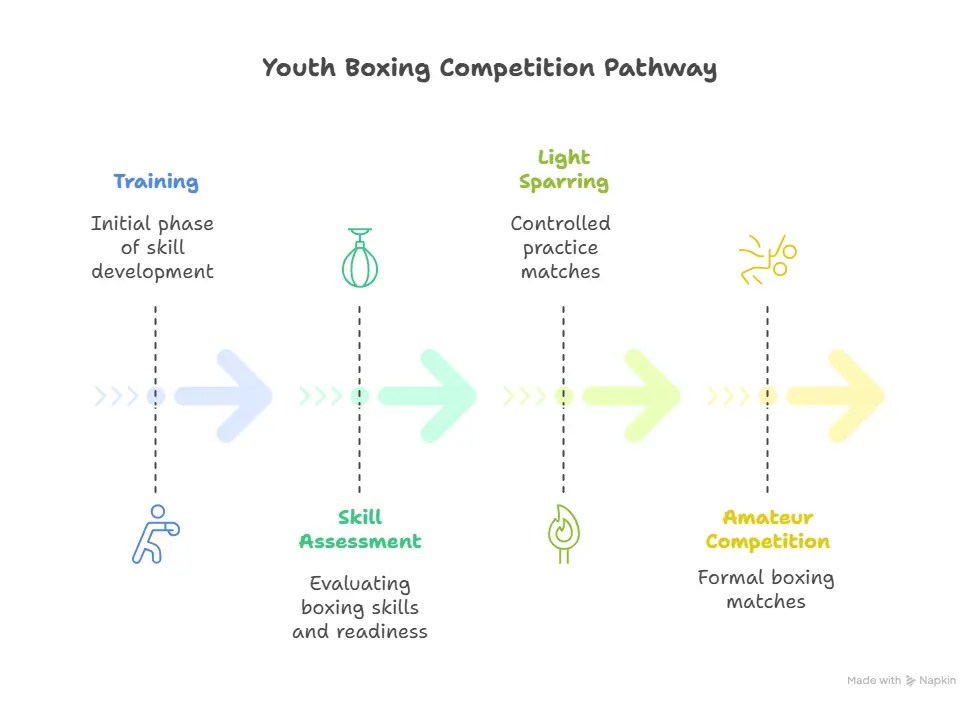
Ages 11 and above: More structured training is introduced. Students can progress to light sparring if they meet safety standards and show emotional maturity.
The earlier children are introduced to movement-based boxing, the stronger their foundation becomes in coordination, respect, and discipline.
Gym and Program Variations by Age
Every gym offers a slightly different approach depending on age. Spartans Boxing Club, for instance, separates classes into non-contact and beginner levels, focusing on technique and agility before introducing controlled sparring.
-
Non-contact classes focus on fitness and form. Kids learn to punch pads and bags but never each other.
-
Contact classes, reserved for older and more experienced youth, are introduced with full protective gear and constant supervision.
This structure ensures that children develop safely, both physically and emotionally, while nurturing their enthusiasm for the sport.
What Equipment Is Needed for Kids’ Boxing Training?
Essential Boxing Gear for Children
Safety begins with the right equipment. The basics include hand wraps to protect delicate joints, gloves suited to the child’s size, and mouthguards for those in contact drills.
Comfortable sportswear is equally important. Lightweight athletic clothing helps kids move freely, while supportive shoes provide stability during quick pivots and footwork drills.
Equipment Provided by Gyms vs. Buying Your Own
Many gyms provide gloves and wraps for first-time students, but investing in personal gear fosters ownership and hygiene. Parents can consult coaches to ensure they purchase appropriate gear for their child’s age and class level. Quality equipment also helps prevent injuries, particularly when training frequency increases.
How Can Parents Ensure Safety During Kids’ Boxing Training?
Safety Measures and Injury Prevention
The foundation of a successful kids self-defense class is safety. Structured boxing programs are designed with child physiology in mind shorter rounds, lighter loads, and constant supervision. Instructors ensure that drills remain age-appropriate, emphasizing technique over force.
Protective gear such as padded gloves, headgear, and mouthguards are mandatory in any contact scenario. Many gyms maintain strict ratios between coaches and students to ensure close supervision.
Importance of Qualified Coaches
Not every coach can effectively train children. The ideal instructor combines boxing expertise with patience and communication skills tailored for young learners. Certified coaches who understand child behavior create a safe, motivating environment where discipline grows naturally.
Spartans Boxing Club prioritizes certified youth coaches who promote technique mastery before power, ensuring that every child feels empowered rather than pressured.

What Are the Key Benefits of Boxing for Kids?
Physical Benefits
Boxing offers full-body conditioning, developing strength, coordination, and cardiovascular endurance. Children build core stability and balance while enhancing agility skills that translate to any sport.
Beyond fitness, boxing fitness for children improves reaction time and helps maintain a healthy weight. Studies show that consistent boxing workouts enhance flexibility and muscular endurance, promoting lifelong healthy habits for children.
Mental and Social Benefits
Boxing isn’t just about punches, it’s about mindset. The sport instills sports discipline for youth, teaching respect for coaches, peers, and oneself. Kids learn to set goals, handle setbacks, and celebrate progress valuable lessons for both school and life.
Through sparring and teamwork, they also develop empathy and cooperation. These experiences build boxing confidence for kids, empowering them to navigate challenges with resilience.
How Should a Typical Kids Boxing Class Be Structured?
Class Components
A well-structured boxing class blends learning and fun. At Spartans Boxing Club, each session typically begins with a warm-up, transitions into technique training, and ends with cool-down exercises and team games.
-
Warm-up activities: Jump ropes, agility ladders, and coordination games prepare the body for movement.
-
Skill learning: Kids practice stances, punches, and junior boxing techniques under close guidance.
-
Fun circuit stations: Activities like jumping, ducking, and light punching challenges keep energy high and focus sharp.