Category

Franchise

Best Franchises to Own in 2026

Best Franchises to Own in 2026: What Smart Entrepreneurs Are Looking at Today

By Franchise

Why Franchise Ownership Continues to Grow Globally

The search for the best franchises to own has accelerated over the last few years, especially as more professionals look for business models with built-in systems, recognizable branding, and long-term earning potential. Rather than building a company entirely from scratch, entrepreneurs are increasingly choosing franchise opportunities that already have operational frameworks, customer demand, and scalable expansion strategies in place.

That shift is particularly visible across fast-growing markets like Singapore, Dubai, Australia, Cambodia, and the Philippines. Consumer spending continues to rise in these regions, and industries such as food service, wellness, and boutique fitness are benefiting from changing lifestyle habits.

For investors, the appeal goes beyond branding. A successful franchise often provides operational support, training systems, marketing assistance, and clearer financial forecasting. That combination reduces uncertainty while giving owners access to a proven formula that can scale faster than an independent startup.

What Actually Makes a Franchise Worth Owning?

Not every franchise becomes profitable simply because it carries a recognizable name. The best franchises to own usually share a few common characteristics that directly affect sustainability and long-term profitability.

Strong Brand Recognition and Consumer Trust

Consumers are naturally more willing to purchase from businesses they already recognize. This creates an advantage from day one because franchise owners spend less time building awareness compared to independent businesses. Well-known brands often generate customer traffic immediately after opening, which helps reduce the slow early-growth period that many startups experience.

This is particularly important in industries driven by lifestyle and routine behavior. Fitness franchises, for example, rely heavily on community trust and consistency. Brands like Spartans Boxing Club have grown by creating recognizable experiences that members associate with discipline, coaching quality, and community culture across multiple countries.

Proven Systems Create Predictability

Another factor separating top franchise business models from weaker opportunities is operational structure. Strong franchisors create systems that can be repeated consistently across locations. That includes staff training, customer onboarding, marketing execution, pricing models, and reporting systems.

This matters because scalability depends on consistency. A franchise that performs well in one city but struggles to replicate success elsewhere often lacks operational clarity. Investors increasingly prioritize businesses with repeatable frameworks because they support multi-location growth and stronger unit economics.

Recurring Revenue Improves Stability

Many of the most profitable franchise sectors rely on recurring revenue rather than one-time purchases. Membership businesses, subscription models, and service contracts create more predictable monthly income streams.

The fitness industry is one of the clearest examples. Rather than relying solely on walk-in sales, modern gyms and boutique fitness studios focus heavily on long-term memberships and member retention strategies. This creates ongoing cash flow while reducing dependency on seasonal customer behavior.

Businesses with recurring revenue also tend to perform better during economic uncertainty because loyal members continue paying for services they view as part of their lifestyle or routine.

Why Boutique Fitness Has Become a High-Growth Industry

One of the biggest shifts in franchising over the last decade has been the rise of boutique fitness. Unlike traditional gyms, boutique concepts focus on community, specialized training styles, and personalized experiences.

This change reflects broader consumer behavior. Modern consumers increasingly prioritize wellness, mental health, and structured physical activity. According to research from IBISWorld, the global fitness industry continues expanding as younger demographics spend more on lifestyle-driven health experiences.

Community-Based Fitness Models Are Performing Better

Consumers today want more than equipment access. They want accountability, coaching, social interaction, and measurable progress. That explains why boxing studios, functional training centers, and class-based fitness concepts are outperforming many traditional gym models.

Spartans Boxing Club is one example of how community-focused training environments can scale internationally. Through locations in Singapore, Dubai, Australia, and the Philippines, the brand has built a recognizable identity centered around structured boxing programs and strong member culture. Their community-focused approach has helped position the business within one of the world’s fastest-growing fitness categories.

Boutique Fitness Often Operates With Low Overhead

Compared to massive commercial gyms, boutique studios can often operate with lower staffing requirements and smaller floorplans. This creates opportunities for lower operational complexity while still generating strong monthly revenue.

That operational efficiency matters for franchisees evaluating startup costs and profitability timelines. Investors increasingly prefer businesses that can reach breakeven faster without requiring massive infrastructure investment.

Understanding Startup Costs Before Investing

One of the most misunderstood aspects of franchising is initial investment planning. Many entrepreneurs focus only on the franchise fee itself while overlooking operational expenses that affect early cash flow.

The Franchise Fee Is Only One Part of the Investment

A franchise fee grants access to the brand and operating system, but additional expenses usually include:

  • Real estate and leasing
  • Equipment and interior setup
  • Staff recruitment and training

Beyond those costs, franchisees also need working capital to support payroll, marketing, and operational expenses during the first few months of business.

According to Franchise Business, many new owners underestimate how much liquidity they need before reaching profitability. That makes financial planning one of the most important parts of franchise evaluation.

Why the Franchise Disclosure Document Matters

Before purchasing any franchise, investors should carefully review the franchise disclosure document (FDD). This legal document outlines fees, obligations, operational requirements, and historical financial information.

An FDD provides insight into areas such as average performance, closure rates, territorial protections, and litigation history. Strong franchisors are transparent about expectations and operational realities, while weaker systems may present unrealistic projections.

Entrepreneurs who skip this step often underestimate operational demands or fail to identify hidden costs that affect profitability later.

The Rise of Semi-Absentee Ownership

Modern franchising is also attracting professionals who want business ownership without managing daily operations full-time. This has increased demand for semi-absentee ownership models.

Rather than working inside the business every day, owners oversee managers and focus on growth strategy, expansion, or operational monitoring. This structure appeals to investors seeking diversified income streams while maintaining other careers or investments.

Not every franchise supports this approach effectively. Businesses with highly technical operations or inconsistent staffing needs often require direct involvement. However, industries with structured systems and strong training support tend to adapt better to semi-absentee ownership models.

Fitness franchises are increasingly moving in this direction because technology now handles many operational tasks including scheduling, payments, reporting, and customer communication.

Choosing a Franchise That Matches Long-Term Consumer Trends

One of the biggest mistakes new investors make is choosing a franchise based only on short-term hype. Sustainable franchise growth usually comes from industries tied to long-term behavioral trends.

That is why sectors like wellness, fitness, convenience services, and digital-enabled businesses continue attracting investors globally. These industries solve ongoing consumer needs rather than temporary demand spikes.

According to Forbes, franchise brands that successfully adapt to digital behavior and localized marketing strategies are significantly more likely to maintain long-term expansion success.

For modern entrepreneurs, scalability now depends on more than physical locations. Digital integration, customer engagement systems, and retention-focused operations have become critical growth drivers.

How International Markets Are Changing Franchise Opportunities

Different regions present different franchise advantages. Australia remains strong for established service brands and fitness concepts, while Southeast Asia continues attracting newer lifestyle-focused businesses.

Dubai, meanwhile, has become a major destination for premium wellness and luxury-oriented franchises due to rising consumer spending and international tourism growth. Singapore continues to support highly structured franchise systems because of strong infrastructure and digital adoption.

How to Evaluate Franchise Profitability Before Investing

Finding the best franchises to own is not simply about choosing a recognizable brand. Long-term success depends on understanding whether the business can realistically generate sustainable profit after operational expenses, royalties, staffing, and local market costs are factored in.

Many first-time franchise buyers focus heavily on top-line revenue because large sales numbers sound impressive. However, experienced investors pay closer attention to profitability margins, operating efficiency, and long-term scalability. A franchise generating high revenue with weak margins may become far more stressful to operate than a smaller but highly optimized business.

This is why understanding unit economics has become one of the most important parts of modern franchise evaluation.

Why Unit Economics Matter More Than Revenue

Unit economics refers to the profitability of a single business location after all recurring operational expenses are considered. Strong unit economics indicate that a business model can consistently perform across multiple locations without depending on extraordinary conditions.

For example, a fitness franchise with stable membership growth, strong member retention, and manageable staffing costs may generate healthier long-term profits than a restaurant franchise dealing with fluctuating inventory expenses and labor shortages.

This matters because scalable businesses rely on repeatable profitability. Investors who eventually want to own multiple franchise units need confidence that the model performs consistently rather than depending on a single high-performing location.

According to MBE Australia, one of the most important questions franchise buyers should ask is whether existing franchisees are maintaining stable profitability over time. Sustainable growth matters far more than short-term spikes.

The Most Profitable Franchise Categories in 2026

Certain industries continue outperforming others because they align with long-term consumer behavior and economic trends. While food franchises remain dominant globally, service-based businesses and wellness concepts are becoming increasingly attractive because they often operate with lower inventory requirements and more predictable recurring income.

Fitness and Wellness Franchises Continue Expanding

The global fitness market has evolved dramatically over the past decade. Consumers are no longer joining gyms solely for weight loss or aesthetics. They are seeking structured environments that support mental health, stress management, community engagement, and long-term wellness.

That broader lifestyle shift is one reason boutique fitness continues performing well internationally. Brands operating in boxing, functional training, recovery services, and wellness coaching are benefiting from increasing demand across both younger and older demographics.

Spartans Boxing Club has positioned itself within this movement by combining structured boxing programs with community-driven experiences and international expansion. Their future-ready gym concept reflects how modern fitness franchises are increasingly integrating technology, coaching systems, and scalable operational models into member experiences.

Food Franchises Still Dominate High-Revenue Markets

Fast food and beverage franchises continue generating enormous revenue worldwide, especially in densely populated urban markets. Brands like McDonald’s, Jollibee, and Domino’s maintain strong global demand because they operate within highly optimized supply chains and standardized systems.

However, the food sector also carries operational complexity. Inventory management, staffing volatility, rising ingredient prices, and delivery logistics create additional pressure compared to some service-based franchises.

That does not make food franchises weak investments. It simply means investors should evaluate operational demands carefully before committing capital.

Service-Based Franchises Are Attracting Modern Investors

Another trend shaping the franchise market is the rise of service-based businesses with low overhead and simplified logistics. Cleaning services, educational concepts, repair services, and digital-focused operations are becoming increasingly appealing because they often require less infrastructure than traditional retail businesses.

In many cases, these models also support semi-absentee ownership more effectively. Since operational systems can be standardized and delegated more easily, owners can focus on expansion rather than day-to-day execution.

The Hidden Risks Many Franchise Buyers Ignore

While franchising reduces some startup risks, it does not eliminate business challenges entirely. One of the biggest misconceptions in franchising is the belief that brand recognition alone guarantees success.

In reality, even strong franchises can struggle if the local market is oversaturated, operational costs are too high, or leadership quality is weak.

Market Saturation Can Reduce Growth Potential

Some industries become crowded quickly once a business trend gains popularity. Entrepreneurs often rush into high-demand categories without evaluating local competition levels.

Fitness markets illustrate this clearly. A city may support one or two successful boutique studios, but oversupply can reduce profitability for everyone involved. Smart investors study demographic trends, spending patterns, and competitor density before signing franchise agreements.

This is why location research remains critical. The best franchises to own are often those entering markets with growing demand but limited direct competition.

Weak Franchise Support Systems Create Long-Term Problems

One of the biggest advantages of franchising is operational support. However, not all franchisors provide the same level of guidance after launch.

Strong franchise systems offer onboarding programs, operational manuals, marketing support, technology infrastructure, and ongoing business coaching. Weak systems may provide limited assistance after the initial setup phase, leaving owners to solve operational problems independently.

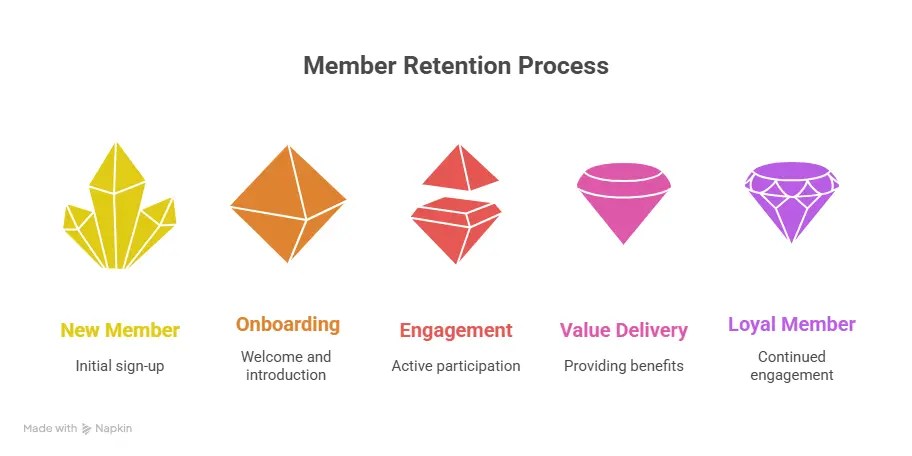
Why Member Retention Has Become a Major Profit Driver

In modern franchising, customer acquisition alone is no longer enough. Businesses that rely entirely on constant new customer flow often face unstable growth and rising marketing costs.

That is why member retention has become one of the most important performance indicators across industries like fitness, education, and subscription-based services.

Retention Creates Predictable Revenue

Businesses with strong retention rates generate more stable cash flow because existing customers continue contributing monthly revenue over longer periods.

For fitness franchises, retention is often driven by coaching quality, accountability systems, community culture, and member experience consistency. A member who feels emotionally connected to the environment is significantly more likely to continue renewing their membership.

This recurring relationship strengthens profitability because retaining an existing customer typically costs less than acquiring a new one.

Community Culture Increases Brand Loyalty

One reason boxing franchises continue expanding globally is that they naturally create strong communities around training. Unlike passive gym experiences, structured classes encourage interaction, accountability, and shared progress.

Spartans Boxing Club has emphasized this approach across its international locations by building programs focused not only on physical training but also on discipline, teamwork, and long-term engagement. Their Spartans Mind initiative reflects how fitness brands are increasingly blending physical wellness with mental resilience and lifestyle development.

International Expansion Is Reshaping Franchise Growth

Global franchise expansion is no longer limited to giant corporations. Modern technology, social media, and digital operations now allow mid-sized franchise brands to scale internationally far faster than before.

This trend is especially visible in Southeast Asia and the Middle East, where rising urban populations and younger demographics continue driving demand for modern lifestyle businesses.

Dubai and Singapore Remain Franchise Hotspots

Dubai continues attracting franchise investment because of high disposable income, tourism growth, and international consumer behavior. Premium wellness concepts, boutique fitness studios, and specialized food brands perform particularly well in this environment.

Singapore, meanwhile, remains one of Asia’s most structured franchise markets. Businesses benefit from strong infrastructure, digital integration, and consumers who are highly receptive to modern service experiences.

According to FMS Franchise Asia, hybrid franchise models combining physical locations with digital customer experiences are becoming increasingly important across the region.

Why Modern Franchise Buyers Think Differently Than Before

Today’s franchise investors are more analytical than previous generations. Rather than simply buying into familiar brands, they evaluate operational flexibility, digital readiness, scalability, and long-term consumer relevance.

This shift explains why industries tied to wellness, convenience, and recurring customer engagement continue attracting attention. Investors increasingly want businesses capable of adapting to changing consumer behavior rather than relying on outdated systems.

How to Shortlist the Best Franchises to Own

After understanding profitability, operational structure, and industry trends, the next step is narrowing down which opportunities genuinely align with an investor’s goals. This is often where experienced franchise buyers separate themselves from first-time entrepreneurs.

Many people approach franchising emotionally. They choose brands they personally like rather than businesses that match their financial goals, management style, and long-term capacity for growth. While passion matters, strong investment decisions require balancing personal interest with commercial practicality.

The best franchises to own are usually the ones that combine strong market demand with operational compatibility. A business may perform exceptionally well on paper but still become difficult to manage if it requires skills or commitments that do not align with the owner’s lifestyle.

Understanding Personal Fit Before Investing

Some franchise systems are heavily operational and demand full-time involvement from owners. Others are built around structured systems that support semi-absentee ownership and multi-unit expansion.

This distinction matters more than many investors realize. Entrepreneurs looking for hands-on involvement may thrive in hospitality or fitness operations where daily interaction drives performance. Others may prefer service-based franchises with more automated processes and smaller teams.

According to Franchise Direct, investors who choose businesses aligned with their management style are more likely to maintain long-term operational consistency and lower burnout rates.

That alignment becomes especially important during expansion. Running multiple franchise locations requires leadership systems, delegation skills, and operational discipline. A franchise that feels manageable as one location may become overwhelming when scaled without proper structure.

The Questions Smart Franchise Buyers Always Ask

One of the clearest signs of a strong franchise system is transparency. Quality franchisors openly discuss operational expectations, financial realities, and support structures because they understand that long-term success depends on franchisee performance.

Weak systems, on the other hand, often rely heavily on sales-driven presentations without providing clear operational insight.

Evaluating Support Beyond the Sales Process

Many franchise buyers are impressed during initial presentations because onboarding teams are highly responsive before contracts are signed. However, the real test begins after launch.

Strong franchises continue providing operational guidance long after opening day. This includes marketing assistance, technology support, performance reviews, staff training, and business coaching. Businesses that maintain strong communication with franchisees tend to scale more sustainably because operators feel supported rather than isolated.

For fitness franchises, this ongoing support becomes especially valuable because customer expectations evolve constantly. Brands that actively improve programming, technology, and member experience are more likely to maintain competitive relevance.

Spartans Boxing Club’s franchise prospectus reflects this modern approach by emphasizing operational guidance, expansion support, and scalable systems designed for long-term growth across international markets.

Financial Transparency Signals Operational Confidence

Experienced investors also pay close attention to how franchisors discuss profitability. Reliable systems provide realistic financial expectations rather than exaggerated income projections.

This includes transparent discussions around startup costs, royalty structures, breakeven timelines, and operational margins. Investors should always compare these figures against local market realities, especially in regions where rent, staffing, or import expenses vary significantly.

Reviewing audited financial performance and speaking with multiple franchisees often reveals more practical insight than marketing materials alone.

Why Scalability Defines Long-Term Franchise Success

Many entrepreneurs initially purchase franchises with the goal of owning one profitable location. However, the strongest franchise systems are designed to support expansion into multiple territories over time.

This is where scalable business model design becomes critical.

Systems Must Function Without Constant Owner Dependency

A franchise cannot scale effectively if daily operations rely entirely on the owner’s personal involvement. Businesses that depend too heavily on one individual often struggle during expansion because operational quality becomes inconsistent.

Scalable businesses create repeatable systems for training, reporting, customer service, and operational management. This allows new locations to maintain brand consistency while reducing operational chaos during growth.

Technology also plays an increasingly important role in scalability. Automated scheduling, digital membership management, customer analytics, and performance reporting all help businesses operate more efficiently across multiple locations.

Multi-Unit Ownership Is Becoming More Common

Modern franchise investors increasingly view ownership through a portfolio mindset. Rather than operating one standalone location indefinitely, they aim to build networks of locations within specific territories.

This approach improves overall profitability because centralized systems can support multiple units simultaneously. Marketing costs, operational leadership, and administrative functions become more efficient when spread across several locations.

That trend is especially visible in fitness franchising, where established operational systems and recurring revenue models support smoother expansion compared to many traditional retail businesses.

The Role of Digital Adaptation in Franchise Growth

Consumer expectations have changed dramatically over the past decade, and franchise systems that fail to adapt digitally often struggle to remain competitive.

Today’s customers expect seamless online experiences, mobile booking systems, personalized communication, and strong social media engagement. This applies across industries but becomes especially important in lifestyle-focused businesses like fitness and wellness.

Digital Communities Strengthen Customer Loyalty

Successful franchises no longer rely solely on physical locations to build relationships with customers. Community engagement increasingly happens online through apps, content platforms, events, and social interaction.

Fitness franchises are particularly effective at this because they naturally generate progress stories, member achievements, and community-driven content. Brands that actively nurture these digital ecosystems often improve both customer acquisition and member retention simultaneously.

Spartans Boxing Club has expanded this strategy through initiatives like SCTV and its broader digital community ecosystem, helping members stay connected beyond the physical gym environment.

Localized Marketing Improves Franchise Performance

Even global brands must adapt marketing strategies locally. Consumer behavior varies significantly between cities, countries, and demographics. Franchises that rigidly apply identical messaging everywhere often struggle to connect authentically with local audiences.

Strong franchisors balance brand consistency with regional flexibility. This allows franchisees to align campaigns with local culture, trends, and consumer behavior while maintaining overall brand identity.

Why the Fitness Industry Remains One of the Strongest Franchise Opportunities

Among all franchise categories, fitness continues standing out because it intersects with several major consumer trends simultaneously. Health awareness, stress management, social connection, and lifestyle identity all contribute to increasing demand for structured wellness experiences.

This creates strong long-term potential for brands operating within boutique fitness and specialized training categories.

Boxing Franchises Benefit From Experience-Driven Demand

Unlike passive workout environments, boxing-based fitness experiences naturally create engagement through coaching, progression, and community interaction. Members often feel emotionally invested in their progress, which strengthens long-term loyalty.

That engagement directly affects recurring revenue and retention performance. Members who develop strong emotional connections to their training environment are less likely to cancel memberships and more likely to recommend the business to others.

Franchises like Spartans Boxing Academy continue benefiting from this shift because they provide structured programs that combine physical training with community-driven motivation.

Final Thoughts on Choosing the Best Franchises to Own

The search for the best franchises to own ultimately comes down to identifying businesses capable of maintaining relevance, profitability, and operational consistency over time. Strong franchise systems are rarely built around short-term hype. They succeed because they solve ongoing consumer needs while providing scalable operational structures for owners.

For modern entrepreneurs, the most attractive opportunities are increasingly those that combine recurring revenue, strong community engagement, digital adaptability, and operational efficiency. Industries like boutique fitness continue growing because they align naturally with long-term consumer behavior rather than temporary trends.

At the same time, smart franchise ownership requires careful due diligence. Investors should evaluate franchise disclosure documents thoroughly, speak with existing franchisees, study local market conditions, and understand operational expectations before making commitments.

Businesses like Spartans Boxing Club demonstrate how modern fitness franchises can scale internationally while maintaining strong community identity and operational structure. Their expansion across multiple countries reflects the broader direction of the franchise industry itself: experience-driven, digitally connected, and built around long-term customer relationships.

As franchising continues evolving globally, the entrepreneurs who succeed will likely be those who think beyond brand recognition alone and focus instead on sustainability, scalability, and long-term consumer relevance.

Best-Gym-Franchise-scaled

The Best Gym Franchise for Serious Investors: How to Spot a Scalable Winner

By Franchise

The Best Gym Franchise for Serious Investors: How to Spot a Scalable Winner

The best gym franchise investments focus on experience-led models, high member retention, and recurring membership revenue over market hype. While high-volume, low-price (HVLP) gyms require massive capital expenditure ($1.5M–$5M+), experience-driven spaces—like boutique combat sports and boxing franchises—maximize revenue per member and boast lower churn rates. Modern portfolio success relies on standardized operational playbooks, centralized tech stacks, and strong territory protection.

Choosing a gym franchise is no longer a lifestyle-driven choice; it is a calculated portfolio play. Built on scalability, recurring revenue, and long-term brand resilience, fitness investments have emerged as one of the most recession-resistant segments in the global landscape.

From mature landscapes like Australia and Singapore to high-growth hubs in the Middle East and Southeast Asia, consumer demand has fundamentally shifted. Modern members are no longer satisfied with unguided access to commercial gym floors. They demand structured programming, authentic community, and an engaging brand experience. This shift explains why structured franchise concepts consistently outperform independent operators on retention, operational stability, and speed to profitability.

This guide details what truly defines the best gym franchise opportunity, drawing on real market patterns and operational data from experienced operators at Spartans Boxing Club.

1. Unit Economics: Popularity vs. Profitability

A common mistake among first-time investors is confusing consumer brand recognition with back-end financial performance. A gym can be a household name yet struggle internally under the weight of constant discounting, high overhead, and bloated staffing costs. The best gym franchises intentionally avoid these traps by balancing widespread appeal with bulletproof unit economics.

High-performing fitness franchises share three non-negotiable traits:

  • A Repeatable Blueprint: The operational model must be easily learned and executed by non-fitness professionals.

  • Predictable Recurring Revenue: Cash flow is sustained by tiered, recurring membership structures rather than one-off class packages.

  • Owner-Independent Systems: The business must run seamlessly via centralized software, reducing dependency on individual owners or “star coaches.”

Industry data from fitness business analytics platforms like TeamUp and Franchise Buyer shows that standardized operating frameworks lead to significantly faster ramp-up periods and stronger second-year profit margins compared to standalone operators.

2. The Structural Shift: Access-Based vs. Experience-Led Models

Modern consumers are not paying for equipment access; they are investing in guidance, mental decompression, and community. This behavior underpins the global rise of premium group fitness, boutique studios, and combat-based programs.

       [Traditional HVLP Gyms]            [Experience-Led / Boutique]
       - High Member Churn                - High Engagement & Retention
       - Low Price, Massive Footprint     - Premium Pricing, Lean Footprint
       - Self-Directed Fluff              - Coached & Structured Moat

A boxing gym franchise occupies a highly profitable intersection within this landscape. It blends athletic skill acquisition with intense stress relief and group accountability. At Spartans Boxing Club, our global performance data indicates a clear retention pattern: members stay twice as long when their training is structured and coached compared to self-directed workouts.

Fitness Franchise Model Comparison (2026 Benchmarks)

Franchise Category Average Initial Investment Primary Profit Driver Member Retention Rate
High-Volume Low-Price (HVLP) (e.g., Planet Fitness) $1.5M – $5.2M Massive membership volume; low monthly price. Moderate (High Churn)
24/7 Convenience Access (e.g., Anytime Fitness) $400K – $900K Low staff overhead; round-the-clock facility access. Moderate
Experience-Led / Boutique (e.g., Spartans Boxing Club) $200K – $600K High revenue per member; community-driven retention. High (Low Churn)

3. Evaluating Regional Saturation and Market Demand

Even an exceptional fitness concept will fail if deployed in the wrong real estate market. Navigating global expansion requires deep data analyzing urban density, lifestyle habits, and local disposable income.

Mature & Compact Markets (Singapore & Australia)

In dense city-states like Singapore or mature fitness ecosystems like Australia, commercial space comes at an extreme premium. Investors here must prioritize compact, space-efficient concepts that maximize revenue per square meter.

High-Premium Zones (Dubai & UAE)

The Middle Eastern market benefits from high disposable income and an active wellness culture, but market saturation is a real operational hurdle. To win here, an investor cannot rely on a generic product. Success requires a distinct brand positioning that cuts through the noise of standard luxury options.

Emerging Opportunities (Southeast Asia)

Regions like the Philippines and Cambodia offer incredibly low entry and operating costs, but they require adaptable pricing structures. The best franchisors do not force a rigid, one-size-fits-all global template; they provide the localization frameworks necessary to safeguard the franchisee’s ROI.

4. Operational Infrastructure & Technology Roadmap

Centralized operational support is the hidden engine behind rapid business scaling. When evaluating a brand, serious investors look past the marketing assets to audit the underlying technology stack.

Modern franchise networks leverage unified tech solutions—such as integrated management software platforms like WOD Guru, Glofox, or Strength Portal—to provide franchise owners with total visibility over critical metrics.

                    ┌───────────────────────────────┐
                    │  Centralized Franchise Stack  │
                    └───────────────┬───────────────┘
                                    │
         ┌──────────────────────────┼──────────────────────────┐
         ▼                          ▼                          ▼
┌──────────────────┐       ┌──────────────────┐       ┌──────────────────┐
│ Automated Lead   │       │ Automated Member │       │ Data-Driven      │
│ Generation CRM   │       │ Retention Tools  │       │ Coach Scheduling │
└──────────────────┘       └──────────────────┘       └──────────────────┘

These automated systems drastically lower daily operating friction. They remove the guesswork from lead acquisition, optimize coach schedules based on class attendance, and flag members at risk of churning long before they cancel their memberships.

5. Maximizing Long-Term Brand Value & Exit Strategy

Sophisticated investors plan their exit strategy before signing their initial franchise agreement. Whether your goal is to build a cash-flowing lifestyle asset, exit via a multi-location portfolio sale, or pass down a family business, the business structure must support asset liquidation.

Acquirers are not buying treadmills, heavy bags, or commercial leases; they are buying predictable, systematic cash flow backed by a trusted brand name. In highly liquid resale ecosystems across Australia, Asia, and Europe, established franchise units with audited, recurring income profiles trade at vastly higher multiples than independent operations.

By anchoring your commercial portfolio to a high-retention, experience-led model like Spartans Boxing Club, you build more than a gym—you build a highly defensive, scalable business asset primed for long-term equity growth.

Frequently Asked Questions

What is the most profitable type of gym franchise to own?

Boutique and experience-led gym franchises typically offer the highest profit margins because they command premium monthly membership fees ($100–$200+) while utilizing a lean physical footprint and minimal staff. This setup avoids the multi-million dollar initial equipment and construction outlays required by big-box, high-volume gyms.

How much do fitness franchises charge in ongoing royalties?

Standard industry royalties generally range between 6% and 8% of gross monthly revenue, paired with a separate regional marketing contribution fee (usually 1% to 3%). These fees should directly translate into central software maintenance, ongoing coach training, marketing assets, and business development support.

Is prior boxing or fitness experience required to open a combat sports franchise?

No. The best gym franchises provide complete operational blueprints, hiring guidelines, and training academies to ensure you can recruit qualified, certified head coaches. Your primary role as a franchise owner is strategic management, local community networking, and high-level business scaling.

Best Franchise Opportunities Australia

Best Franchise Opportunities Australia: Where Smart Investors Are Looking in 2026

By Franchise

Introduction: Why Franchising Continues to Win in Australia

For entrepreneurs weighing their next move, the best franchise opportunities Australia offers stand out for one clear reason: reduced risk paired with structured growth. Instead of building from scratch, franchising allows investors to step into proven systems backed by brand recognition, operational playbooks, and established customer demand. In a market like Australia, where consumer confidence remains strong and business regulations are transparent, this model continues to attract both first-time founders and seasoned operators.

Australia’s economy is expected to maintain steady growth through 2026, supported by high urban spending and a mature franchising ecosystem. According to insights shared by platforms like Franchise Direct and Top Franchise, franchising has become a preferred entry point into business ownership precisely because it balances independence with support. This balance matters in competitive sectors where execution often determines success more than ideas alone.

What makes the conversation more interesting is how Australian franchises are no longer thinking locally. Many brands, especially in fitness and food, are using Australia as a launchpad into markets like Singapore, the Philippines, and the Middle East. This regional scalability is now a key factor when evaluating which franchise opportunities are truly worth attention.

Understanding the Franchise Advantage in a Mature Market

Australia’s franchise sector benefits from strong legal frameworks that protect both franchisors and franchisees. Clear disclosure requirements, structured agreements, and standardized training models make it easier for investors to evaluate opportunities with confidence. This is one reason industry analysts frequently describe franchising as a lower-risk alternative to independent startups, particularly in service and fitness categories.

From an investment perspective, the value lies in repeatability. A strong franchise does not rely on one exceptional operator or one perfect location. It relies on systems that work across multiple sites. In sectors like gym franchise Australia models or service-based operations, this repeatability directly translates into predictable revenue patterns and easier scaling.

This is also where brand trust becomes a silent driver of performance. Consumers are more likely to commit to memberships, subscriptions, or repeat purchases when the brand feels familiar and consistent. In competitive urban centres like Sydney or Melbourne, that familiarity can be the difference between steady footfall and constant churn.

Initial Investment Costs: What Investors Should Realistically Expect

One of the first questions prospective franchisees ask is about cost. In Australia, franchise investments span a wide range depending on sector, location, and operational complexity. Fitness franchises often sit in the mid-range, while large food chains demand significantly higher capital due to fit-out and real estate requirements.

Entry-level service franchises may start around AUD 50,000 to 150,000, making them accessible to smaller investors. On the other end of the spectrum, premium food franchises can exceed AUD 2 million in total investment. Platforms like Monksh frequently highlight this contrast, emphasizing the importance of aligning capital with long-term goals rather than chasing brand names alone.

What matters more than the headline number is how the investment breaks down. Fit-out costs, equipment, training, and marketing contributions all influence cash flow in the first 12 to 18 months. In fitness franchise opportunities, for example, upfront technology, equipment, and instructor training often replace the need for large kitchen builds or heavy inventory, creating a different risk profile altogether.

Why Fitness and Boxing Franchises Are Gaining Momentum

The growing fitness market Australia is not a trend. It reflects long-term shifts in consumer behavior toward preventative health, community-based training, and experience-driven workouts. Gyms are no longer just places to exercise; they are social hubs, wellness spaces, and lifestyle commitments.

This evolution has opened the door for specialized concepts like boxing gyms and combat sports studios. A boxing franchise Australia model, when executed correctly, taps into demand for functional training, stress relief, and skill-based fitness. Unlike generic gyms, boxing-based concepts offer differentiation through structure, coaching, and measurable progression.

From a commercial standpoint, boxing and combat sports franchises benefit from diversified revenue streams. Memberships, personal training, youth programs, and corporate partnerships create layered income rather than reliance on one product. This structure is often discussed in franchise evaluations published by First Franchise, where fitness concepts consistently rank high for sustainability.

The Boxing Gym Business Model Explained

At the core of any successful boxing franchise is a clear and repeatable business model. Unlike traditional gyms that depend heavily on equipment access, boxing gyms are built around programming, coaching quality, and community retention. This model prioritizes long-term member engagement over one-time sign-ups.

A well-designed boxing gym business model typically includes structured classes, progressive skill development, and defined pathways for beginners, youth, and advanced members. This structure makes onboarding easier and reduces dropout rates. For franchisees, it also simplifies staff training and ensures consistency across locations.

The Boxing Gym Business Model Explained

The Boxing Gym Business Model Explained

This model is particularly attractive to investors seeking a profitable gym franchise that does not rely solely on peak-hour traffic. With the right franchise training and support, operators can maintain quality while scaling operations across multiple locations or even countries.

Franchise Training and Support as a Growth Multiplier

One of the most underestimated advantages of franchising is access to structured training and ongoing support. In sectors like fitness and combat sports, this support directly impacts safety, customer experience, and brand reputation. Strong franchisors invest heavily in onboarding, operational manuals, marketing systems, and performance tracking.

For investors entering the sports franchise investment space without prior industry experience, this support acts as a safety net. It reduces the learning curve and allows franchisees to focus on execution rather than experimentation. According to Ausfranchisee, franchises with robust support systems consistently outperform those that leave operators to figure things out independently.

This is where established brands like Spartans Boxing Club differentiate themselves. With locations across Asia and the Middle East, the brand has refined its systems through real-world expansion rather than theory. Comparing Fitness Franchises to Other Popular Sectors

Food franchises often dominate headlines, but they come with higher operational complexity and thinner margins. Staffing challenges, supply chain dependencies, and fluctuating ingredient costs add layers of risk that many first-time investors underestimate. Service franchises offer simplicity but may lack scalability beyond owner-operator models.

Fitness franchises, particularly those positioned as community-driven or skill-based, sit in a strategic middle ground. They offer recurring revenue, manageable staffing, and strong brand loyalty. When combined with a differentiated concept like boxing or martial arts franchise Australia models, they also benefit from cultural appeal and long-term member commitment.

This comparison highlights why many investors are reassessing what the best franchise opportunities Australia truly look like. The answer increasingly points toward concepts that blend lifestyle relevance with operational discipline.

How Location Strategy Shapes Franchise Success

Not all locations perform equally, even within the same brand. Urban density, demographics, and lifestyle patterns play a significant role in franchise performance. In Australia, metropolitan areas with high professional populations tend to favor boutique fitness and premium training concepts.

What’s notable is how Australian franchises are exporting these models abroad. Spartans Boxing Club, for example, operates across Singapore, the Philippines, and Dubai, adapting its core systems to different markets while maintaining brand consistency.

Transitioning Toward Deeper Evaluation

At this stage, the question is no longer whether franchising works in Australia. The real question is which sectors, brands, and structures align best with an investor’s goals, risk tolerance, and long-term vision. Fitness, boxing, and combat sports franchises continue to rise because they meet modern consumer expectations while offering operational clarity.

Evaluating What Truly Makes a Franchise Profitable

As investors move from curiosity to serious consideration, profitability becomes the central lens. The mistake many make when assessing the best franchise opportunities Australia offers is focusing on brand visibility alone. A recognizable name does not automatically translate into strong unit economics. Profitability is shaped by how revenue, costs, and support systems interact at the individual franchise level.

In fitness and boxing concepts, profitability is often driven by recurring income rather than transactional sales. Membership-based models create predictable cash flow, allowing operators to plan staffing, marketing, and expansion with greater confidence. When this structure is paired with strong retention strategies, it becomes far more resilient than seasonal or trend-driven businesses.

Experienced franchise evaluators frequently emphasize the importance of understanding average revenue per member, churn rates, and operational margins. These metrics provide a clearer picture of long-term performance than launch hype or early sales spikes. This is especially relevant in a profitable gym franchise, where sustainability matters more than rapid openings.

Brand Strength Beyond Name Recognition

A strong franchise brand is not defined by marketing alone. It is defined by consistency, systems, and the ability to deliver the same experience across locations. In the context of a gym franchise Australia investors trust, brand strength shows up in repeat visits, referrals, and community engagement rather than advertising spend.

Fitness brands that perform well over time tend to invest heavily in instructor development, program evolution, and technology. These investments ensure that the customer experience remains fresh without losing structure. 

This distinction matters because franchisees inherit the brand’s reputation on day one. A well-managed brand reduces the effort required to build trust in a new market, which directly impacts early cash flow and break-even timelines.

Unit Economics and the Reality of Cash Flow

Understanding unit economics is where many franchise evaluations either succeed or fall apart. This involves looking beyond headline revenue and examining how much remains after rent, staff costs, royalties, and marketing fees. In fitness and boxing franchises, space efficiency often plays a major role in margin performance.

Unlike large-format gyms, boxing studios can operate effectively in smaller footprints while delivering high-value sessions. This allows operators to control rent costs while maintaining premium pricing. When combined with group classes and tiered memberships, the model supports healthy margins even in competitive urban areas.

Industry data shared by Franchise Direct Australia shows that franchises with clear cost controls and diversified income streams consistently outperform those relying on a single product. This reinforces why investors increasingly view combat sports concepts as viable long-term plays.

The Role of Franchise Training and Support in Scaling

Training and support are not soft benefits. They are core drivers of scalability. A franchise that offers structured onboarding, continuous education, and operational guidance reduces variability between locations. This consistency protects the brand while making expansion easier for multi-unit owners.

In fitness and combat sports franchise models, training also impacts safety and compliance. Proper coaching standards, class formats, and risk management protocols are essential, especially when working with beginners or youth programs. Brands that fail to standardize these elements often struggle to scale without reputational damage.

Spartans Boxing Club has built its expansion strategy around this principle. With locations across Singapore, the Philippines, and the Middle East, the brand has refined its training systems through diverse market conditions. Insights into these systems can be found through the official boxing franchise overview, which outlines how global consistency is maintained without losing local relevance.

Market Timing and the Growing Fitness Economy

Timing plays a significant role in franchise success. Entering a sector too early carries adoption risk, while entering too late increases competition. The current phase of the growing fitness market Australia sits in a sweet spot where demand is established, but innovation continues to create room for differentiated concepts.

Consumer preferences have shifted toward functional training, mental wellness, and community-based fitness experiences. Boxing and martial arts concepts align naturally with these values, offering stress relief, skill development, and social connection in one format. This alignment is why analysts increasingly categorize these brands as lifestyle franchises rather than simple gyms.

Reports from Ausfranchisee note that fitness franchises with strong identity and purpose weather economic fluctuations better than generic service businesses. This resilience is particularly attractive in uncertain global conditions.

Regional Expansion and Cross-Border Potential

One factor that elevates certain franchises above others is their ability to expand beyond their home market. Australian brands that successfully operate in Asia or the Middle East demonstrate adaptability, cultural awareness, and operational maturity. For investors, this opens the door to multi-territory ownership rather than single-location dependence.

Spartans Boxing Club’s presence in cities like Singapore and Dubai highlights how a boxing gym business model can translate across borders. 

This cross-border capability is increasingly relevant as investors look for franchises that can grow with them over time rather than cap their potential at one market.

Risk Factors Investors Must Actively Manage

No franchise is risk-free, and experienced investors acknowledge this upfront. Common risks include market saturation, rising rents, and operational complacency. In fitness, another risk is failing to evolve programming as consumer expectations change.

The difference between high-performing franchises and struggling ones often lies in how these risks are addressed. Brands that monitor performance data, refresh offerings, and support franchisees through challenges maintain relevance longer. 

From an investor standpoint, due diligence should include speaking with existing franchisees, reviewing disclosure documents carefully, and understanding exit options. A strong franchise welcomes this scrutiny because it reflects confidence in the model.

Positioning Fitness Franchises Within a Broader Portfolio

For many investors, franchising is not a standalone decision but part of a broader portfolio strategy. Fitness franchises offer a balance of operational involvement and scalable returns, making them suitable for both hands-on operators and semi-absentee owners.

Compared to food franchises, fitness concepts often require fewer staff and less inventory management. Compared to service franchises, they offer stronger brand engagement and upsell opportunities. This positioning makes them attractive to investors seeking diversification without excessive complexity.

Making the Final Franchise Decision With Clarity

By the time an investor reaches the final decision stage, the conversation shifts from market trends to personal alignment. The best franchise opportunities Australia presents are not universally “best” for everyone. They are best when the brand, business model, and support structure align with the investor’s capacity, lifestyle expectations, and long-term ambition.

This is where experienced marketers and franchise operators urge caution against rushing. A franchise may look profitable on paper but feel misaligned in practice. Fitness and boxing franchises, for example, often perform best when owners genuinely value health, discipline, and community rather than viewing the business purely as a financial instrument.

Alignment matters because franchising is not passive ownership. Even with strong systems in place, successful franchisees remain engaged with their teams, local marketing, and member experience. Brands that acknowledge this reality tend to attract more committed and ultimately more successful partners.

Assessing Lifestyle Fit and Ownership Expectations

One of the most overlooked aspects of franchising is lifestyle compatibility. Some franchise models demand long hours and weekend presence, while others allow for more structured schedules. In the fitness sector, peak hours often fall early mornings and evenings, which can suit investors seeking flexibility during the day.

A boxing franchise Australia concept typically requires visible leadership, especially in the early stages. Members respond to owners who are present, invested, and aligned with the brand’s values. This visibility strengthens retention and builds trust faster than marketing alone ever could.

Over time, strong systems allow owners to step back operationally, but early involvement remains a critical success factor. This progression is often outlined clearly in mature franchise systems, including those featured in the Spartans Boxing Club future-ready gyms approach, which emphasizes sustainability over burnout.

Due Diligence That Goes Beyond the Brochure

Marketing materials are designed to highlight strengths, not answer difficult questions. Effective due diligence requires investors to dig deeper, particularly when evaluating fitness franchise opportunities. This includes reviewing franchise disclosure documents line by line and understanding royalty structures, marketing contributions, and renewal terms.

Speaking directly with existing franchisees provides insight that no brochure can offer. Conversations around support quality, responsiveness, and real-world challenges often reveal whether the franchisor truly operates as a partner. Authoritative platforms like Top Franchise consistently recommend this step as a non-negotiable part of the evaluation process.


Due Diligence That Goes Beyond the Brochure

Due Diligence That Goes Beyond the Brochure

This level of diligence may slow the decision, but it significantly reduces the risk of regret later. Strong franchises welcome informed investors because transparency builds stronger networks.

Long-Term Growth and Multi-Unit Potential

For investors thinking beyond a single location, scalability becomes a decisive factor. The most attractive franchises are those designed for multi-unit ownership from the outset. This is where standardized systems, centralized marketing, and consistent training prove their value.

In fitness and combat sports franchises, scalability often depends on how well the brand balances standardization with local adaptation. Spartans Boxing Club’s presence across multiple countries demonstrates how a unified operating model can still respect cultural and regulatory differences. Location pages such as Spartans Boxing Club South Morang illustrate how the same framework operates effectively in different environments.

This scalability transforms a single gym into a platform for long-term growth. For investors with ambition, it reframes the franchise not as a job, but as an asset.

Exit Strategy and Brand Longevity

Every smart investment considers the exit before the entry. In franchising, exit options are influenced by brand strength, market demand, and transferability of agreements. Fitness franchises with strong reputations and stable membership bases tend to hold resale value better than trend-driven concepts.

A profitable gym franchise supported by consistent performance data is easier to sell, refinance, or expand. This is particularly important in markets like Australia, where buyer expectations are high and due diligence is thorough. Brands that invest in long-term relevance rather than short-term hype protect franchisee equity over time.

Why Boxing and Combat Sports Franchises Stand Out

As the franchise landscape becomes more crowded, differentiation is no longer optional. Boxing and combat sports franchises stand out because they combine physical fitness with mental resilience, structure, and community. This combination resonates strongly with modern consumers seeking more than generic workouts.

From an investment perspective, these concepts align with long-term health trends rather than fleeting fads. The boxing gym business model supports retention through progression, accountability, and skill mastery. This depth makes the customer relationship more durable and less price-sensitive.

When paired with strong franchise training and support, the model becomes both emotionally engaging and commercially sound. This balance is rare and increasingly valuable.

Bringing It All Together

Choosing among the best franchise opportunities Australia offers requires more than comparing numbers or brand names. It demands a clear understanding of personal goals, market realities, and the systems that sit behind the logo. Fitness and boxing franchises continue to rise because they meet economic logic and human motivation at the same time.

For investors willing to approach franchising as a long-term partnership rather than a quick win, the opportunity is significant. Brands that prioritize structure, community, and adaptability position their franchisees not just to survive, but to grow sustainably in Australia and beyond.

How to Open a Boxing Gym

How to Open a Boxing Gym: Laying the Foundation for Success

By Franchise

Opening a boxing gym is more than just an entrepreneurial venture—it’s a chance to create a space where passion, fitness, and community meet. For those wondering how to open a boxing gym, the process blends strategic planning, compliance with legal requirements, smart investment, and strong branding. This first part focuses on the groundwork: defining your vision, understanding your market, and securing the essentials before the first punch is thrown.

Understanding the Opportunity in Today’s Fitness Landscape

The global fitness industry has been experiencing steady growth, with combat sports like boxing moving from niche to mainstream appeal. Fitness industry growth has been fueled by a surge in functional training, boutique gym concepts, and community-driven workouts. Boxing offers all three in one package—skill development, intense physical conditioning, and a strong social bond among members.

For aspiring owners, this creates a fertile environment. From Australia to Singapore, and from Dubai to the Philippines, demand for boxing gyms is increasing. In urban areas, boxing gyms are becoming lifestyle hubs, offering everything from boxing training programs for beginners to advanced-level sparring for professionals.

Step One: Creating Your Boxing Gym Business Plan

Before ordering equipment or signing a lease, you need a comprehensive boxing gym business plan. This is your blueprint for success and should outline:

  • Your Vision and Mission – What does your gym stand for? Are you positioning it as a competitive fight club, a boutique fitness space, or a community-focused gym?

  • Target Audience – Identify your core demographics: youth athletes, corporate professionals, women’s boxing programs, or all-round fitness seekers.

  • Competitive Analysis – Study existing gyms in your area. Look at their pricing, class offerings, and marketing strategies to identify gaps in the market.

  • Financial Projections – Include startup costs, projected revenue, and break-even timelines.

A strong business plan not only keeps you on track but also builds confidence with potential investors and lenders.

Step Two: Understanding Gym Licensing Requirements

Every country and city has its own gym licensing requirements, so it’s essential to check with local authorities before you invest. At a minimum, you’ll need:

  • Business Registration – Choose the right legal structure (LLC, sole proprietorship, corporation) based on tax, liability, and ownership needs.

  • Local Permits – This might include a general business license, health department clearance, and building permits.

  • Insurance Policies – Public liability, property insurance, and professional indemnity coverage are non-negotiable.

  • Safety Compliance – Ensure fire safety, zoning laws, and accessibility standards are met.

Neglecting this step can lead to costly delays—or worse, a forced closure. A legal consultant or accountant familiar with the fitness industry can help navigate the paperwork.

Step Three: Securing Funding and Budgeting Wisely

Starting costs vary widely based on size, location, and amenities. On average, opening a small boxing studio may cost $20,000–$50,000, while a larger, fully equipped facility can exceed $150,000. Your gym equipment investment will likely take the largest share of your budget.

Funding options include:

  • Personal Capital – Using your own savings offers maximum control but carries higher personal risk.

  • Small Business Loans – Often available through banks and government-backed programs.

  • Investor Partnerships – In exchange for equity, investors can help with startup costs and growth.

The key is to keep initial expenses manageable while ensuring quality in critical areas like equipment, safety, and branding.

Step Four: Choosing the Right Location

Location is one of the most important factors for a successful boxing gym. High-traffic, easily accessible spaces near residential zones or business districts tend to perform better. Other factors to consider include:

  • Space Size – A mid-sized boxing gym typically needs 2,500–3,500 square feet to accommodate a ring, training zones, and amenities.

  • Zoning Approval – Verify that the property is zoned for fitness or recreational use.

  • Potential for Expansion – Consider whether the space allows for future growth as membership increases.

A great location isn’t just about convenience—it’s also about visibility and branding. Passing foot traffic can translate into walk-in inquiries and higher awareness.

Choosing the Right Location

Step Five: Building Your Gym’s Brand Identity

From day one, your gym should project a clear personality that connects with your audience. This includes your logo, color scheme, tone of communication, and community culture. At Spartans Boxing Club, for example, the brand combines athletic professionalism with an inclusive, welcoming atmosphere that encourages everyone—from first-timers to seasoned fighters—to feel at home.

Your brand identity will guide your boxing gym marketing strategies later, so invest time in getting it right before launch.

Step Six: Planning Your Services and Programs

While traditional boxing training will be at the core of your offerings, diversifying your services can help attract a broader audience. Options include:

  • Group fitness classes like Spartans Fit

  • Kids’ boxing programs

  • One-on-one personal training services

  • Corporate wellness packages

  • Specialty workshops with guest coaches

Creating flexible membership tiers—day passes, class packs, and monthly memberships—can also help accommodate different customer needs.

Operations, Staffing, and Equipment

With the vision, planning, and legal foundations covered in Part 1, the next phase is about transforming an idea into a fully operational boxing gym. This means sourcing equipment, hiring the right people, and setting up systems that ensure the gym runs smoothly from day one. At this stage, the goal is to create an environment where members feel supported, safe, and inspired to train.

Outfitting Your Boxing Gym with the Right Equipment

The heart of any boxing facility lies in its training environment, and that starts with choosing quality gear. Punching bags, speed bags, double-end bags, and a professional boxing ring form the backbone of the training space. Investing in durable gloves, mitts, and protective headgear not only enhances performance but also extends the life of your inventory. For members seeking well-rounded conditioning, integrating strength and cardio machines can expand your program offerings beyond traditional boxing drills. This is where a smart gym equipment investment pays dividends, as quality equipment can handle high usage while maintaining safety standards.

Maintenance should be factored into your operations from the start. Routine cleaning, regular inspections, and timely repairs preserve the professional appearance of your gym and minimize downtime. The equipment should reflect the image you want to project—reliable, high-performance, and member-focused.

Hiring and Managing the Right Team

The people representing your gym are as important as the space itself. Certified coaches with experience in running boxing training programs are essential for providing safe, effective instruction. Beyond technical skills, coaches should understand how to motivate a diverse membership base, from complete beginners to competitive fighters. Front desk staff, sales representatives, and cleaning personnel also play a role in shaping the member experience.

Employee onboarding should go beyond basic introductions. Develop clear job descriptions, training protocols, and operational guidelines so every team member understands expectations and procedures. Regular team meetings and ongoing professional development not only improve service quality but also foster loyalty and reduce turnover.

Implementing Effective Operational Systems

Behind the energy of a busy boxing floor is a network of systems keeping things organized. Gym management software simplifies member registration, class scheduling, payment processing, and attendance tracking. Automation can also help with follow-up emails, birthday promotions, and membership renewals, freeing your staff to focus on member engagement.

Sports facility management extends to health and safety protocols as well. Emergency response plans, first aid readiness, and equipment safety checks need to be integrated into daily routines. These measures build trust and ensure compliance with legal standards, protecting both members and your business.


Implementing Effective Operational Systems

Creating a Standout Member Experience

Members don’t just join a boxing gym for training—they join for the environment. Designing an experience that blends skill-building with community interaction is key to retention. This could mean hosting friendly sparring events, arranging charity fitness challenges, or inviting guest coaches for special workshops. The sense of belonging that comes from community fitness engagement transforms a standard gym into a thriving hub.

Amenities can enhance this experience as well. Clean locker rooms, comfortable seating areas for parents, and well-stocked retail sections for apparel and gear contribute to the overall perception of professionalism and care. Every interaction should reinforce your brand identity and make members feel valued.

Developing Sustainable Revenue Streams

While membership fees will be your primary income source, diversifying revenue can strengthen your financial position. One-on-one personal training services allow members to invest in tailored programs, generating higher margins. Merchandise sales, online training subscriptions, and hosting corporate wellness programs can add multiple income layers. The key is to align these offerings with your audience’s needs so they feel like valuable additions rather than upsells.

Strategically structuring your pricing—such as offering multi-class passes, family packages, or corporate memberships—also supports steady cash flow. Clear communication of benefits helps members see the value in longer commitments.

Preparing for Your Gym’s Official Launch

The pre-launch phase is the bridge between planning and opening. This is your chance to generate excitement, build anticipation, and attract founding members before the doors even open. Consider hosting open-house events where visitors can tour the facility, meet the coaches, and try out equipment. Offering special early-bird membership rates or limited-time packages can encourage quick sign-ups.

Your launch campaign should also leverage online platforms. Highlight progress on social media, showcase behind-the-scenes moments, and encourage pre-registrations through your website. Local partnerships—such as with schools, sports teams, and wellness brands—can amplify your reach and establish your gym as part of the community fabric from day one.

Marketing, Community, and Long-Term Growth

With your boxing gym fully equipped, staffed, and operational, the next challenge is to ensure it becomes a recognized and respected name in the local fitness scene. Success in this phase comes from building a strong brand presence, creating a loyal community, and applying growth strategies that keep your gym competitive for years to come.

Building a Marketing Strategy That Delivers

Effective promotion starts with understanding your audience and delivering messages that resonate. Digital channels should be at the core of your boxing gym marketing strategies, including a mobile-friendly website optimized for local search, active social media profiles, and targeted online advertising. Using platforms like Instagram and Facebook, you can showcase class highlights, member transformations, and coach expertise in an engaging visual format.

Offline marketing is equally valuable. Hosting open houses, partnering with local businesses, and attending community events can strengthen your offline presence. Consistency in branding—both online and in-person—reinforces recognition and trust. The goal is to position your gym not just as a place to train, but as a key player in the local sports and wellness landscape.

Cultivating a Strong Gym Community

Retention is as critical as acquisition. A supportive and inclusive environment encourages members to stay committed to their training, which directly impacts your revenue stability. Organizing member appreciation days, charity boxing events, and friendly in-house competitions builds camaraderie and fosters community fitness engagement.

Active member feedback loops—through surveys, suggestion boxes, or informal conversations—can reveal areas for improvement and make members feel valued. This community-first approach transforms the gym into more than a service; it becomes part of members’ lifestyles.

Leveraging Strategic Partnerships

Collaborating with schools, sports clubs, and local corporations can open new membership channels. For example, offering tailored programs for students or corporate wellness packages for businesses expands your reach while diversifying income streams. These partnerships also strengthen your reputation as a socially responsible and community-focused business.

Linking with health professionals—such as physiotherapists, nutritionists, and sports psychologists—can enhance your service offering. These collaborations help position your gym as a holistic fitness destination rather than a single-discipline facility.

Tracking Performance and Adjusting Strategies

Long-term success depends on monitoring both operational and marketing performance. Gym management software can provide insights into attendance patterns, membership retention rates, and class popularity. Regularly reviewing this data allows you to fine-tune schedules, update programs, and adjust promotional campaigns for better results.

Financial tracking is equally important. Understanding your cost-to-acquire a member versus their lifetime value enables smarter investment decisions. This balance ensures profitability while maintaining a high-quality member experience.

Scaling and Expanding Your Boxing Gym

Once your first location is stable and profitable, expansion becomes an option. This could mean opening additional branches, offering franchising opportunities, or launching an online training platform to reach a wider audience. The Spartans Boxing Club franchise model, for example, allows gym owners to scale with the support of an established brand, operational systems, and marketing resources.

Before scaling, ensure your core operations are strong enough to replicate. Expansion should never compromise the quality and culture that made the original location successful.

Future-Proofing Your Boxing Gym

The fitness industry evolves rapidly, and staying ahead means embracing innovation. Integrating new training technologies, experimenting with hybrid in-person/online membership models, and keeping your programs fresh with seasonal challenges can help sustain member interest. Ongoing staff development and adaptation to emerging trends ensure your gym remains relevant in a competitive market.

Future-proofing also involves anticipating economic shifts and consumer preferences. Flexible membership options, diverse class offerings, and strong brand loyalty can help you weather industry changes.

Conclusion

Learning how to start a boxing business and turn it into a long-lasting venture involves far more than setting up a ring and signing members. It’s a journey that begins with a well-researched plan, continues with meticulous operational execution, and thrives on consistent marketing, community-building, and innovation.

By mastering each phase—from securing the right location and meeting gym licensing requirements to delivering exceptional personal training services and building a loyal community—you position your boxing gym for enduring success. With passion, strategic thinking, and the right team, your facility can become a cornerstone of the local fitness culture for years to come.

Profitable Fitness Business

Profitable Fitness Business: Your Ultimate Guide

By Franchise

Introduction

The fitness industry is a multi-billion-dollar market, offering tremendous opportunities for entrepreneurs looking to start a profitable fitness business. Whether you are launching a boutique gym, a specialized training center, or a large-scale franchise, understanding the key elements of success is crucial.

This guide will walk you through the most profitable fitness business models, startup costs, marketing strategies, revenue diversification, and expansion opportunities. If you’re considering investing in a Spartans Boxing Club franchise, this is your chance to tap into a proven and highly scalable business model.

Why the Fitness Industry is Booming

A Growing Demand for Health & Wellness

The global fitness industry is expected to surpass $81.5 billion by 2027, driven by rising awareness of health, increased demand for structured workout programs, and technological advancements in digital training.

The Shift Toward Boutique & Specialized Training

While traditional gyms remain profitable, boutique fitness studios focusing on boxing, HIIT, and functional training have seen higher retention rates due to their community-driven approach. Read more about boutique fitness trends.

The Role of Technology in Fitness Growth

From AI-powered workout tracking to virtual personal training, technology is transforming the fitness industry. Businesses that incorporate digital tools, such as fitness apps and wearables, see higher engagement rates and better customer retention.

Top Profitable Fitness Business Models

1. Boutique Fitness Studios

Boutique fitness studios offer specialized training such as boxing, Pilates, and CrossFit. These businesses have higher profit margins (20-40%) compared to traditional gyms due to their premium pricing and member loyalty.

2. Large Gym Chains & Franchises

Opening a franchise such as Spartans Boxing Club allows you to leverage an established brand, proven training methodologies, and strong marketing support.

3. Mobile Personal Training & Online Coaching

With the rise of digital fitness, online coaching and mobile personal training businesses require low startup costs and offer flexible revenue streams.

4. Corporate Wellness Programs

Many companies are now investing in employee wellness programs, creating opportunities for fitness businesses to provide on-site training, virtual coaching, or fitness subscriptions to corporate clients.

5. Hybrid Fitness Models

A combination of in-person training and digital memberships allows businesses to expand their reach beyond physical locations, increasing revenue potential and client accessibility.

How to Start a Profitable Fitness Business

1. Understand the Initial Investment & Costs

Starting a fitness business involves:

  • Leasing a space ($50,000 – $100,000 annually)
  • Equipment purchases ($20,000 – $50,000)
  • Marketing & branding ($5,000 – $10,000)
  • Staffing & payroll ($15,000 – $30,000)

2. Choosing the Right Location

Location plays a crucial role in business success. Consider factors like:

  • Population density & target demographics
  • Competition in the area
  • Ease of access & parking availability

3. Securing Funding & Financing

Many fitness entrepreneurs seek SBA loans, private investors, or business grants to fund their startup.

4. Building a Strong Business Plan

A detailed business plan includes:

  • Revenue projections
  • Target market analysis
  • Marketing strategies
  • Operational workflows
  • Growth plans for expansion

Marketing Strategies for Fitness Business Success

1. Digital Marketing & Social Media

A strong online presence is crucial for client acquisition and retention. Key tactics include:

  • SEO-optimized website & blog content
  • Social media engagement on Instagram, Facebook, and TikTok
  • Email marketing campaigns

2. Building a Strong Brand & Community

Creating a brand identity that resonates with your audience is key. Spartans Boxing Club fosters a motivational community, encouraging long-term client commitment.

3. Referral Programs & Strategic Partnerships

Partnering with wellness centers, corporate fitness programs, and nutrition brands can drive additional revenue streams.

4. Leveraging Influencer Marketing

Fitness influencers have millions of engaged followers. Partnering with the right influencers can significantly boost brand awareness and credibility.

Maximizing Profitability in the Fitness Industry

1. Diversifying Revenue Streams

Top-performing fitness businesses don’t rely solely on memberships. Additional income sources include:

  • Personal training packages
  • Online coaching programs
  • Branded merchandise sales
  • Corporate wellness packages

2. Smart Membership Pricing Strategies

  • Offer tiered membership pricing to appeal to different budgets
  • Implement dynamic pricing to maximize peak and off-peak hours
  • Leverage family and group discounts to boost retention rates

3. Automating Operations for Efficiency

Using gym management software can help streamline:

  • Membership billing & renewals
  • Class scheduling
  • Lead generation & CRM automation

4. Improving Customer Retention

  • Personalized fitness plans keep members engaged
  • Loyalty programs & reward systems encourage long-term memberships
  • Community-building events increase brand loyalty

Scaling Your Fitness Business: Franchise & Expansion

1. Franchising a Fitness Business

If you’re looking for rapid expansion, franchising is a proven model. Spartans Boxing Club offers:

  • Comprehensive training & support
  • Brand recognition & marketing assistance
  • Scalable business opportunities

2. Opening Multiple Locations

Once your first location is profitable, consider opening additional branches in high-demand areas.

3. Adding Virtual Training Options

The rise of online fitness means integrating on-demand virtual coaching can significantly expand your market reach.

The Advantages of a Spartans Boxing Club Franchise

1. A Unique & Proven Business Model

Unlike traditional gyms, Spartans Boxing Club offers a high-energy, structured training system focused on boxing, fitness, and community.

2. Comprehensive Franchise Support

Spartans Boxing Club provides:

  • Turnkey business solutions
  • Ongoing mentorship & training
  • Marketing & brand development assistance

3. Global Expansion Opportunities

With the fitness industry booming, Spartans Boxing Club is expanding internationally, making it a prime opportunity for investors and entrepreneurs.

Conclusion

Starting a profitable fitness business requires careful planning, strategic marketing, and smart financial decisions. Whether you’re launching a boutique studio, an online coaching brand, or investing in a Spartans Boxing Club franchise, the fitness industry offers incredible earning potential.

If you’re ready to enter this highly lucrative market, a Spartans Boxing Club franchise is the ideal opportunity for long-term success.

Own a Spartans Boxing Club Franchise Today!

Take the next step toward owning a profitable fitness business. With Spartans Boxing Club’s proven franchise model, world-class training, and brand authority, you can build a thriving fitness empire.

Apply Now to Own a Spartans Boxing Club Franchise!

Health and Fitness Franchise Opportunities

Health and Fitness Franchise Opportunities: The Strategic Guide to High-Yield Investments

By Franchise

The global health and fitness club market is projected to reach over $145 billion in 2026, with the boutique fitness studio segment capturing roughly 42% of total industry revenue. Entrepreneurs do not need a background in personal training to enter this space; success is driven by managing centralized CRM systems, optimizing site location, and leveraging diversified revenue streams. Boutique concepts—like Spartans Boxing Club—outperform traditional big-box setups by generating up to 2.3 times more revenue per member via specialized, community-centric environments.

Wodify

The global health and fitness sector has transitioned from a localized wellness trend into a highly defensive, blue-chip asset class. Driven by a massive demographic shift toward preventive healthcare, active lifestyles, and mental well-being, the demand for structured fitness environments is at an all-time high.

For forward-thinking entrepreneurs, this surge translates into exceptional franchise opportunities. However, navigating the fitness investment landscape requires separating temporary viral fads from sustainable, long-term business models.

bsport

This guide breaks down the structural realities of investing in a health and fitness franchise, outlining how to evaluate costs, optimize locations, and leverage the global scale of a market leader like Spartans Boxing Club.

1. The Financial Blueprint: Why Fitness Franchising Works

Investing in a premium fitness franchise eliminates the high failure rates associated with independent startups. Instead of building brand equity, operational playbooks, and training methodologies from scratch, franchisees acquire a optimized, market-tested business system.

The most resilient fitness franchises are built on multi-channel monetization. Rather than relying solely on base memberships, the unit economics of a modern boutique studio are supported by several high-margin revenue verticals.

Exercise.com

The Multi-Channel Revenue Engine

  • Recurring Memberships: Tiered, auto-renewing monthly or annual contracts that provide baseline cash flow predictability.

    Research and Markets
  • Premium Small Group & Personal Training: High-yield, goal-oriented coaching packages that maximize revenue per square meter.

  • Corporate Wellness Plans: B2B partnerships with local enterprises looking to subsidize employee health programs.

  • On-Site Retail & Merchandise: High-margin branded apparel, equipment, and nutritional supplements.

  • Hybrid Digital Extensions: Supplemental app subscriptions and virtual training plans that keep members engaged outside gym walls.

    Wodify
                  ┌──────────────────────────────┐
                  │ Total Franchise Revenue Floor│
                  └──────────────┬───────────────┘
                                 │
         ┌───────────────────────┼───────────────────────┐
         ▼                       ▼                       ▼
┌──────────────────┐    ┌──────────────────┐    ┌──────────────────┐
│ Tiered Recurring │    │ High-Yield Private│    │ B2B Corporate    │
│ Membership Base  │    │ & Group Coaching │    │ Wellness Hubs    │
└──────────────────┘    └──────────────────┘    └──────────────────┘

2. The Capital Barrier: Debunking the “Trainer” Myth

A common misconception prevents highly qualified investors from entering the fitness space: the belief that you need to be a certified personal trainer or a professional athlete to run a successful club.

In reality, top-tier franchisors prioritize business acumen, leadership capabilities, and strategic market development over fitness certifications. Your role as a franchise owner is to manage the business asset, optimize local marketing, and lead a team of execution-focused managers and coaches.

To bridge the gap, premium brands provide a complete operational training system. At Spartans Boxing Club, our onboarding infrastructure covers:

  • Turnkey Gym Operations: Standardized playbooks for day-to-day facility management.

  • The Spartans Boxing Academy: A rigorous training and accreditation framework to ensure your local hires deliver world-class, authentic coaching.

  • Data-Driven Member Acquisition: Centralized marketing assets and localized digital ad funnels to drive consistent lead generation.

3. Location Optimization & Demographic Audits

A gym franchise cannot rely on brand hype alone to overcome poor real estate placement. To safeguard your initial capital, site selection must be treated as a strict data science exercise.

Population Density and Wealth Profiles

Boutique models require a specific concentration of disposable income. Analyze regional data to ensure the surrounding population can support premium membership pricing without requiring consistent promotional discounts.

Foot Traffic vs. Overhead Costs

Location Strategy Pro Con Best Suited For
Premium Urban Center Massive organic visibility; high executive foot traffic. Extreme rental rates; rigid lease terms. High-frequency class models; corporate wellness programs.
Suburban Commercial Hub Lower cost per square meter; ample parking; weaker competition. Requires active local marketing to build initial awareness. Family-oriented, community-centric boutique spaces.

4. Key Trends Dominating the Fitness Sector

The fitness industry has evolved beyond simple workouts. To remain highly competitive, investors must align with brands positioned at the forefront of shifting consumer behaviors.

Fab Glass and Mirror

The Boutique Specialization Moat

Traditional big-box gyms suffer from high attrition because they offer equipment access rather than an emotional community experience. Boutique concepts attract highly dedicated members who are statistically less price-sensitive and far more loyal.

Integrated Technology Stacks

The modern member expects zero friction. High-ranking franchises deploy fully integrated tech infrastructures—utilizing advanced CRM platforms and custom member apps—to automate class bookings, handle billing, and track fitness progress seamlessly.

Holistic Longevity and Mental Health

Exercise is increasingly viewed as an essential mood stabilizer and stress-relief tool. Combat-sports concepts like boxing are uniquely positioned here, offering an intense physical workout paired with cognitive engagement and mental decompression.

Fab Glass and Mirror

5. The Spartans Boxing Club Advantage

If you are looking to scale a commercial portfolio within the wellness sector, Spartans Boxing Club delivers a highly differentiated, turn-key business asset built for international expansion.

[Traditional Gym Space] ───> Vulnerable to price wars and high member turnover
[Spartans Boxing Model] ───> High emotional retention driven by authentic skill progression

Our franchise system is built entirely around discipline, authentic community, and scalable economics. By offering specialized boxing fitness programming that welcomes absolute beginners, fitness enthusiasts, and competitive athletes alike, we tap into an incredibly broad market demographic. With successful multi-unit operations spanning several global territories, our model is explicitly designed to support your transition from a single-studio operator to a high-yield portfolio owner.

Frequently Asked Questions

What are the primary startup costs for a fitness franchise?

Initial capitalization generally covers the franchise fee, commercial lease deposits, specialized construction/fit-out costs, equipment purchasing, pre-launch marketing campaigns, and working capital reserves. Experience-led boutique concepts typically require a smaller, more optimized footprint than equipment-heavy commercial gyms, resulting in lower overall fit-out costs.

How do ongoing franchise royalties work?

Most reputable fitness franchises require a monthly royalty fee calculated as a fixed percentage of gross revenue (typically 6% to 8%). These fees fund continuous brand development, operational audits, technological upgrades, and centralized marketing support to ensure your business remains highly competitive.

Why does a boxing-based franchise have higher retention rates?

Boxing inherently focuses on skill acquisition and continuous progression. Unlike running on a traditional treadmill, members are actively learning a discipline, tracking their personal growth, and engaging with specialized coaches. This dynamic fosters high psychological commitment, resulting in lower membership turnover and steadier recurring revenue.

Is Boxing a Sport or a Martial Art

Is Boxing a Sport or a Martial Art? Breaking Down the Debate

By Franchise

Introduction

Boxing has captivated audiences for centuries, blending athleticism, skill, and raw power. But one question often arises: is boxing a sport or a martial art? While many consider it purely a competitive sport, others argue that its techniques, discipline, and combat effectiveness align with traditional martial arts.

Understanding this distinction helps aspiring fighters, fitness enthusiasts, and potential franchise owners at Spartans Boxing Club make informed decisions about their training and business ventures. This deep dive explores boxing’s dual identity, examining its history, techniques, and modern-day relevance.

What is Boxing?

Definition and Key Features

Boxing is a combat sport that involves striking with fists while following strict rules and regulations. Fighters compete in different weight divisions, showcasing speed, power, and strategic footwork. While widely recognized as an Olympic sport, boxing’s roots trace back to ancient civilizations.

Historical Context

Boxing’s origins date back to ancient Egypt and Greece, where it was practiced as a test of endurance and strength. The sport gained prominence in Roman gladiatorial contests before evolving into the modern discipline seen today. The history of boxing shows its progression from bare-knuckle brawls to highly regulated matches with protective gear and defined scoring systems.

Boxing as a Competitive Sport

Modern boxing is governed by strict rules that ensure fairness and safety. Fighters train rigorously, focusing on consistency, discipline, and mindset to enhance their performance. Whether in amateur or professional bouts, the goal remains to outmaneuver and outstrike opponents within a defined framework.

Why is Boxing Considered a Martial Art?

What Defines a Martial Art?

A martial art is a systemized combat practice designed for self-defense, military use, or competitive sport. It involves structured training regimens emphasizing focus, skill development, and progress in technique.

Boxing’s Combat Techniques

Boxing’s emphasis on striking, defensive maneuvers, and tactical strategy mirrors traditional martial arts like Karate and Taekwondo. Fighters learn structured combinations, footwork patterns, and head movement to avoid attacks while launching precise counter-strikes.

Historical Evidence of Boxing as a Martial Discipline

Ancient depictions of boxing in Egyptian murals and Greek amphitheaters suggest it was viewed as more than just a sport. Over time, boxing has retained its martial essence, despite its evolution into a commercialized spectacle. Experts in combat sports argue that boxing remains an effective and disciplined fighting system.

Why Do Some People Say Boxing is Not a Martial Art?

The Influence of Commercialization

Boxing’s rise as a global entertainment industry has led many to see it as purely a sport rather than a combat discipline. The emphasis on ticket sales, sponsorships, and pay-per-view events sometimes overshadows its martial roots.

Limited Combat Scope

Unlike other martial arts that include grappling, joint locks, and weapons training, boxing focuses solely on striking with fists. Critics argue that this limitation differentiates it from broader martial arts systems that prepare practitioners for diverse combat scenarios.

Cultural Bias and Perceptions

Eastern martial arts like Kung Fu and Jiu-Jitsu are often viewed as more traditional, while Western combat sports like boxing and wrestling are categorized separately. This perception creates a divide between boxing and traditional martial arts, despite their shared principles of discipline, routine, and strategic combat training.

How Does Boxing Compare to Other Martial Arts?

Key Similarities

  • Training Intensity: Both emphasize rigorous physical conditioning, ensuring fighters reach peak performance.
  • Discipline and Focus: Success in both requires consistency, repetition, and mental toughness.
  • Combat Effectiveness: While methods vary, boxing and martial arts prepare individuals for real-life self-defense situations.

Key Differences

  • Techniques Used: Boxing focuses exclusively on punches, while martial arts like Judo or Muay Thai incorporate grappling and kicks.
  • Cultural Roots: Traditional martial arts often integrate philosophy and spiritual elements, whereas boxing remains primarily a competitive sport.
  • Rule Sets: Many martial arts, like Brazilian Jiu-Jitsu, allow full-contact engagement beyond just striking, making them more versatile in certain combat scenarios.

Boxing’s Role in MMA

In mixed martial arts (MMA), boxing is a core component of striking strategies. Fighters with strong boxing skills often have an advantage in stand-up exchanges, making it an essential martial discipline in MMA training. Research on combat sports highlights boxing’s effectiveness in real-world and competitive settings.

Is Boxing More of a Sport or Martial Art Today?

Modern Perceptions

With professional boxing events drawing millions of viewers worldwide, the sport aspect often overshadows its martial origins. However, within training camps, gyms, and self-defense programs, boxing retains its martial discipline and effectiveness.

Fitness Trends and Recreational Boxing

The rise of fitness-focused boxing programs has further blurred the lines. Many join boxing gyms like Spartans Boxing Club not for competition but to improve cardiovascular health, build strength, and stay motivated. This trend has expanded boxing’s appeal beyond fighters to include fitness enthusiasts seeking structured training routines.

Boxing’s Dual Identity

Ultimately, boxing functions as both a sport and a martial art. It offers structured competition while maintaining combat techniques applicable in self-defense. Whether training for a championship fight or personal development, boxing delivers progress and discipline in ways similar to traditional martial arts.

Conclusion

So, is boxing a sport or a martial art? The answer lies in perspective. While boxing thrives as a globally recognized sport, its foundation remains deeply rooted in martial principles. Whether for competition, fitness, or self-defense, boxing offers a path to motivation, resilience, and mastery of combat techniques.

For those looking to train at an elite level, Spartans Boxing Club provides the perfect environment to build strength, skill, and confidence. Whether you want to join a gym or invest in a boxing franchise, Spartans Boxing Club combines tradition with modern training methodologies to deliver an unparalleled experience.

Ready to Train Like a Champion?

Find your nearest Spartans Boxing Club location and take the first step toward mastering the art and sport of boxing. Whether you’re a beginner or a seasoned fighter, our expert coaches will help you achieve your goals with top-tier facilities and proven training systems.

Join the movement. Train like a Spartan.

Most Profitable Fitness Business

By Franchise

In an era where health and wellness have become key priorities, the fitness industry continues to surge, offering incredible opportunities for entrepreneurs and gym owners alike. If you’re aiming to break into the most profitable fitness business or expand your existing franchise, understanding strategic growth methods is essential. Spartans Boxing Club, a leader in both individual fitness training and franchising, provides a roadmap to success through discipline, consistency, and effective expansion strategies. Here’s how you can position your fitness business for optimal growth.


Why Fitness Franchises Are Profitable Ventures

The global fitness market is thriving, with boutique gyms, boxing studios, and personal training programs attracting motivated individuals seeking results-driven environments. According to Club Industry‘s statistics, the fitness franchise model has witnessed significant growth due to its scalability, brand recognition, and high member retention rates.

But what makes a fitness business stand out in a crowded market? The answer lies in proper branding, strategic investments, and scalable growth.


Understanding the Fitness Market Landscape

Why Demand for Specialized Fitness Programs Is Rising

Consumers no longer want generic gym experiences. They’re looking for programs that align with specific goals, such as weight loss, strength building, or mindset improvement. Spartans Boxing Club, for instance, excels by offering targeted boxing classes and training programs that foster progress and discipline. By focusing on these niches, fitness brands can build loyalty and improve long-term profitability.

Emerging Trends Shaping Fitness Growth

  • Hybrid models (combining physical and digital classes)
  • Personalized coaching and progress tracking
  • Community-driven environments that boost motivation and consistency

These trends are reshaping customer expectations, making it crucial for fitness franchises to adapt.


Crafting a Strong Growth Strategy

Choose the Right Locations

Expanding a fitness franchise starts with selecting high-traffic locations where demand is guaranteed. Look for areas with a concentration of health-conscious individuals, gyms, and other wellness-related businesses. Locations near universities, residential communities, and corporate hubs can drive significant foot traffic.

Develop a Scalable Operating Model

Scalability is key to long-term success. This means creating standardized procedures for hiring, training, and managing staff, ensuring operational consistency across multiple locations. Spartans Boxing Club emphasizes routine-based systems and structured training to maintain high performance across franchises.

Invest in Branding and Marketing

A recognizable and reputable brand attracts customers and potential franchisees alike. Invest in:

  • Professional social media marketing campaigns
  • Compelling content that highlights success stories and fitness journeys
  • Collaborations with influencers to drive credibility and visibility

Additionally, creating a unified brand voice reinforces customer trust and improves retention rates.

Leverage Digital Marketing

Use targeted digital ads, search engine optimization (SEO), and content marketing to increase visibility. When done correctly, this drives organic traffic and converts leads into memberships.


The Importance of Discipline and Consistency in Expansion

Maintaining discipline and consistency across franchise locations is vital to preserving brand integrity. Establish a clear set of expectations and regularly evaluate each location’s performance.

Training Programs for Franchise Owners and Staff

Spartans Boxing Club offers comprehensive training programs that cover everything from member engagement to operational excellence. This ensures franchisees understand the importance of:

  • Delivering consistent, high-quality services
  • Fostering member progress through structured training
  • Creating an inclusive community driven by mutual goals and motivation

Monitoring Key Performance Indicators (KPIs)

Track essential metrics such as:

  • Membership growth
  • Member retention rates
  • Revenue per square foot
  • Customer satisfaction scores

Analyzing KPIs helps identify what’s working and where improvements are needed.


Securing Investments and Funding

Expanding any business requires capital. Fitness franchises can attract investors by showcasing their profitability, brand recognition, and growth potential.

Create a Compelling Business Plan

Your business plan should detail:

  • Market analysis and projected growth
  • Estimated costs and expected revenue
  • Long-term goals and expansion milestones

By presenting concrete data, you can increase your chances of securing investments.

Exploring Financing Options

Consider options such as:

  • Small business loans
  • Private investors
  • Franchisor financial assistance programs

By diversifying your funding sources, you can minimize risks and maximize growth opportunities.


Building a Strong Member Community

A fitness franchise’s success hinges on member engagement and retention. Community-building strategies, like those employed by Spartans Boxing Club, promote long-term loyalty and consistent revenue.

Foster an Inclusive and Supportive Environment

Group classes, social events, and member appreciation programs can cultivate a sense of belonging. When members feel valued, they’re more likely to remain committed.

Recognize Progress and Achievements

Celebrate milestones such as weight loss, personal bests, and training achievements. Positive reinforcement builds motivation and keeps members on track.


Effective Marketing for Fitness Franchises

Use Data-Driven Campaigns

Analyze member preferences and engagement data to develop targeted marketing campaigns. For example, promoting specialized classes to members who prefer high-intensity training can increase participation rates.

Optimize Local SEO

Ensure your franchise locations rank well on local search results by optimizing Google Business profiles, acquiring reviews, and targeting location-based keywords.


Case Study: Spartans Boxing Club’s Successful Expansion

Spartans Boxing Club’s growth is a testament to the power of strategic planning and disciplined execution. Through a combination of targeted marketing, member-centric services, and consistent operational practices, the brand has grown into a global powerhouse.

Key Factors Behind Their Success

  • Focus on niche markets: Specializing in boxing provides a unique selling point.
  • Scalable systems: Standardized training and operational procedures ensure consistency.
  • Member-driven growth: Community building drives organic referrals and member retention.

Final Tips for Fitness Franchise Expansion

Expanding a fitness franchise involves more than opening new locations. It requires thoughtful strategy, operational excellence, and consistent delivery of value to members. Here are additional tips:

  • Stay flexible: The fitness industry evolves quickly; adapt your offerings as needed.
  • Prioritize training: Skilled staff members lead to better member experiences.
  • Maintain focus: Stay committed to your brand’s core values and mission.

Conclusion: A Profitable Path Forward

Building and expanding the most profitable fitness business requires careful planning, investment in branding, and a commitment to delivering top-tier services. By following proven strategies and learning from successful brands like Spartans Boxing Club, you can create a thriving fitness franchise that meets member expectations and achieves long-term profitability.

Why Spartans Boxing Club Stands Out

Spartans Boxing Club has proven itself as a leading force in the fitness franchise space, thanks to its commitment to community, performance-driven results, and strategic growth. Their focus on boxing as a specialty, combined with consistent operational excellence, makes them a model for success in the industry. With a proven track record and strong brand recognition, partnering with or franchising Spartans Boxing Club offers a lucrative path for entrepreneurs looking to break into the profitable fitness sector.

From Passion to Profit_ Fitness Franchise Stories

From Passion to Profit: Fitness Franchise Stories

By Franchise

Introduction

The fitness industry is one of the fastest-growing sectors in the world, with countless individuals transforming their passion for fitness into profitable business ventures. One of the most successful avenues for this transformation is through franchising. By leveraging an established brand and proven business model, fitness enthusiasts can turn their love for health and wellness into a thriving enterprise. In this comprehensive guide, we explore how fitness franchises have enabled countless entrepreneurs to achieve their dreams, sharing success stories and practical insights to help you on your journey from passion to profit.

What Are the Initial Costs Associated with Starting a Fitness Franchise?

Breakdown of Costs

Starting a fitness franchise requires a clear understanding of the initial costs involved. These expenses can vary depending on the brand, location, and scale of the operation, but generally include:

  • Initial Franchise Fees: The upfront payment to the franchisor for the right to operate under their brand. This fee often includes access to training, marketing materials, and ongoing support.
  • Equipment and Facility Setup: Setting up a gym or fitness center requires significant investment in equipment, including weights, cardio machines, and specialized fitness tools. Additionally, the facility itself must be designed to meet brand standards.
  • Marketing and Advertising Expenses: To attract members, it’s essential to invest in marketing and advertising, including digital campaigns, local promotions, and community events.
  • Ongoing Royalties and Other Fees: Franchisees typically pay ongoing royalties to the franchisor, which are a percentage of revenue, as well as other fees for continued support and brand use.

Understanding these costs is crucial for evaluating the financial feasibility of owning a fitness franchise.

How Can I Evaluate the Market Potential for a Fitness Franchise?

Market Research Techniques

Evaluating the market potential is a critical step in ensuring the success of your fitness franchise. Here are some effective market research techniques:

  • Analyzing Local Demographics: Understanding the population’s age, income, and fitness preferences in your target area can help tailor your services to meet local demand.
  • Assessing Competition in the Area: Identify existing fitness centers and their offerings to understand your competition and find ways to differentiate your franchise.
  • Identifying Trends in Fitness and Wellness: Stay informed about current trends in fitness, such as the rise of boutique studios or the increasing popularity of wellness programs, to ensure your franchise remains relevant and competitive.

These strategies can help you identify the best location and tailor your offerings to maximize market potential.

What Support and Training Can I Expect from the Franchisor?

Types of Support

One of the significant advantages of joining a fitness franchise is the extensive support provided by the franchisor. This support typically includes:

  • Initial Training Programs: Comprehensive training on business operations, customer service, and fitness programs ensures that franchisees are well-prepared to run their businesses.
  • Ongoing Operational and Marketing Support: Franchisors often provide continuous support in operations, marketing, and even crisis management to help franchisees navigate challenges and grow their business.
  • Access to a Network of Franchisees for Mentorship: Being part of a franchise network allows you to connect with other franchisees, sharing experiences, challenges, and strategies for success.

This level of support is crucial for new franchisees, helping them build a strong foundation for their business.

How Important Is Location in the Success of a Fitness Franchise?

Factors Influencing Location Choice

Choosing the right location is one of the most critical decisions in setting up a fitness franchise. Key factors to consider include:

  • Foot Traffic and Visibility: A location with high foot traffic, such as a busy street or shopping center, can attract more customers. Visibility from main roads or intersections can also enhance brand recognition.
  • Proximity to Target Demographics: Being close to your target audience, such as young professionals or families, increases the likelihood of attracting and retaining members.
  • Accessibility and Parking Facilities: Easy access and ample parking are essential for member convenience, particularly in urban areas where parking can be limited.

Selecting a prime location can significantly impact your franchise’s success by driving membership growth and retention.

What Marketing Strategies Are Most Effective for Fitness Franchises?

Marketing Approaches

Effective marketing is vital to attracting and retaining members in a competitive fitness industry. Some of the most successful marketing strategies include:

  • Digital Marketing Tactics: Leveraging social media, search engine optimization (SEO), and online advertising can significantly increase brand awareness and attract new members. For instance, Spartans Boxing Club utilizes a comprehensive digital strategy to engage with potential members online.
  • Community Engagement and Partnerships: Building relationships with local businesses, schools, and community organizations can help integrate your franchise into the local community and create loyal members.
  • Loyalty Programs and Promotions: Offering special promotions, discounts, and loyalty programs can incentivize members to join and stay with your fitness center.

A well-rounded marketing strategy that combines online and offline efforts can enhance your brand’s presence and drive member acquisition.

How Can I Ensure Profitability in My Fitness Franchise?

Key Profitability Metrics

To ensure long-term profitability, franchisees must focus on several key metrics:

  • Understanding Membership Pricing Models: Offering various membership options, such as monthly, annual, or family plans, can cater to different customer needs and maximize revenue.
  • Managing Operational Costs Effectively: Keeping a close eye on expenses, from staffing to utilities, is crucial for maintaining profitability. Implementing energy-efficient practices and negotiating supplier contracts can help reduce costs.
  • Strategies for Customer Retention and Satisfaction: Retaining members is often more cost-effective than acquiring new ones. Providing excellent customer service, offering personalized fitness plans, and regularly updating programs can enhance member satisfaction and retention.

By focusing on these metrics, franchisees can build a sustainable and profitable business.

What Are Some Success Stories from Existing Fitness Franchise Owners?

Learning from Experience

Success stories from other franchise owners can provide valuable insights and inspiration. Here are a few notable examples:

  • Case Studies of Successful Franchises: Many fitness franchises, such as Snap Fitness, have achieved significant success by implementing innovative strategies and maintaining strong member engagement.
  • Innovative Strategies Implemented by Franchisees: Some franchisees have introduced unique offerings, such as specialized classes or wellness programs, that cater to niche markets and drive growth.
  • Lessons Learned from Challenges Faced: Challenges, such as economic downturns or changes in fitness trends, are inevitable. However, many successful franchisees have navigated these challenges by adapting their business models and staying focused on their core mission.

These stories demonstrate the potential for growth and success in the fitness franchise industry.

Ready to Start Your Own Fitness Franchise?

Embarking on the journey from passion to profit through a fitness franchise is an exciting and rewarding endeavor. If you’re ready to take the next step, book a free consultation with Spartans Boxing Club today. Our experienced team will guide you through the process, helping you turn your passion for fitness into a thriving business. Whether you’re interested in opening your own gym or becoming part of our growing franchise network, we’re here to support you every step of the way.

Conclusion

Turning your passion for fitness into a profitable business through franchising is a proven path to success. By understanding the initial costs, evaluating market potential, leveraging franchisor support, choosing the right location, implementing effective marketing strategies, and learning from the experiences of others, you can build a thriving fitness franchise. The journey from passion to profit is not without challenges, but with the right approach and resources, it is an achievable goal.

challenges of starting a franchise business

Challenges of Starting a Franchise Business: Navigating the Path to Success

By Franchise

Introduction

Starting a franchise business can be a rewarding journey, offering entrepreneurs the chance to build a thriving enterprise while leveraging an established brand. However, this path is not without its challenges. From understanding the intricacies of franchise agreements to managing operational demands, new franchisees face numerous obstacles that require careful planning, strategic thinking, and unwavering dedication. In this comprehensive guide, we will explore the common challenges of starting a franchise business and provide practical strategies to overcome them, ensuring your journey from novice to successful franchise owner is as smooth as possible.

Understanding the Franchise Agreement

The Importance of a Well-Defined Agreement

One of the first major challenges new franchisees face is understanding and negotiating the franchise agreement. This legal document outlines the rights and responsibilities of both the franchisor and the franchisee, serving as the foundation of your business relationship. It covers everything from fees and royalties to operational guidelines and marketing requirements.

Key Elements to Consider

When reviewing a franchise agreement, it’s essential to focus on several key elements:

  • Initial Fees and Royalties: Ensure you understand the cost structure, including upfront fees, ongoing royalties, and any additional charges.
  • Territorial Rights: Determine the geographical area where you can operate exclusively and how this might impact your growth potential.
  • Support and Training: Clarify what support the franchisor will provide, including training programs, marketing assistance, and operational guidance.

Understanding these elements will help you make informed decisions and avoid potential pitfalls that could hinder your business’s success.

Financial Management: A Crucial Component

The Financial Hurdles of Starting a Franchise

Managing finances is a critical challenge for new franchise owners. Initial costs can be substantial, including the franchise fee, equipment purchases, and facility setup. Additionally, ongoing expenses such as rent, utilities, and payroll must be carefully managed to maintain profitability.

Strategies for Effective Financial Management

To overcome these financial challenges, consider the following strategies:

  • Create a Detailed Budget: Outline all expected costs and revenue streams to keep track of your financial health.
  • Secure Adequate Financing: Explore various financing options, including loans, grants, and investor funding, to ensure you have the capital needed to sustain your business.
  • Monitor Cash Flow Regularly: Keeping a close eye on cash flow helps you identify potential financial issues early and allows you to make necessary adjustments.

Proper financial management is essential to the long-term success of your franchise.

Building a Strong Leadership Team

The Role of Leadership in Franchise Success

Leadership plays a pivotal role in the success of any franchise business. As a franchise owner, you are not only responsible for managing day-to-day operations but also for inspiring and guiding your team. Strong leadership ensures that your business operates smoothly and that your team remains motivated and aligned with your brand’s values.

Challenges in Building a Leadership Team

Building a leadership team can be challenging, especially for new franchisees who may not have extensive management experience. Common challenges include:

  • Recruiting Skilled Managers: Finding individuals with the right skills and experience to manage your franchise effectively.
  • Training and Development: Ensuring that your leadership team receives adequate training and development opportunities to perform their roles successfully.
  • Maintaining Team Morale: Keeping your team motivated and engaged, particularly during the early stages of your franchise when challenges may be more frequent.

Overcoming Leadership Challenges

To build a strong leadership team, focus on:

  • Hiring for Cultural Fit: Look for candidates who align with your brand’s values and culture.
  • Investing in Training: Provide ongoing training and development opportunities to help your team grow and excel in their roles.
  • Fostering a Positive Work Environment: Create a supportive and inclusive workplace that encourages teamwork and innovation.

Strong leadership is the backbone of a successful franchise business.

Operational Challenges: Ensuring Consistency and Quality

The Demand for Operational Excellence

Maintaining consistent quality and operational standards across all franchise locations is a significant challenge for new franchise owners. Customers expect a uniform experience regardless of location, and any deviation can negatively impact your brand’s reputation.

Common Operational Challenges

New franchisees often face operational challenges, such as:

  • Adhering to Brand Standards: Ensuring that your franchise consistently meets the brand’s operational and service standards.
  • Managing Supply Chain Issues: Securing reliable suppliers and managing inventory effectively to avoid disruptions.
  • Balancing Local Adaptation with Brand Consistency: Tailoring your offerings to local preferences while maintaining brand integrity.

Strategies for Operational Success

To overcome these challenges, consider:

  • Implementing Standard Operating Procedures (SOPs): SOPs ensure that all team members follow the same processes, maintaining consistency across locations.
  • Regular Training and Audits: Regularly train your staff and conduct audits to ensure compliance with brand standards.
  • Leveraging Technology: Use technology to streamline operations, manage inventory, and track performance metrics.

Operational excellence is key to delivering a consistent and high-quality customer experience.

Marketing and Branding: Standing Out in a Competitive Market

The Challenge of Effective Marketing

Marketing is a critical aspect of any franchise business, but standing out in a crowded market can be challenging. New franchisees must develop effective marketing strategies that not only attract customers but also build brand loyalty.

Developing a Comprehensive Marketing Strategy

An effective marketing strategy should include:

  • Digital Marketing: Utilize SEO, social media, and online advertising to reach a broader audience and drive traffic to your franchise.
  • Local Community Engagement: Build strong relationships within your local community through events, partnerships, and sponsorships.
  • Branding Consistency: Ensure that all marketing materials align with the franchisor’s branding guidelines to maintain a cohesive brand image.

Overcoming Marketing Challenges

To overcome marketing challenges, consider:

  • Leveraging Franchisor Resources: Many franchisors offer marketing support, including templates, campaigns, and guidelines that can help you develop effective strategies.
  • Tracking Marketing ROI: Regularly monitor the performance of your marketing campaigns to ensure they are delivering the desired results.
  • Adapting to Local Markets: Tailor your marketing efforts to the unique needs and preferences of your local market while maintaining brand consistency.

Effective marketing is crucial for attracting customers and building a loyal customer base.

Navigating Legal and Regulatory Challenges

The Complexities of Legal Compliance

Navigating the legal and regulatory landscape is one of the most daunting challenges for new franchisees. From understanding local business laws to complying with industry regulations, the legal aspects of running a franchise can be complex and time-consuming.

Common Legal Challenges

Some of the most common legal challenges include:

  • Compliance with Local Laws: Ensuring that your franchise complies with all local, state, and federal regulations.
  • Understanding Employment Laws: Managing your team in accordance with labor laws, including wage requirements, working hours, and employee benefits.
  • Protecting Intellectual Property: Safeguarding the franchisor’s trademarks, logos, and other intellectual property.

Strategies for Legal Compliance

To navigate legal challenges, consider:

  • Consulting with Legal Experts: Work with a franchise attorney to ensure that you fully understand and comply with all legal requirements.
  • Staying Informed: Regularly review updates to local and industry regulations that may impact your business.
  • Implementing Compliance Training: Ensure that your team is trained on all relevant legal and regulatory requirements to avoid potential violations.

Legal compliance is essential for protecting your business and ensuring long-term success.

Managing Growth: Scaling Your Franchise

The Challenges of Scaling

As your franchise grows, new challenges emerge, particularly related to scaling operations and maintaining quality across multiple locations. Managing this growth requires careful planning and strategic execution.

Key Growth Challenges

Growth challenges can include:

  • Maintaining Quality Across Locations: Ensuring that all franchise locations maintain the same level of quality and service.
  • Managing Increased Operational Complexity: As your franchise expands, operations become more complex, requiring more sophisticated management systems and processes.
  • Sustaining Employee Engagement: Keeping employees motivated and engaged as your business grows and scales.

Strategies for Successful Growth

To manage growth effectively, consider:

  • Implementing Scalable Systems: Invest in scalable systems and technology that can grow with your business.
  • Building a Strong Support Network: Leverage the experience of other franchisees and the support of the franchisor to manage growth challenges.
  • Prioritizing Employee Development: Invest in employee training and development to ensure that your team can handle the demands of a growing business.

Successfully managing growth is key to taking your franchise to the next level.

Conclusion: Embracing the Challenges of Starting a Franchise

Starting a franchise business offers an exciting opportunity to turn your entrepreneurial dreams into reality. However, it’s important to be prepared for the challenges that come with this journey. By understanding and addressing the challenges of starting a franchise—from financial management and leadership to marketing and legal compliance—you can position your business for long-term success. At Spartans Boxing Club, we provide the support, resources, and guidance you need to navigate these challenges and achieve your goals. Ready to take the next step? Contact us today to learn more about our franchise opportunities and start your journey towards success.