Category

Fitness

Boxing Weight Training Workout

Boxing Weight Training Workout: The Complete Guide to Building Strength, Speed, and Endurance

By Fitness

 Introduction to the Modern Boxing Weight Training Workout

The concept of a boxing weight training workout has evolved far beyond traditional strength routines. Today, it represents a strategic blend of resistance training and boxing-specific conditioning designed to improve power, speed, and endurance simultaneously. At Spartans Boxing Club, this hybrid approach is not just a trend it is a proven system that delivers measurable results for beginners and experienced athletes alike.

Unlike conventional gym routines that often isolate muscle groups, a boxing-focused approach prioritizes functional movement. This means every exercise has a purpose that translates directly into performance, whether that is throwing faster punches, maintaining balance under pressure, or sustaining energy throughout a session. According to research highlighted in this boxing fitness workout guide, combining strength with boxing conditioning can significantly improve overall athletic performance while supporting fat loss and endurance.

This is why the rise of the boxing fitness program is not accidental. Across global fitness hubs like Dubai, Singapore, and the Philippines, gyms are adopting this integrated model to meet the growing demand for efficient, engaging workouts. Spartans Boxing Club stands at the forefront of this movement, offering a structured path that transforms how people approach fitness.

 Why Boxing and Weight Training Work Better Together

 The Science of Functional Strength

The effectiveness of a full-body boxing workout lies in its ability to train the body as a single unit rather than separate parts. In boxing, power does not come from the arms alone. It is generated from the ground up starting with the legs, transferring through the core, and finishing with the upper body.

Weight training enhances this chain of movement by building strength in key muscle groups. Exercises like squats and deadlifts improve lower-body force production, while core-focused movements stabilize rotation. This combination allows fighters and fitness enthusiasts to generate more power without sacrificing speed.

Scientific studies from institutions like the National Strength and Conditioning Association emphasize that compound movements improve athletic performance more effectively than isolation exercises. This aligns perfectly with the principles of functional fitness boxing, where every movement has a direct application.

 Speed Without Bulk

One of the most common concerns about weight training in boxing is the fear of becoming too bulky. However, this concern is largely outdated. Modern strength and conditioning boxing focuses on explosive power rather than muscle size.

By using moderate weights, controlled repetitions, and high-intensity intervals, athletes can build strength while maintaining agility. This approach ensures that speed remains a priority, which is essential for both competitive boxing and fitness-focused training.

At Spartans Boxing Club, this balance is carefully programmed into every session. Members are guided to develop strength that enhances performance rather than limiting it, creating a sustainable and effective training experience.

 Key Components of a Boxing Weight Training Workout

 Strength Foundation

Every effective boxing weight training workout begins with a solid strength foundation. This includes compound lifts that target multiple muscle groups and build overall power. Movements such as squats, deadlifts, and presses are essential because they mimic the physical demands of boxing.

These exercises are typically performed with controlled intensity to avoid fatigue that could impact boxing performance. The goal is not to exhaust the muscles completely but to activate them in a way that enhances subsequent training.

 Explosive Power Training

Once strength is established, the next step is developing explosiveness. This is where boxing-specific drills come into play. Exercises like medicine ball throws and plyometric push-ups train the body to generate force quickly.

This type of high-intensity boxing training is crucial because boxing is not just about strength it is about how fast that strength can be applied. The faster the force is generated, the more effective the movement becomes.


 Conditioning and Endurance

A cardio boxing workout is an integral part of the system. Conditioning ensures that strength and power can be sustained over time. Without endurance, even the strongest athlete will struggle to maintain performance.

Boxing conditioning often includes interval training, bag work, and circuit-based exercises. These methods push the cardiovascular system while reinforcing technical skills. According to insights from the American Council on Exercise, high-intensity interval training is one of the most effective ways to improve both aerobic and anaerobic capacity.

This is why boxing endurance training is embedded into every Spartans Boxing Club session. It ensures that members are not just strong but also capable of maintaining that strength under pressure.

 The Role of Technique in Strength Development

 Why Technique Always Comes First

In a well-designed boxing fitness program, technique is never sacrificed for intensity. Proper form ensures that every movement is efficient and reduces the risk of injury. This is especially important when combining boxing with weight training.

At Spartans Boxing Club, beginners are introduced to structured progressions that prioritize technique before increasing intensity. This approach is detailed further in this boxing gym training explained guide, which highlights how modern gyms integrate skill development into every session.

 Translating Strength Into Performance

Strength alone does not guarantee performance. It must be applied correctly. This is where technique bridges the gap between gym training and real-world application.

For example, a strong core improves punching power, but only if the rotation is executed properly. Similarly, strong legs enhance movement, but only if footwork is efficient. This integration is what defines functional fitness boxing and separates it from traditional workouts.

 A Beginner-Friendly Approach to Boxing Weight Training

 Starting Without Experience

For those new to fitness, the idea of combining boxing and weight training can seem overwhelming. However, structured beginner boxing classes simplify the process by breaking it down into manageable steps.

At Spartans Boxing Club, new members are introduced to foundational movements and gradually progress to more advanced techniques. This ensures that they build confidence while developing strength and endurance.

 Building Consistency First

Consistency is more important than intensity in the early stages. A well-balanced routine that alternates between boxing and strength training allows the body to adapt without excessive strain.

A simple weekly structure might include:

  • Two days of boxing-focused sessions
  • Two days of strength and conditioning
  • One active recovery session

This approach supports boxing for weight loss while building a strong fitness foundation. Over time, intensity can be increased as the body becomes more conditioned.


 Global Trends Shaping Boxing Fitness

 The Rise of Hybrid Training Models

The popularity of the boxing gym near me search term reflects a global shift toward more engaging fitness experiences. People are no longer satisfied with traditional gyms that lack structure and community.

In regions like Singapore and Dubai, boxing gyms have evolved into lifestyle hubs that combine technology, coaching, and community engagement. Spartans Boxing Club has embraced this trend by creating an environment that blends performance training with social interaction.

 Community-Driven Fitness

One of the defining features of modern boxing gyms is the sense of community they create. Training alongside others fosters motivation and accountability, making it easier to stay consistent.

This community aspect is highlighted in the Spartans community page, where members share experiences and support each other’s progress. It transforms fitness from an individual task into a shared journey.

 Transition to Advanced Training Concepts

As the foundation of a boxing weight training workout becomes clear, the next step is understanding how to optimize it for performance. This includes advanced programming, exercise selection, and recovery strategies that ensure long-term progress.

 Optimizing Your Boxing Weight Training Workout for Performance

Building on the foundational principles established earlier, the next stage of a boxing weight training workout focuses on optimization. At this level, training becomes more intentional, with each exercise selected to improve a specific aspect of performance. Rather than simply working out, individuals begin training with purpose aligning strength, speed, and endurance into a cohesive system.

This shift is critical because progress in boxing is not linear. Without structure, plateaus are inevitable. Spartans Boxing Club addresses this challenge by introducing progressive programming that evolves alongside the athlete. As explored in this complete boxing fitness guide, structured progression is one of the most important factors in achieving long-term results.

 The Best Strength Exercises for Boxing Performance

 Compound Movements That Build Real Power

At the core of every advanced strength and conditioning boxing routine are compound exercises. These movements engage multiple muscle groups simultaneously, replicating the integrated nature of boxing performance. Squats, deadlifts, and bench presses are not just traditional lifts they are foundational tools for generating force.

The reason these exercises are so effective lies in their ability to develop coordinated strength. For example, a properly executed squat improves lower-body drive, which directly contributes to punching power. Similarly, deadlifts enhance posterior chain strength, supporting balance and stability during movement.

Research from the National Institutes of Health supports the use of compound exercises for improving athletic performance, particularly in sports that require explosive power. This reinforces why they remain a cornerstone of any serious boxing fitness program.

 Rotational Strength and Core Integration

Boxing is fundamentally a rotational sport. Every punch involves a transfer of energy through the core, making rotational strength essential. This is where exercises like medicine ball throws and cable rotations become invaluable.

These movements train the body to generate and control rotational force, which directly enhances punching efficiency. Unlike traditional core exercises that focus on static holds, rotational drills mimic real boxing actions, making them far more effective within a full-body boxing workout.

 Upper Body Strength Without Compromising Speed

Developing upper body strength is important, but it must be approached strategically. Overloading the arms and shoulders can lead to fatigue and reduced speed, which is counterproductive in boxing.

Instead, Spartans Boxing Club emphasizes controlled resistance combined with explosive intent. Exercises like push presses and resistance band punches allow athletes to build strength while maintaining speed. This approach ensures that power is developed without sacrificing agility, which is essential for effective high-intensity boxing training.

 Structuring a Weekly Boxing Weight Training Plan

 Balancing Strength and Skill Work

An effective weekly plan must balance strength training with boxing practice. Too much emphasis on weights can limit skill development, while neglecting strength can reduce overall performance. The key is integration.

A well-structured routine alternates between strength-focused sessions and boxing-focused sessions, allowing each component to complement the other. This method is widely used in modern gyms, as highlighted in this boxing gym training breakdown, where hybrid training models are becoming the standard.

The goal is not to separate these elements but to create synergy between them. When done correctly, strength training enhances boxing performance rather than competing with it.

 Progressive Overload and Adaptation

Progressive overload is a fundamental principle in any training program. It involves gradually increasing the intensity of workouts to stimulate adaptation. In the context of a boxing weight training workout, this can mean increasing resistance, adding repetitions, or improving technique.

However, progression must be carefully managed. Pushing too hard too quickly can lead to fatigue or injury. Spartans Boxing Club incorporates periodization into its programs, ensuring that intensity is balanced with recovery.


 Integrating Conditioning Sessions

Conditioning remains a critical component of any boxing routine. While strength training builds power, conditioning ensures that power can be sustained over time. This is where boxing endurance training becomes essential.

High-intensity intervals, bag work, and circuit training are commonly used to improve cardiovascular capacity. These methods not only enhance endurance but also reinforce technical skills, creating a more efficient training experience.

Organizations like the American Heart Association highlight the benefits of interval training for cardiovascular health, further supporting its inclusion in boxing programs.

 Common Mistakes in Boxing Weight Training Workouts

 Overemphasizing Heavy Lifting

One of the most common mistakes is focusing too heavily on lifting maximum weights. While strength is important, excessive heavy lifting can reduce mobility and slow down movement.

Boxing requires a balance between strength and speed. Training should prioritize functional strength rather than pure muscle mass. This is why functional fitness boxing emphasizes movement efficiency over raw power.

 Neglecting Recovery

Recovery is often overlooked but plays a crucial role in performance. Without adequate rest, the body cannot adapt to training, leading to stagnation or injury.

Proper recovery includes sleep, nutrition, and active recovery sessions. Spartans Boxing Club integrates these elements into its programs, ensuring that members can train consistently without burnout.

 Ignoring Technique Under Fatigue

As intensity increases, maintaining proper technique becomes more challenging. However, this is precisely when technique matters most. Poor form not only reduces effectiveness but also increases the risk of injury.

This is why Spartans Boxing Club  emphasizes controlled progression, ensuring that members develop the ability to maintain technique even during demanding sessions.

 Injury Prevention and Longevity in Training

 The Importance of Warm-Ups and Mobility

A proper warm-up prepares the body for the demands of training. It increases blood flow, improves flexibility, and reduces the risk of injury. Mobility exercises are particularly important in boxing, where joint movement plays a critical role.

According to this beginner boxing guide, incorporating mobility work into every session can significantly improve performance and reduce injury risk.

 Strengthening Stabilizer Muscles

Stabilizer muscles support joint integrity and movement control. Strengthening these muscles enhances balance and reduces the likelihood of injuries. Exercises that target these areas are often overlooked but are essential for long-term progress.

This focus on stability aligns with the principles of cardio boxing workout systems, where dynamic movement requires constant control and coordination.

 Nutrition Strategies for Boxing Weight Training

 Fueling Performance

Nutrition plays a vital role in supporting a boxing weight training workout. Without proper fuel, the body cannot perform or recover effectively. A balanced diet that includes protein, carbohydrates, and healthy fats is essential.

Protein supports muscle repair, while carbohydrates provide the energy needed for high-intensity sessions. Hydration is equally important, particularly in regions with warm climates where dehydration can impact performance.

 Timing and Recovery Nutrition

Post-workout nutrition is especially important. Consuming protein and carbohydrates shortly after training helps replenish energy stores and promote recovery. This ensures that the body is prepared for the next session.

Spartans Boxing Club encourages members to view nutrition as part of their training, not separate from it. This holistic approach supports both performance and overall health.

 The Psychological Edge of Structured Training

 Building Discipline Through Routine

Consistency in training builds discipline, which is essential for long-term success. A structured routine removes uncertainty and creates a clear path toward progress.

This is particularly important in a boxing fitness program, where multiple elements must be balanced. Having a clear plan ensures that each session contributes to overall development.

 Confidence Through Measurable Progress

Tracking progress provides motivation and reinforces commitment. Whether it is lifting heavier weights, improving endurance, or refining technique, measurable improvements build confidence.

This psychological benefit is one of the reasons why boxing continues to grow in popularity worldwide. It offers not just physical transformation but also mental resilience.

 Transition to Advanced Performance and Lifestyle Integration

As training becomes more advanced, the focus shifts from individual workouts to long-term lifestyle integration. A boxing weight training workout is no longer just a routine it becomes part of a broader approach to health, performance, and personal development.

 Turning Boxing Training Into a Sustainable Lifestyle

As the journey progresses, a boxing weight training workout evolves from a structured routine into a sustainable lifestyle. This transition is where long-term results are truly built. Instead of chasing short-term goals, individuals begin focusing on consistency, adaptability, and enjoyment three factors that define lasting success.

At Spartans Boxing Club, this shift is intentional. Training is designed not only to deliver results but also to fit seamlessly into everyday life. This is particularly important in today’s fast-paced environments, where maintaining consistency can be challenging. By creating flexible yet structured programs, Spartans Boxing Club ensures that members can continue progressing without feeling overwhelmed.

 Adapting Boxing Workouts to Different Lifestyles

 Training for Busy Professionals

One of the biggest barriers to fitness is time. Many individuals struggle to maintain a routine due to demanding schedules. This is where the efficiency of a full-body boxing workout becomes invaluable.

By combining strength, cardio, and skill development into a single session, boxing eliminates the need for multiple workouts. A well-designed class can deliver maximum results in minimal time, making it ideal for professionals balancing work and personal commitments.

This approach aligns with the philosophy outlined in the Spartans “Future Ready Gyms” concept, where efficiency and innovation are central to modern training environments.

 Training for Weight Loss and Transformation

For many, the primary goal of starting a boxing fitness program is weight loss. Boxing offers a unique advantage in this area because it combines high calorie burn with muscle engagement.

A typical boxing for weight loss session can burn between 500 and 800 calories, depending on intensity. More importantly, it builds lean muscle, which increases metabolic rate over time. This creates a sustainable cycle of fat loss and energy improvement.

Unlike traditional cardio, boxing keeps the mind engaged. This reduces boredom and increases adherence, which is often the missing piece in weight loss journeys.

 Training for Performance and Competition

For those seeking higher levels of performance, training becomes more specialized. Advanced athletes focus on refining technique, improving reaction time, and maximizing efficiency in movement.

This is where boxing endurance training and strength integration reach their peak. Sessions are tailored to simulate real fight conditions, combining intensity with precision. Spartans Boxing Club supports this progression through structured programs such as white-collar boxing, which prepares individuals for real competitive experiences in a controlled environment.

 The Role of Technology in Modern Boxing Training

 Data-Driven Performance Tracking

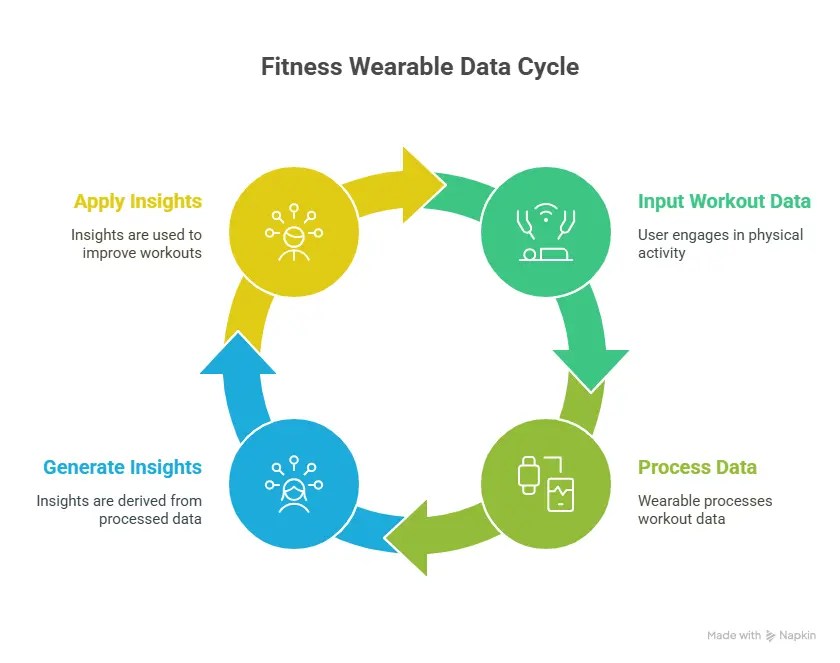
Modern boxing training is increasingly influenced by technology. Wearable devices and performance tracking tools provide insights into heart rate, calorie burn, and recovery levels. These metrics allow individuals to train smarter rather than harder.

In advanced high-intensity boxing training, data helps identify strengths and weaknesses. For example, tracking heart rate variability can indicate whether the body is ready for intense training or needs recovery.


 Enhancing Engagement Through Digital Platforms

Digital platforms also play a role in maintaining engagement. From booking classes to tracking progress, technology simplifies the user experience. This integration supports consistency, which remains the most important factor in achieving results.

Spartans Boxing Club incorporates these tools into its ecosystem, ensuring that members have access to resources that enhance their training journey both inside and outside the gym.

 Building a Strong Community Around Fitness

 Why Community Drives Results

One of the most powerful aspects of a boxing gym near me search is the desire for connection. People are not just looking for a place to work out they are looking for an environment that motivates and supports them.

At Spartans Boxing Club, community is a core pillar. Training alongside others creates accountability and fosters a sense of belonging. This social dynamic makes it easier to stay committed, even during challenging periods.

The impact of community-driven fitness is evident in the Spartans community platform, where members share progress, celebrate achievements, and support one another.

 The Psychological Benefits of Group Training

Training in a group setting enhances motivation and performance. The shared energy of a class pushes individuals to work harder than they might on their own. This creates a positive feedback loop where effort leads to results, and results reinforce commitment.

This is particularly important in functional fitness boxing, where intensity and engagement are key to success. The combination of physical effort and social interaction creates a unique training experience that is both effective and enjoyable.

 Long-Term Progression and Goal Setting

 Setting Realistic and Achievable Goals

Long-term success in a boxing weight training workout depends on setting realistic goals. These goals should be specific, measurable, and aligned with individual objectives.

Rather than focusing solely on outcomes like weight loss or muscle gain, it is important to consider performance-based goals. Improving endurance, refining technique, and increasing strength are all indicators of progress.

 Tracking and Adjusting Your Training

Progress is not always linear. There will be periods of rapid improvement as well as plateaus. The key is to remain adaptable and adjust training accordingly.

This is where structured programs, like those offered at Spartans Boxing Club, provide significant value. Coaches guide members through each stage, ensuring that training remains effective and aligned with goals.

 Recovery, Longevity, and Injury-Free Training

 Making Recovery Part of the Process

Recovery is not a passive activity it is an active part of training. Without proper recovery, the benefits of a boxing weight training workout cannot be fully realized.

This includes adequate sleep, proper nutrition, and active recovery techniques such as stretching and mobility work. According to the Mayo Clinic, recovery plays a crucial role in preventing injuries and maintaining long-term health.

 Training Smart for Long-Term Success

Longevity in fitness requires a balanced approach. Pushing too hard without allowing the body to recover can lead to burnout or injury. On the other hand, insufficient intensity can limit progress.

The key is finding the right balance, which is a core principle at Spartans Boxing Club. By combining structured programming with personalized guidance, members can train effectively while minimizing risk.

 Why Spartans Boxing Club Is the Ideal Training Environment

 A System Built for Every Level

Spartans Boxing Club is designed to accommodate individuals at every stage of their fitness journey. From beginner boxing classes to advanced performance training, the system provides a clear path for progression.

This structured approach ensures that members are always challenged but never overwhelmed. It creates an environment where growth is continuous and sustainable.

 Turning Boxing Training Into a Sustainable Lifestyle

As the journey progresses, a boxing weight training workout evolves from a structured routine into a sustainable lifestyle. This transition is where long-term results are truly built. Instead of chasing short-term goals, individuals begin focusing on consistency, adaptability, and enjoyment three factors that define lasting success.

At Spartans Boxing Club, this shift is intentional. Training is designed not only to deliver results but also to fit seamlessly into everyday life. This is particularly important in today’s fast-paced environments, where maintaining consistency can be challenging. By creating flexible yet structured programs, Spartans Boxing Club ensures that members can continue progressing without feeling overwhelmed.

 Adapting Boxing Workouts to Different Lifestyles

 Training for Busy Professionals

One of the biggest barriers to fitness is time. Many individuals struggle to maintain a routine due to demanding schedules. This is where the efficiency of a full-body boxing workout becomes invaluable.

By combining strength, cardio, and skill development into a single session, boxing eliminates the need for multiple workouts. A well-designed class can deliver maximum results in minimal time, making it ideal for professionals balancing work and personal commitments.

This approach aligns with the philosophy outlined in the Spartans “Future Ready Gyms” concept, where efficiency and innovation are central to modern training environments.

 Training for Weight Loss and Transformation

For many, the primary goal of starting a boxing fitness program is weight loss. Boxing offers a unique advantage in this area because it combines high calorie burn with muscle engagement.

A typical boxing for weight loss session can burn between 500 and 800 calories, depending on intensity. More importantly, it builds lean muscle, which increases metabolic rate over time. This creates a sustainable cycle of fat loss and energy improvement.

Unlike traditional cardio, boxing keeps the mind engaged. This reduces boredom and increases adherence, which is often the missing piece in weight loss journeys.

 Training for Performance and Competition

For those seeking higher levels of performance, training becomes more specialized. Advanced athletes focus on refining technique, improving reaction time, and maximizing efficiency in movement.

This is where boxing endurance training and strength integration reach their peak. Sessions are tailored to simulate real fight conditions, combining intensity with precision. Spartans Boxing Club supports this progression through structured programs such as white-collar boxing, which prepares individuals for real competitive experiences in a controlled environment.

 The Role of Technology in Modern Boxing Training

 Data-Driven Performance Tracking

Modern boxing training is increasingly influenced by technology. Wearable devices and performance tracking tools provide insights into heart rate, calorie burn, and recovery levels. These metrics allow individuals to train smarter rather than harder.

In advanced high-intensity boxing training, data helps identify strengths and weaknesses. For example, tracking heart rate variability can indicate whether the body is ready for intense training or needs recovery.


 Enhancing Engagement Through Digital Platforms

Digital platforms also play a role in maintaining engagement. From booking classes to tracking progress, technology simplifies the user experience. This integration supports consistency, which remains the most important factor in achieving results.

Spartans Boxing Club incorporates these tools into its ecosystem, ensuring that members have access to resources that enhance their training journey both inside and outside the gym.

 Building a Strong Community Around Fitness

 Why Community Drives Results

One of the most powerful aspects of a boxing gym near me is the desire for connection. People are not just looking for a place to work out they are looking for an environment that motivates and supports them.

At Spartans Boxing Club, community is a core pillar. Training alongside others creates accountability and fosters a sense of belonging. This social dynamic makes it easier to stay committed, even during challenging periods.

The impact of community-driven fitness is evident in the Spartans community platform, where members share progress, celebrate achievements, and support one another.

 The Psychological Benefits of Group Training

Training in a group setting enhances motivation and performance. The shared energy of a class pushes individuals to work harder than they might on their own. This creates a positive feedback loop where effort leads to results, and results reinforce commitment.

This is particularly important in functional fitness boxing, where intensity and engagement are key to success. The combination of physical effort and social interaction creates a unique training experience that is both effective and enjoyable.

 Long-Term Progression and Goal Setting

 Setting Realistic and Achievable Goals

Long-term success in a boxing weight training workout depends on setting realistic goals. These goals should be specific, measurable, and aligned with individual objectives.

Rather than focusing solely on outcomes like weight loss or muscle gain, it is important to consider performance-based goals. Improving endurance, refining technique, and increasing strength are all indicators of progress.

 Tracking and Adjusting Your Training

Progress is not always linear. There will be periods of rapid improvement as well as plateaus. The key is to remain adaptable and adjust training accordingly.

This is where structured programs, like those offered at Spartans Boxing Club, provide significant value. Coaches guide members through each stage, ensuring that training remains effective and aligned with goals.

 Recovery, Longevity, and Injury-Free Training

 Making Recovery Part of the Process

Recovery is not a passive activity it is an active part of training. Without proper recovery, the benefits of a boxing weight training workout cannot be fully realized.

This includes adequate sleep, proper nutrition, and active recovery techniques such as stretching and mobility work. According to the Mayo Clinic, recovery plays a crucial role in preventing injuries and maintaining long-term health.

 Training Smart for Long-Term Success

Longevity in fitness requires a balanced approach. Pushing too hard without allowing the body to recover can lead to burnout or injury. On the other hand, insufficient intensity can limit progress.

The key is finding the right balance, which is a core principle at Spartans Boxing Club. By combining structured programming with personalized guidance, members can train effectively while minimizing risk.

 Why Spartans Boxing Club Is the Ideal Training Environment

 A System Built for Every Level

Spartans Boxing Club is designed to accommodate individuals at every stage of their fitness journey. From beginner boxing classes to advanced performance training, the system provides a clear path for progression.

This structured approach ensures that members are always challenged but never overwhelmed. It creates an environment where growth is continuous and sustainable.

 A Global Standard of Excellence

With locations across multiple regions, Spartans Boxing Club represents a global standard in boxing fitness. Each facility combines expert coaching, modern equipment, and a strong community culture.

This consistency ensures that members receive the same high-quality experience regardless of location, reinforcing the brand’s commitment to excellence.

 Final Thoughts on Boxing Weight Training Workouts

A boxing weight training workout is more than just a fitness trend it is a comprehensive system that combines strength, conditioning, and skill into one powerful approach. It delivers physical results while also building mental resilience and confidence.

From beginners seeking a new way to get fit to advanced athletes pursuing peak performance, this method offers something for everyone. Its adaptability, efficiency, and effectiveness make it one of the most complete training systems available today.

At Spartans Boxing Club, this philosophy is brought to life through structured programs, expert coaching, and a supportive community. The result is not just improved fitness, but a transformation in how individuals approach health and performance.

The journey does not end with a single workout or even a single program. It continues as a lifestyle one that challenges, motivates, and evolves over time. And for those ready to take the first step, there has never been a better time to start.


With locations across multiple regions, Spartans Boxing Club represents a global standard in boxing fitness. Each facility combines expert coaching, modern equipment, and a strong community culture.

This consistency ensures that members receive the same high-quality experience regardless of location, reinforcing the brand’s commitment to excellence.

 Final Thoughts on Boxing Weight Training Workouts

A boxing weight training workout is more than just a fitness trend it is a comprehensive system that combines strength, conditioning, and skill into one powerful approach. It delivers physical results while also building mental resilience and confidence.

From beginners seeking a new way to get fit to advanced athletes pursuing peak performance, this method offers something for everyone. Its adaptability, efficiency, and effectiveness make it one of the most complete training systems available today.

At Spartans Boxing Club, this philosophy is brought to life through structured programs, expert coaching, and a supportive community. The result is not just improved fitness, but a transformation in how individuals approach health and performance.

The journey does not end with a single workout or even a single program. It continues as a lifestyle one that challenges, motivates, and evolves over time. And for those ready to take the first step, there has never been a better time to start.

Fitness Franchises

Fitness Franchises: Why They Are Reshaping the Global Fitness Industry

By Fitness

Understanding the Business, the Demand, and the Opportunity

Fitness franchises have quietly become one of the most resilient business models in the global wellness economy. As consumer priorities shift toward health, structure, and community-driven training, franchised fitness brands are benefiting from repeatable systems, recognizable identities, and predictable demand. From major urban centers to emerging cities, the appeal lies not just in fitness itself, but in the reliability of a proven operational framework.

For investors and operators evaluating long-term opportunities, fitness franchises represent a balance between passion-driven work and disciplined business execution. This is especially true in markets like Singapore, Dubai, Australia, the Philippines, and Cambodia, where gym demand continues to grow alongside urban density and lifestyle changes. The conversation has moved beyond “opening a gym” toward building scalable gym operations that can perform consistently across regions.

What Defines Fitness Franchises in Today’s Market

At their core, fitness franchises are structured business systems designed to replicate a successful gym concept across multiple locations. Unlike independent gyms, franchises operate under established branding, standardized training methods, and centralized operational support. This structure reduces guesswork for new owners while ensuring consistency for members.

What separates modern fitness franchises from earlier gym models is specialization. Instead of generic weight rooms, today’s brands focus on clearly defined training philosophies such as boxing gym franchises, HIIT studios, or combat sports fitness communities. These concepts allow brands to speak directly to specific audiences rather than trying to serve everyone at once.

The result is a branded fitness concept that feels intentional, community-oriented, and easier to market. For franchisees, this clarity supports faster launch timelines, more focused messaging, and stronger local positioning from day one.

Why Demand for Fitness Franchises Keeps Growing

The growth of fitness franchises is directly tied to behavioral changes in how people approach health. Consumers are no longer motivated by access alone; they want coaching, structure, accountability, and a sense of belonging. Group-based environments such as group fitness training and coached boxing sessions deliver all four.

From a business perspective, this shift creates reliable recurring revenue. Membership-based models thrive when routines are habitual, social, and guided. Franchises that combine strength and conditioning programs with skill-based training benefit from higher retention and longer member lifecycles.

This demand is particularly strong in urban environments where time efficiency matters. Cities like Singapore and Dubai value gyms that provide structured sessions within fixed time blocks, making fitness franchises a natural fit for modern schedules.

The Fitness Business Model Behind Franchising Success

A strong fitness business model relies on predictability. Franchises succeed because they standardize the variables that most often cause independent gyms to fail. Pricing, class formats, staffing ratios, and marketing strategies are all tested before expansion begins.

This predictability appeals to investors evaluating gym franchise investment opportunities. Revenue streams are diversified across memberships, personal training, specialty programs, and community events. Costs are also more controlled due to shared vendor relationships and centralized purchasing.

In markets with rising rents, scalable gym operations become even more important. Brands that optimize layout, class capacity, and scheduling can maintain profitability without relying on massive floor space. This is one reason boutique boxing and combat-focused franchises continue to outperform traditional gyms in dense cities.

Why Boxing Gym Franchises Are Gaining Ground

Boxing gym franchises occupy a unique position within the fitness franchise landscape. They combine high-intensity physical training with skill acquisition, creating a sense of progression that keeps members engaged. Unlike repetitive workout formats, boxing naturally evolves as members improve.

From a branding standpoint, boxing carries emotional weight. It signals discipline, confidence, and resilience. This identity supports strong storytelling, which plays a key role in member retention strategies. When members feel part of something challenging and purposeful, churn decreases.

Spartans Boxing Club is a clear example of how this model translates globally. With locations across Asia, Australia, and the Middle East, the brand demonstrates how a combat sports fitness concept can scale without losing its community focus. Its expansion strategy, outlined in the official Spartans Boxing Club franchise prospectus, shows how structure and culture can coexist.

Regional Momentum in Global Fitness Franchising

Different regions present different opportunities, but the underlying drivers remain consistent. In Australia, fitness franchises benefit from a mature wellness culture and strong consumer spending on health. Singapore’s dense population and tech-forward mindset favor efficient, experience-driven gyms.

Dubai offers a premium fitness market where branded fitness concepts thrive in high-visibility locations. Meanwhile, emerging markets such as the Philippines and Cambodia provide lower entry costs and less competition, making them attractive for first-time franchisees.

Authoritative industry platforms like Top Franchise and global operators such as Anytime Fitness consistently highlight fitness franchises as one of the most resilient categories across economic cycles. These insights reinforce why investors continue to prioritize wellness-based opportunities.

Community as a Competitive Advantage

One of the most underestimated strengths of fitness franchises is community-building. Successful franchises design their operations around human connection, not just workouts. From onboarding processes to in-gym events, every touchpoint reinforces belonging.

This focus directly impacts member retention strategies. Members who feel recognized, coached, and supported are far less likely to cancel. Boxing-focused franchises, in particular, benefit from shared challenges and visible progress, which naturally foster camaraderie.

Spartans Boxing Club emphasizes this approach through its broader ecosystem, including initiatives like Spartans Mind and its active community platform. These extensions deepen engagement beyond physical training, strengthening the brand’s long-term value.

Technology’s Role in Scalable Fitness Operations

Modern fitness franchises rely heavily on technology to maintain consistency across locations. Centralized booking systems, performance tracking, and CRM platforms allow franchisors to monitor operations in real time while supporting franchisees remotely.

Technology also supports marketing automation and data-driven decision-making. Brands can analyze class attendance, retention trends, and campaign performance across regions, refining their approach continuously. This level of insight is difficult for independent gyms to achieve at scale.

Setting the Stage for Investment Decisions

Understanding what fitness franchises are and why they perform well is only the first step. The next layer involves financial commitment, operational expectations, and brand alignment. Prospective franchisees often ask about startup costs, ROI timelines, and the level of support provided by franchisors.

These questions become even more important when comparing different regions and concepts. Not every franchise opportunity is suitable for every market or operator profile. Evaluating fit requires clarity on both business goals and personal involvement preferences.

Costs, Profitability, and What Investors Should Expect

After understanding why fitness franchises continue to grow globally, the next logical question is practical rather than conceptual. Investors want to know what it actually costs to enter this space, how long returns take, and whether the numbers hold up beyond optimistic sales decks. This is where fitness franchises either prove their maturity or reveal structural weaknesses.

In this section, the focus shifts to startup costs, revenue dynamics, and the realities of running a gym franchise investment in competitive and emerging markets alike. The goal is clarity, not hype, because sustainable franchise growth depends on informed operators.

Understanding Startup Costs in Fitness Franchises

Startup costs for fitness franchises vary widely depending on brand positioning, market maturity, and location strategy. On average, initial investments globally fall between USD 150,000 and USD 500,000. This range typically includes the franchise fee, location build-out, equipment, pre-opening marketing, and working capital.

Premium markets such as Dubai sit at the higher end due to real estate costs and fit-out expectations. In contrast, Southeast Asian markets like the Philippines and Cambodia offer more accessible entry points, often below USD 200,000. These lower barriers make them attractive for first-time franchise owners or regional developers exploring multi-unit growth.

Authoritative franchise platforms such as Plus Fitness Asia provide transparency around cost structures, reinforcing the importance of financial planning before committing to a brand.

The Role of Franchise Fees and Ongoing Royalties

Franchise fees typically range from USD 25,000 to USD 50,000 and grant access to branding, systems, and initial training. While this upfront cost often draws attention, ongoing royalties have a greater long-term impact on profitability. Most fitness franchises operate within a 6 to 8 percent royalty structure, sometimes paired with a marketing contribution.

These fees fund continuous support, brand marketing, and system upgrades. In well-run franchising systems, royalties should feel less like a cost and more like an operational insurance policy. When franchisors reinvest effectively, franchisees benefit from shared innovation and centralized expertise.

Brands that struggle to articulate how royalties translate into value often face higher franchisee churn. This is why evaluating franchisor transparency is just as important as reviewing financial projections.

Profitability and the Path to Break-Even

Profitability in fitness franchises is driven by recurring revenue and operational discipline. Most well-positioned franchises target break-even within 12 to 24 months, assuming steady membership growth and controlled expenses. Benchmarks commonly reference 500 active members as a tipping point for stable monthly cash flow.

Margins typically stabilize between 15 and 25 percent after the first year, depending on rent, staffing efficiency, and class utilization. Boxing gym franchises and group-based training concepts often outperform due to higher engagement and longer member retention cycles.

Profitability and the Path to Break-Even

High-growth cities like Singapore and Dubai may reach profitability faster due to pricing power, while emerging markets offer longer-term upside through lower competition and expansion potential.

Market-Specific Financial Considerations

Each market introduces unique financial variables that influence return on investment. In Australia, labor costs are higher, but consumer willingness to pay supports premium pricing. Singapore’s compact geography allows for efficient marketing and high utilization rates, offsetting real estate expenses.

Dubai presents a dual reality. Premium locations demand higher upfront investment, but brand-driven fitness franchises benefit from strong demand and lifestyle alignment. Emerging markets like Cambodia offer cost advantages, though operators must invest more in education and community-building during early stages.

Resources such as Anytime Fitness’s international franchise territories highlight how regional economics shape franchise strategy. Successful operators adapt the core fitness business model without diluting brand standards.

What Franchisors Typically Provide

One of the strongest arguments for choosing fitness franchises over independent gyms is the depth of operational support. Established franchisors provide site selection guidance, layout optimization, pre-opening training, and launch marketing frameworks. This reduces early-stage risk significantly.

Ongoing support often includes performance benchmarking, marketing playbooks, and operational audits. Brands with strong systems also offer centralized technology platforms for scheduling, payments, and member engagement. These tools enable scalable gym operations without requiring franchisees to build systems from scratch.

Spartans Boxing Club emphasizes this end-to-end support model through its structured onboarding and continuous coaching approach, detailed within its boxing franchise overview. This alignment between franchisor and franchisee is critical for long-term success.

Staffing, Training, and Operational Reality

Beyond financials, day-to-day execution determines whether projections become reality. Fitness franchises depend heavily on coach quality, consistency, and culture. Franchisors typically provide standardized training programs to ensure that class delivery and member experience remain consistent across locations.

Strength and conditioning programs, especially in combat sports fitness environments, require technical precision. This makes structured training non-negotiable. Franchise systems that invest in coach development see stronger retention and better word-of-mouth growth.

Operational discipline also extends to scheduling, class capacity management, and community engagement. These elements, while less visible than branding, directly affect profitability.

Managing Risk Through Brand and Community

Risk mitigation in fitness franchises comes from brand trust and community loyalty. Established brands enter new markets with credibility, reducing the time required to build awareness. This advantage is especially valuable in competitive cities where independent gyms struggle to stand out.

Community-focused brands benefit from organic growth driven by referrals rather than constant paid advertising. This lowers acquisition costs over time and stabilizes revenue. Member retention strategies rooted in coaching relationships and progress tracking consistently outperform discount-driven models.

Platforms like the Spartans Boxing Club newsroom and community hub demonstrate how storytelling and transparency strengthen brand equity, even across borders.

Preparing for Long-Term Scale

Fitness franchises are rarely one-location plays for experienced investors. Many franchisors actively seek multi-unit operators who can scale within a territory. This approach increases returns while spreading fixed costs across locations.

However, scaling successfully requires operational maturity and capital planning. Systems that work at one location must translate seamlessly to five or ten. This is where franchisor support and standardized processes become invaluable.

As investors move from curiosity to commitment, the next set of questions becomes strategic rather than financial. Which brands align best with specific markets? How does one evaluate long-term brand sustainability and differentiation?

Choosing the Right Franchise and Building for the Future

By this stage, most prospective franchisees understand the mechanics of fitness franchises and the financial realities behind them. What ultimately separates successful operators from struggling ones is not cost alone, but brand alignment and long-term vision. Selecting the right franchise is less about chasing trends and more about choosing a system that can evolve with changing consumer expectations.

How to Evaluate Fitness Franchise Opportunities

Evaluating franchise opportunities requires looking beyond surface-level metrics. Strong fitness franchises demonstrate consistency across markets, not just isolated success stories. This consistency is reflected in operational systems, brand clarity, and the ability to adapt without losing identity.

Investors should pay close attention to how a brand supports franchisees after launch. Initial excitement fades quickly if ongoing coaching, marketing guidance, and performance reviews are weak. The most successful franchisors treat franchisees as long-term partners rather than short-term licensees.

Brand Differentiation in a Crowded Market

As fitness franchises multiply, differentiation becomes essential. Generic gym concepts struggle to stand out, especially in urban markets saturated with options. Brands that succeed articulate a clear identity, a defined training philosophy, and a strong emotional hook.

Boxing gym franchises naturally benefit from this differentiation. Combat sports fitness carries a narrative of discipline, progression, and empowerment that resonates across cultures. When paired with structured group fitness training and community-driven experiences, the brand becomes more than a place to work out.

Spartans Boxing Club exemplifies this approach by positioning itself not only as a gym, but as a performance and mindset-driven community. Its broader ecosystem, including initiatives like Spartans Boxing Academy and Spartans Mind, reinforces this differentiation at every touchpoint.

Regional Strategy and Market Fit

Not all fitness franchises perform equally in every region. Successful expansion depends on understanding cultural expectations, pricing sensitivity, and lifestyle patterns. In Singapore, efficiency and quality drive decision-making. In Dubai, brand prestige and experience play a larger role.

Emerging markets such as the Philippines and Cambodia require a different approach. Education, accessibility, and community-building are critical during early growth stages. Franchises that enter these markets with patience and localized strategies often secure first-mover advantages.

Brands that acknowledge these differences and empower franchisees to adapt within a structured framework are more likely to scale successfully.

Building Member Loyalty for Long-Term Stability

Long-term success in fitness franchises depends heavily on member retention strategies. Acquisition may fill classes initially, but loyalty sustains revenue. Franchises that prioritize coaching quality, progress tracking, and community engagement consistently outperform those focused solely on promotions.

Strength and conditioning programs that evolve with member ability levels keep training fresh and challenging. Regular assessments, skill milestones, and visible progress reinforce commitment. Boxing-focused franchises benefit from this naturally, as skill development is built into the experience.

Spartans Boxing Club reinforces loyalty through consistent programming and community initiatives highlighted across its blog and newsroom. These channels not only educate members but also strengthen emotional connection to the brand.

Technology and the Future of Fitness Franchising

Technology continues to redefine how fitness franchises operate and scale. From centralized booking systems to performance analytics, digital infrastructure allows franchisors to maintain consistency while supporting local flexibility. Data-driven insights help optimize schedules, pricing, and marketing across locations.

Future-ready brands invest in platforms that enhance both member experience and operational efficiency. This includes CRM systems, content libraries, and performance dashboards that align franchisor and franchisee goals.

The concept of future-ready gyms, explored in detail on the Spartans future-ready gyms page, reflects how innovation and tradition can coexist. Technology supports growth, but human connection remains the core value driver.

Scaling Without Losing Culture

Scaling is often where fitness franchises face their greatest challenge. Rapid expansion can dilute culture if systems are not designed to protect it. Successful brands codify their values into training, communication, and leadership development.

Multi-unit operators play a key role in preserving culture at scale. When franchisees understand the brand deeply, they become ambassadors rather than operators. This alignment reduces friction and strengthens network-wide performance.

Fitness franchises that prioritize cultural consistency alongside financial performance are better positioned for long-term relevance.

Final Thoughts on Fitness Franchises

Fitness franchises have evolved into sophisticated business ecosystems capable of thriving across diverse markets. Their strength lies in repeatable systems, strong branding, and the ability to adapt to changing consumer expectations. For investors, the opportunity is not just financial, but strategic.

Choosing the right franchise requires alignment with personal goals, market realities, and brand philosophy. Boxing gym franchises and combat sports fitness concepts continue to gain momentum because they deliver structure, progression, and community in equal measure.

Spartans Boxing Club’s global footprint demonstrates how a well-defined fitness business model can scale without losing identity. For those considering entry into this space, the path forward begins with research, clarity, and a commitment to building something sustainable rather than simply opening another gym.


How Does Exercise Affect Our Happiness and Mental Health

How Does Exercise Affect Our Happiness and Mental Health?

By Fitness

Introduction: Why This Question Matters More Than Ever

The question of how does exercise affect our happiness and mental health is no longer just a fitness topic. It has become a public health conversation, especially in fast-paced cities where work pressure, screen time, and sedentary routines are the norm. Mental health challenges are rising globally, and many people are searching for sustainable, practical ways to feel better without relying solely on medication or short-term fixes.

From a behavioural perspective, physical activity has emerged as one of the most consistent predictors of emotional stability. Research highlighted by institutions such as UCLA Health shows that people who exercise regularly report significantly fewer days of poor mental health compared to inactive individuals. This is not about extreme training or elite performance. It is about consistent movement and its effect on the brain, emotions, and daily resilience.

At Spartans Boxing Club, this connection between movement and mindset is not theoretical. It is seen daily in how members walk in stressed and leave clearer, lighter, and more grounded. Understanding why that happens begins with the biology of happiness itself.

The Biological Link Between Exercise and Happiness

How the Brain Responds to Physical Activity

When the body moves, the brain responds almost immediately. Exercise triggers the release of neurotransmitters that regulate mood, motivation, and emotional balance. Among the most well-known are endorphins, dopamine, and serotonin, all of which play a direct role in the exercise and happiness connection.

Endorphins, often referred to as the body’s natural painkillers, increase feelings of pleasure and reduce discomfort. According to findings summarized by the British Medical Journal, this chemical response helps explain why exercise is increasingly recommended as a frontline support for mild to moderate depression. The relationship between endorphins and mental health is not fleeting. With regular activity, the brain becomes more efficient at producing and regulating these chemicals.

This is where how exercise improves mental wellbeing becomes especially relevant. Over time, physical activity supports neuroplasticity, meaning the brain’s ability to adapt, grow, and form healthier response patterns. This creates a foundation for emotional resilience rather than temporary relief.

Stress Hormones and Emotional Regulation

Exercise does not only increase positive chemicals. It also reduces stress hormones such as cortisol and adrenaline. Chronic stress keeps these hormones elevated, which can lead to anxiety, irritability, and emotional exhaustion. Regular physical activity teaches the nervous system how to return to baseline more efficiently after stress.

This is why physical activity and mood are so closely linked. A workout acts as a controlled stressor, allowing the body to practice recovery. Over time, this improves emotional regulation both inside and outside the gym. The result is not constant happiness, but greater emotional balance and control.

Exercise as a Natural Tool for Depression Support

Why Movement Rivals Traditional Interventions

Multiple large-scale studies now show that exercise for anxiety and depression can produce effects comparable to traditional treatments, particularly for mild to moderate cases.

What makes this particularly compelling is accessibility. Unlike many interventions, exercise does not require a prescription, long wait times, or significant financial investment. It also comes with added physical health benefits, creating a positive feedback loop that reinforces consistency.

At Spartans Boxing Club, boxing-based training adds another layer to this effect. The combination of physical exertion, skill acquisition, and focus creates a strong sense of agency. That sense of progress is a critical psychological factor in recovery and long-term emotional stability.

The Role of Routine and Identity

Depression often disrupts daily structure and self-perception. Regular training rebuilds both. Showing up to scheduled sessions, tracking improvement, and being part of a fitness community helps restore routine and identity. This is a key aspect of mental health through physical activity that is often overlooked.

According to Better Health Victoria, people who maintain consistent physical activity report improved self-esteem and a stronger sense of purpose. These psychological effects of regular exercise are cumulative and become more pronounced over time.

Anxiety, Stress, and the Power of Controlled Intensity

Why Exercise Calms an Overactive Mind

Anxiety is often driven by excessive mental stimulation and anticipatory thinking. Physical activity shifts attention from abstract worries to tangible physical sensations. Breathing, movement, and coordination anchor the mind in the present moment.

Studies referenced by HelpGuide show that moderate to vigorous exercise several times per week significantly reduces anxiety symptoms. This makes exercise for stress relief one of the most reliable tools available, particularly when combined with structured routines.

Boxing training amplifies this effect through intensity and focus. Hitting pads or bags requires full mental engagement, leaving little room for rumination. Over time, this trains the brain to disengage from anxious loops more easily.

Self-Efficacy and Emotional Confidence

Beyond chemistry, exercise builds confidence through mastery. Learning new skills, improving stamina, and overcoming physical challenges strengthen self-efficacy. This belief in one’s ability to cope directly impacts anxiety levels.

Fitness and emotional wellbeing are deeply intertwined here. When individuals trust their physical capability, they often feel more capable emotionally as well. This confidence transfers into work, relationships, and daily stress management.

Why Group Training Multiplies Mental Health Benefits

Social Connection as a Psychological Multiplier

Human connection is a core driver of mental health. Group training environments provide accountability, shared goals, and social interaction without pressure. This is particularly valuable in urban settings where isolation is common despite high population density.

Research published in Frontiers in Public Health highlights that social exercise environments enhance adherence and amplify mood-related benefits. People are more likely to stay consistent when they feel seen and supported.

Spartans Boxing Club integrates this principle through community-driven training, which aligns closely with the philosophy behind the Spartans Mind approach. Mental strength is developed alongside physical strength, not as an afterthought.

Belonging Without Pressure

Unlike purely competitive sports, boxing fitness allows individuals to train at their own level while still being part of a collective. This balance reduces performance anxiety and supports long-term engagement. It also reinforces the idea that mental health benefits of exercise are not dependent on being the best, but on being consistent.

How Exercise Builds Long-Term Mental Health Resilience

Exercise as Preventive Mental Healthcare

While the immediate mood boost after a workout is noticeable, the real transformation happens quietly over time. When physical activity becomes part of a weekly routine, it starts functioning as preventive mental healthcare rather than a short-term coping tool. This is where the question of how does exercise affect our happiness and mental health moves beyond relief and into protection.

Longitudinal studies referenced by The Lancet Psychiatry indicate that individuals who maintain regular physical activity show a significantly lower risk of developing future mental health disorders. The reduction is not marginal. Active individuals report up to 40 percent fewer poor mental health days annually compared to inactive peers. This suggests that mental health through physical activity works proactively, strengthening emotional systems before they break down.

Over time, exercise conditions the brain to manage stress more efficiently. Instead of reacting intensely to pressure, the nervous system becomes better at absorbing and releasing tension. This gradual adaptation explains why consistent movers often describe feeling more emotionally steady, even during demanding periods of life.

Neuroplasticity and Emotional Adaptability

One of the most powerful long-term effects of exercise lies in its impact on neuroplasticity. Physical activity stimulates the production of brain-derived neurotrophic factor, commonly known as BDNF. This protein supports the growth and repair of neurons, directly influencing learning, memory, and emotional regulation.

Research highlighted by UCLA Health shows that higher BDNF levels are associated with lower rates of depression and cognitive decline. This is a key reason why how exercise improves mental wellbeing cannot be separated from brain health itself. Exercise does not just distract from negative thoughts. It physically reshapes the brain’s capacity to respond to them.

For adults navigating fast-paced careers or life transitions, this adaptability becomes crucial. Instead of feeling mentally rigid or overwhelmed, individuals develop greater emotional flexibility. They recover faster from setbacks and maintain perspective under pressure.

Neuroplasticity and Emotional Adaptability

Neuroplasticity and Emotional Adaptability

Exercise, Sleep, and Emotional Stability

The Overlooked Connection Between Movement and Rest

Sleep quality is one of the strongest predictors of mental health, yet it is often addressed separately from exercise. In reality, the two are deeply connected. Regular physical activity improves sleep onset, duration, and depth, all of which directly affect emotional regulation.

This relationship reinforces the psychological effects of regular exercise. Better sleep enhances concentration, emotional patience, and decision-making, creating a reinforcing cycle where movement supports rest, and rest supports mental clarity.

Why Consistency Matters More Than Intensity

A common misconception is that only intense training delivers mental health benefits. In reality, consistency has a greater long-term impact than occasional high effort. Moderate, repeatable activity sends steady signals to the nervous system, teaching it reliability and rhythm.

This is especially relevant for individuals managing anxiety or burnout. High-intensity sessions can be beneficial, but only when balanced with recovery and routine. Boxing-based fitness, when structured properly, offers this balance by combining controlled intensity with skill-based focus.

At Spartans Boxing Club, programs are designed to support sustainable training habits rather than extremes. This approach aligns with the growing understanding that fitness and emotional wellbeing depend on patterns, not peaks.

Cognitive Benefits and Mental Clarity

Exercise and Executive Function

Beyond mood, exercise plays a critical role in cognitive performance. Regular physical activity improves executive function, which includes planning, focus, impulse control, and emotional regulation. These skills are foundational to both professional performance and personal wellbeing.

Studies published on PubMed Central highlight that exercise enhances prefrontal cortex activity, the area of the brain responsible for rational thinking and emotional control. This helps explain why people often report clearer thinking and better decision-making after adopting a fitness routine.

This cognitive clarity contributes to the exercise and happiness connection in a subtle but meaningful way. When individuals feel mentally sharp and in control, their overall life satisfaction increases. Stressors feel more manageable, and challenges are approached with greater confidence.

Reducing Cognitive Fatigue in High-Demand Environments

In urban and corporate settings, cognitive fatigue is a growing issue. Long hours, constant notifications, and high expectations drain mental energy. Exercise provides a reset by redirecting mental effort into physical action, allowing the brain to recover from sustained cognitive load.

This is particularly evident in environments where boxing fitness is used as an outlet. The structured demand of training channels mental energy productively, reducing mental clutter. Over time, this leads to improved focus both inside and outside the gym.

Exercise Across Life Stages and Mental Health Needs

Supporting Mental Health in Early Adulthood

Young adults face unique mental health challenges, including identity formation, career pressure, and social comparison. Exercise provides structure during a period often marked by uncertainty. It also offers a sense of progress that is measurable and personal.

Research referenced by HelpGuide shows that physical activity during early adulthood is associated with lower rates of anxiety and depression later in life. This positions exercise not only as a current support, but as an investment in future mental resilience.

Training environments that emphasize growth rather than competition are particularly effective. Boxing fitness, when framed around skill development and self-improvement, supports confidence without unnecessary pressure.

Maintaining Emotional Balance in Midlife

Midlife often brings compounded stress from career demands, family responsibilities, and health concerns. Exercise acts as a stabilizing anchor during this stage, offering predictability and personal time in otherwise crowded schedules.

The mental health benefits of exercise become especially pronounced here. Regular training improves stress tolerance, sleep quality, and emotional patience, all of which are critical during periods of high responsibility. This is where exercise transitions from optional to essential for long-term wellbeing.

Community-based fitness also becomes more valuable. Training alongside others fosters connection and reduces isolation, reinforcing the social dimension of mental health through physical activity.

Turning Exercise Into a Sustainable Mental Health Strategy

Choosing the Right Type of Exercise for Emotional Wellbeing

When the goal is mental health rather than aesthetics, the type of exercise matters less than how it fits into daily life. Research consistently shows that enjoyment and consistency are the strongest predictors of long-term impact. This reframes how does exercise affect our happiness and mental health as a lifestyle question, not a performance one.

Cardio-based activities such as walking, cycling, and boxing-inspired training show particularly strong links to improved mood and reduced stress. According to insights summarized by Health & Fitness Association, these activities regulate stress hormones while reinforcing a sense of momentum and accomplishment. Strength training also plays a role by improving body confidence and perceived capability, both of which influence emotional stability.

At Spartans Boxing Club, boxing fitness sits at the intersection of these benefits. It combines cardiovascular effort, strength, coordination, and focus, making it uniquely effective for fitness and emotional wellbeing. More importantly, it offers variety, which prevents mental fatigue and keeps motivation intact.

Choosing the Right Type of Exercise for Emotional Wellbeing

Choosing the Right Type of Exercise for Emotional Wellbeing

Building a Routine That Supports Mental Health, Not Pressure

One of the most common barriers to exercise is the belief that it must be time-consuming or intense to be effective. This mindset often leads to inconsistency and guilt, which undermines the very mental health benefits people are seeking. Sustainable routines prioritize realism over perfection.

Evidence from Better Health Victoria emphasizes that even moderate activity performed consistently delivers measurable improvements in mood and stress resilience. Short sessions done regularly are more impactful than sporadic bursts of high effort. This aligns closely with the psychological effects of regular exercise, which depend on repetition and predictability.

Fitness environments that support this approach reduce mental friction. Structured class schedules, clear progression paths, and supportive coaching help individuals stay engaged without feeling overwhelmed. This is why community-based gyms play a meaningful role in long-term mental health through physical activity.

Overcoming Motivation Gaps Without Burnout

Motivation is often misunderstood as a prerequisite for action, when in reality it is usually a result of it. Many people wait to feel motivated before exercising, especially when mental health is already strained. The more reliable approach is to lower the activation energy required to start.

Studies discussed by HelpGuide suggest that committing to structured environments increases adherence, particularly for individuals managing anxiety or low mood. Scheduled sessions remove decision fatigue, making exercise a default rather than a daily choice.

Boxing fitness is especially effective here because it offers clear structure and immediate feedback. The act of training becomes self-reinforcing as progress is felt physically and mentally. Over time, this strengthens the exercise and happiness connection without relying on fluctuating motivation.

The Role of Community in Mental Health Progress

Why Training Alone Is Not Always Enough

While solo exercise has benefits, social connection amplifies emotional outcomes. Humans are wired for shared experience, and group training environments provide a sense of belonging that directly supports mental health. This is particularly relevant in urban settings where isolation can exist despite constant social exposure.

Research highlighted in Frontiers in Public Health confirms that social exercise settings improve consistency and satisfaction. Shared effort reduces self-consciousness and normalizes struggle, which is essential for individuals navigating stress or anxiety.

Spartans Boxing Club integrates this philosophy through its emphasis on community, as reflected in initiatives like the Spartans Community platform. Mental strength is developed collectively, reinforcing the idea that wellbeing is not a solo pursuit.

Accountability Without Judgment

One of the key psychological benefits of group training is accountability without pressure. Showing up becomes easier when others expect presence, but performance is not scrutinized. This balance encourages consistency while protecting emotional safety.

In boxing fitness environments, this dynamic is particularly powerful. Everyone is focused on their own improvement, creating a shared atmosphere of effort rather than comparison. This supports both exercise for stress relief and long-term emotional confidence.

Exercise as a Complement, Not a Replacement

Integrating Movement With Other Mental Health Supports

It is important to frame exercise as a powerful complement to other mental health strategies, not a universal replacement. Therapy, medication, and lifestyle changes each play a role depending on individual needs. What exercise offers is a foundation that enhances the effectiveness of these supports.

According to evidence summarized in The BMJ, combining physical activity with traditional interventions leads to better outcomes than either approach alone. Exercise improves sleep, emotional regulation, and self-efficacy, all of which strengthen therapeutic progress.

This integrated perspective aligns with how Spartans Boxing Club approaches mental fitness through initiatives like Spartans Mind. Physical training is positioned as one part of a broader wellbeing ecosystem, not a standalone solution.

Personalization and Professional Guidance

Mental health responses to exercise vary, which makes personalization essential. Factors such as intensity, frequency, and type of activity should align with individual capacity and goals. Professional guidance ensures that exercise supports wellbeing rather than becoming another source of stress.

This is especially important for those returning to activity after burnout or emotional strain. Gradual progression protects both physical and mental health, reinforcing positive associations with movement.

Conclusion: Why Exercise Remains One of the Most Reliable Tools We Have

So, how does exercise affect our happiness and mental health in a lasting way? It works by reshaping brain chemistry, strengthening emotional regulation, improving sleep, and building confidence over time. More importantly, it provides a sense of agency in a world that often feels overwhelming.

Exercise is not about chasing constant happiness. It is about building the capacity to handle life with greater stability and clarity. When approached sustainably and supported by community, its impact extends far beyond the gym.

At Spartans Boxing Club, this philosophy is lived daily. Training is not just about physical strength, but about developing resilience, focus, and emotional balance. In a time where mental health challenges are rising, movement remains one of the most accessible and effective ways to protect and improve wellbeing, one session at a time.

Innovative Fitness

What Is Innovative Fitness and Why It Matters

By Fitness

In an era defined by digital transformation and evolving lifestyles, the concept of innovative fitness has emerged as a response to modern health challenges. At its core, innovative fitness blends technology, advanced methodologies, and personalized programming to create a new generation of workout experiences. This evolution isn’t just about aesthetics or performance—it’s about redefining how we connect with health, community, and longevity.

For countries like Australia, Cambodia, Dubai, Singapore, and the Philippines, this trend is not just catching on—it’s taking root. These regions are home to a growing number of wellness-savvy individuals, tech enthusiasts, and combat sports fans looking for sustainable, effective ways to stay active. From the rise of wearable fitness tech to the fusion of boxing training with digital platforms, the landscape is shifting—and Spartans Boxing Club is at the heart of it.

What Are the Latest Technologies in Innovative Fitness?

Smart Fitness Devices and Wearables

Smart fitness devices have transformed how people engage with their workouts. Tools like the KARA Smart Mirror turn any space into a personal studio, offering real-time feedback, virtual coaching, and goal tracking. Wearables such as WHOOP, Fitbit, and Apple Watch track everything from heart rate and sleep quality to movement patterns, enabling users to optimize their performance and recovery.

This rise in data-driven training is especially evident in markets like Australia and Singapore, where people value metrics and structure in their routines. By integrating wearables into group workout classes, trainers can personalize intensity levels, helping members stay motivated and safe while progressing toward their goals.

Smart Fitness Devices and Wearable

Smart Fitness Devices and Wearable

Electrical Muscle Stimulation (EMS) and EMSculpt Neo

EMS training uses electrical pulses to stimulate muscle contractions, creating strength gains with low impact. Brands like EMSculpt Neo go further, combining radiofrequency and electromagnetic energy for simultaneous fat burning and muscle toning. This approach is gaining popularity in Dubai, where aesthetic outcomes often drive fitness choices.

However, while EMS offers results, it’s not a shortcut. Experts emphasize that these technologies should complement, not replace, functional training or boxing drills. Sustainability still hinges on lifestyle, consistency, and expert coaching—something Spartans prioritizes across all locations.

Blood Flow Restriction (BFR) Training Tools

BFR is a technique that restricts blood flow during low-intensity workouts using specialized cuffs. Originally designed for rehabilitation, it’s now used by athletes and older adults to build strength without placing stress on joints.

Fitness enthusiasts in the Philippines and Cambodia are starting to experiment with BFR, especially as access to strength training equipment improves. Its appeal lies in efficiency: shorter sessions, less load, but measurable results.

Virtual Fitness Platforms

Virtual fitness has exploded post-pandemic, and its momentum continues. Platforms like Peloton, Les Mills+, and Apple Fitness+ allow users across geographies to join high-energy classes from home. In Australia, these tools are now mainstream, while in Cambodia, they’re bridging access gaps where in-person studios are limited.

For Spartans Boxing Club, the challenge—and opportunity—is in combining virtual accessibility with the high-touch, high-energy community experience that boxing training uniquely provides.

How Do Hybrid Training Programs Combine Traditional and Bodyweight Exercises?

Calisthenics and Weight Training Integration

One of the most promising trends in innovative fitness is hybrid programming that merges calisthenics—bodyweight movements like push-ups and pull-ups—with resistance training. This combo maximizes both mobility and muscle development, making it ideal for general fitness or boxing conditioning.

In Australia, communities like FitnessFAQs are popularizing these hybrids. Their approach balances control and strength, teaching athletes to build functional skills that translate well to combat sports, including amateur boxing and professional boxing preparations.

Program Design and Progression

The success of hybrid programs depends on smart structure. Effective routines start with assessing the individual’s goals—whether it’s entering a competition within a boxing weight division or simply building overall strength.

Trainers must consider technique, rest periods, and intensity. Progress tracking tools, often powered by fitness apps, enable athletes in Singapore and Dubai to log improvements and adjust programs accordingly.

What Are the Most Effective Innovative Fitness Workouts for Beginners and Older Adults?

Beginner-Friendly Bodyweight and Hybrid Workouts

Not everyone steps into the gym looking to fight in the ring. Many members at Spartans start with zero experience—some just want to get moving again after years of inactivity. That’s where beginner-focused programs shine.

Initiatives like Begin Bodyweight and Limitless Legs emphasize joint-friendly, bodyweight-based progressions. In Cambodia, these programs are being adapted for community gyms to encourage participation regardless of age or ability.

For boxing newcomers, such programs also provide a base to learn the fundamentals—stance, footwork, and movement—without the intimidation of contact.

Age-Appropriate Training

As the population ages, the demand for safe and adaptive fitness programs grows. Innovative fitness meets this need through tools like low-impact sensors, real-time feedback via wearables, and mobility-focused sessions. These technologies help older adults in the Philippines and Singapore maintain strength, reduce fall risk, and stay engaged socially.

Even better? Programs built around boxing training principles—like shadowboxing and coordination drills—are mentally stimulating, helping improve cognitive function as well as physical capacity.

How Is Fitness Education Evolving with Innovation?

Online and Distance Learning for Fitness Professionals

The rise of online fitness education has made it easier for aspiring trainers to upskill. Organizations like the Australian Institute of Fitness and the Australian Fitness Academy offer structured online certifications, many of which include modules on fitness tech and client engagement.

In Dubai, Singapore, and beyond, personal trainers now use curriculum mapping, learning analytics, and platforms like Google Classroom to collaborate, track progress, and adapt their approaches.

Impact on Fitness Careers in the Region

This educational evolution is reshaping fitness career paths across Spartans’ global footprint. In Australia, certifications are being bundled with business and marketing training. In Cambodia, young trainers use Facebook groups and WhatsApp to share best practices and mentor each other.

This democratization of fitness knowledge—supported by technology—is expanding access and raising standards. And as more trainers get certified in hybrid approaches, the boxing community stands to benefit from better coaching and deeper understanding of principles like the weight class system or boxing rules.

The Challenges and Skepticism Around Innovative Fitness

As fitness innovation grows more advanced, so does the skepticism around its real-world effectiveness. While new tools and technologies promise breakthroughs, not all solutions are created equal. This is especially true in regions where cultural preferences, income levels, and education about health and fitness vary greatly.

In places like Cambodia and parts of the Philippines, for example, there remains a hesitation toward high-tech solutions. Many users are wary of smart devices that promise dramatic results without much effort. The rise of tools like EMSculpt Neo has contributed to this mindset—promoting outcomes that sound too good to be true. Though such tools do have valid applications in physiotherapy and aesthetic enhancement, they risk being misunderstood as shortcuts rather than complements to disciplined training and sound nutrition.

In the world of combat sports, these quick-fix tools rarely stand up to scrutiny. Boxing training, whether for amateur boxing or a competitive boxing championship, requires consistency, endurance, and mental toughness. Technology may enhance those efforts, but it cannot replace them. For Spartans Boxing Club, innovation is welcome—but only when it reinforces the core principles of resilience, skill-building, and personal growth.

Effectiveness vs. Hype: The Need for a Balanced Approach

The biggest challenge in the rise of innovative fitness is discerning what works from what’s just well-marketed. High-definition mirrors and AI-based coaching apps can add value, but not if they lead to dependency or disconnection from real-world feedback. Many clients in Australia and Singapore, for example, appreciate the motivational aspect of gamified fitness. However, these tools are most effective when paired with in-person guidance from skilled trainers who understand the nuances of movement and progress.

At Spartans Boxing Club, trainers routinely use video reviews and punch data from impact sensors, but they do so as part of a larger feedback ecosystem. The goal isn’t to replace the coach—it’s to empower them. Whether helping a newcomer adjust their stance or reviewing footage from a sparring session, data and observation must work hand-in-hand. When that balance is achieved, athletes can make real progress in their boxing categories, whether they’re training for competition or general wellness.

Accessibility and Cost Barriers

Another major hurdle in the adoption of innovative fitness lies in affordability. Smart mirrors, EMS equipment, and subscription-based platforms are costly—putting them out of reach for many in Southeast Asia. This digital divide not only limits access but also fuels the notion that fitness innovation is a luxury rather than a necessity.

Spartans Boxing Club counters this by offering inclusive programs that blend innovation with accessibility. From tech-enabled boxing bags in Dubai to affordable youth memberships in the Philippines, the mission is clear: fitness should be for everyone. Innovation, in this context, isn’t about exclusivity. It’s about smart design that brings more people into the fold without sacrificing quality or culture.

In fact, some of the most innovative work is being done in low-tech environments—where creative programming, community support, and consistent training yield results far beyond what any wearable can measure. It’s a reminder that innovation isn’t defined by the tools alone, but by how thoughtfully those tools are used.

The Cultural Adaptability of Innovative Fitness

No fitness innovation can succeed without accounting for cultural nuances. What resonates in Australia may not resonate in Cambodia. Preferences around group workouts, privacy, gender inclusion, and language all influence how a program is received.

Spartans Boxing Club tailors its approach accordingly. In Singapore, where efficiency and personal space matter, members respond well to structured sessions with clear progression and data tracking. In the Philippines, community and motivation are key, so group classes and team challenges drive participation. In Dubai, where technology adoption is high, members engage more deeply with gamified fitness and sensor-based metrics. Each location brings its own rhythm—and Spartans adapts, ensuring innovation enhances rather than disrupts local experience.


The Cultural Adaptability of Innovative Fitness

The Cultural Adaptability of Innovative Fitness


Combat Sports and the Role of Traditional Discipline

While the fitness industry evolves, boxing remains a powerful anchor. It’s one of the few sports that blends mental, emotional, and physical training into a cohesive experience. And it’s here that innovation can play a supporting, rather than starring, role.

Take weight limits in boxing—a key factor in organizing fair and safe matches. Technology now allows for more precise weight tracking, hydration monitoring, and even predictive analytics about performance within a weight class system. For athletes preparing for bouts in different boxing weight divisions, these tools help reduce injury risk and improve conditioning.

However, none of this replaces the grind. Shadowboxing in the mirror, running drills, working the bag, and sparring remain essential. As Spartans Boxing Club continues to expand across regions, it holds firm to the belief that innovation must elevate the fighter’s journey, not overshadow it.

Leading the Way in Accessible, Innovative Fitness

Spartans isn’t just watching the fitness world evolve—it’s shaping it. Across its locations in Australia, Cambodia, Dubai, Singapore, and the Philippines, the club is introducing technology not as a gimmick but as a tool for deeper engagement. Whether through wearable tracking in group classes or personalized metrics for those training in professional or amateur boxing, innovation is grounded in real-world needs.

Conclusion: Key Takeaways and Future Suggestions

Innovative fitness is more than a fleeting trend—it’s a new standard in how individuals approach health, movement, and performance. As technology becomes more embedded in daily life, the fitness world is leveraging that momentum to create smarter, more engaging, and more personalized workout experiences. From advanced wearables to AI-guided training programs, the tools are here. But their impact depends on thoughtful integration and a solid foundation in proven fitness principles.

Spartans Boxing Club illustrates this balance with remarkable clarity. Across locations, the club has adopted innovation not as a replacement but as an enhancer. Trainers use punch-tracking sensors to boost engagement, smart class scheduling tools to support time management, and digital platforms to extend learning beyond the gym. All of this is grounded in the values that define combat sports: discipline, community, and resilience. Whether someone is aiming to compete in a boxing championship or simply improve their fitness levels, Spartans offers an environment where innovation amplifies effort.

The Role of Wearables and AI in Shaping Fitness Futures

One of the most exciting developments in the industry is the fusion of artificial intelligence with wearable tech. These smart systems now track everything from heart rate variability to muscular load, offering predictive insights that help users avoid overtraining and fine-tune performance. For instance, in high-intensity boxing training, AI can alert a coach if a fighter is nearing fatigue, helping prevent injury and optimize recovery.

In cities like Singapore and Dubai, where tech-savvy users demand performance-driven solutions, this evolution is already underway. Spartans Boxing Club is exploring ways to integrate AI-powered insights into its classes—not just for athletes, but for anyone seeking smarter, safer progress. This includes using AI to recommend class formats, assess movement quality, and customize drills for different boxing categories.

The Rise of Smart Clothing and Immersive Training Environments

Beyond wearables, another growing area is smart clothing. These garments come equipped with sensors woven into the fabric, tracking joint angles, posture, and muscle engagement in real time. While still emerging in Southeast Asia, this trend is gaining momentum in elite sports and may soon become part of mainstream training programs.

Coupled with immersive environments—such as virtual boxing rings or augmented-reality sparring simulations—the experience of fitness is becoming more engaging and interactive. For those in competitive or amateur boxing circuits, this innovation opens doors to visualization training, better technique refinement, and mental preparedness under simulated pressure.

As Spartans continues to monitor these developments, the goal remains the same: use technology to build better fighters, not just more data. It’s about creating a system where every advancement supports human performance, not distracts from it.

Education, Certification, and the Lifelong Fitness Journey

Fitness innovation also demands a new kind of literacy. Trainers, members, and even casual gym-goers must learn how to use tech responsibly. That’s why continuing education is vital. Online platforms, hybrid workshops, and certification programs now focus not only on exercise science but also on interpreting data, applying AI recommendations, and maintaining ethical boundaries around tech use.

Spartans Boxing Club encourages its team to stay ahead through professional development. Trainers participate in digital certifications, attend seminars on tech-enhanced coaching, and share learnings across the global network. In doing so, the club ensures that every member—from a beginner in Cambodia to a competitive boxer in Australia—receives training that is modern, informed, and impactful.

This culture of learning is essential as the fitness world becomes more complex. It shifts the narrative from a one-time transformation to a lifelong journey—where knowledge, innovation, and consistency work together to produce lasting results.

Building a Community Around Innovation

At its heart, Spartans isn’t just a gym—it’s a movement. And like any meaningful movement, it thrives on people. Innovation is only as strong as the community that embraces it. That’s why the club places a premium on member engagement, open feedback loops, and inclusive programming.

In the Philippines, group challenges that incorporate both bodyweight and tech-based elements are proving to be powerful motivators. In Dubai, members are using apps to track their boxing progress and compete in leaderboards. In Australia, hybrid classes are being tested with real-time virtual coach support. These experiments show that when innovation is rooted in community and guided by purpose, it flourishes.

Final Thoughts

Innovative fitness represents a powerful shift in how people train, connect, and grow. It bridges the gap between tradition and technology, between individual goals and collective momentum. At Spartans Boxing Club, this bridge is built with intention, tested through experience, and shaped by the real-world demands of everyday people striving to be their best.

Whether you’re shadowboxing at home with a smart mirror, training for a weight-class tournament, or just trying to feel stronger in your own skin, the future of fitness is here. It’s connected, adaptive, and ready to meet you where you are—as long as you’re willing to put in the work.

The Ultimate Bodybuilding Starter Guide_ Your Blueprint for Muscle and Strength

The Ultimate Bodybuilding Starter Guide: Your Blueprint for Muscle and Strength

By Fitness

Introduction: Why Every Beginner Needs a Bodybuilding Starter Guide

Bodybuilding isn’t just about big biceps or impressive abs—it’s a complete transformation of your body, mindset, and lifestyle. For beginners, though, the journey can feel intimidating. Whether you’re walking into a gym in Dubai, signing up for a class in Singapore, or working out at home in the Philippines, the same doubts echo: Where do I start? What if I do something wrong? How do I stay motivated?

This bodybuilding starter guide is designed to demystify the process. Backed by expert advice and structured in digestible steps, it’s tailored for anyone who’s ready to embrace fitness with a serious but sustainable approach. If you’re looking for bodybuilding for beginners tips that cut through the noise, you’re in the right place.

 Understanding Your Why: Setting Clear Fitness Goals

 The Power of Purpose in Fitness

Every transformative fitness journey begins with a solid “why.” For some, it’s building confidence. For others, it’s health, longevity, or performance. Clarifying your purpose is more than motivational fluff—it shapes your entire approach to training and nutrition.

Creating fitness goals for beginners based on the SMART framework (Specific, Measurable, Achievable, Relevant, Time-bound) helps prevent aimless workouts. Instead of “I want to get fit,” say “I want to gain 5 pounds of lean muscle in three months.” This clarity directs your efforts and makes progress easier to track.

Understanding Your Why Setting Clear Fitness Goals


Crushing Gym Intimidation: Building Confidence from Day One

 Tips to Feel at Home in the Gym

Stepping into a gym for the first time can trigger all sorts of doubts. But here’s the truth—every seasoned lifter was once a newbie. The key is preparation. Choose off-peak hours for a quieter experience. Learn basic gym etiquette. Familiarize yourself with equipment before trying new exercises.

Having a workout buddy or booking a tour with gym staff can help you settle in. Many newcomers find comfort in starting with a structured gym workout plan like those offered at Spartans Boxing Club’s first-timer programs, which are designed to ease beginners into fitness with support and structure.

Beginner Training: Building a Foundation With Strength

 Full-Body Workouts Are Your Best Friend

Forget the myth that you need to “train like a pro” from day one. In fact, your early weeks should revolve around full-body training 2–3 times per week. Focus on big compound lifts like squats, bench presses, and rows. These exercises activate multiple muscle groups and offer the most bang for your buck in terms of muscle gain and strength.

This approach falls under what’s known as beginner strength training, which prioritizes proper movement patterns and steady progression over complexity. It’s the best way to avoid burnout or injury while building a solid base.

Reference: Hardcore Gym Beginner Training Guide

 The Importance of Proper Form Over Heavy Lifting

It’s tempting to chase big weights fast, but resist the urge. Improper form not only reduces effectiveness—it dramatically increases the risk of injury. Instead, master each movement first with your bodyweight or light resistance.

Use mirrors, video yourself, or get feedback from a coach or trusted training app. Many beginners rely on tools like Bodybuilding.com’s form tutorials to understand the mechanics of each lift. If you’re at a Spartans facility, don’t hesitate to ask a trainer for a demo.

Structuring Your Training: What a Week Should Look Like

 Sample Training Schedule for Beginners

In the early weeks, simplicity equals sustainability. A training schedule for beginners typically looks like this:

  • Day 1: Full-body workout (focus on form and light resistance)

  • Day 2: Rest or active recovery (walk, stretch, light boxing)

  • Day 3: Full-body workout (progress weights slightly)

  • Day 4: Rest or flexibility work

  • Day 5: Full-body workout or boxing circuit

  • Weekend: Light cardio or full rest

The goal is to gradually introduce your body to stress while building consistency. Think of this as laying the foundation before scaling up your program.

Reference: Club Vitality Beginner’s Guide

Structuring Your Training What a Week Should Look Like

Fueling Muscle Growth: The Role of Nutrition

 Why Diet Matters More Than You Think

Your body doesn’t grow in the gym—it grows during rest and refueling. That’s why nutrition is a non-negotiable part of bodybuilding success. For muscle gain, you’ll need to eat in a caloric surplus (typically 250–500 calories above maintenance), while ensuring protein intake is adequate (around 0.8–1 gram per pound of body weight).

Incorporating a fitness nutrition guide into your routine helps streamline meals and ensure nutrient balance. This includes lean proteins (chicken, tofu, eggs), complex carbs (rice, oats, potatoes), and healthy fats (avocados, nuts, olive oil).

Reference: MyProtein Bodybuilding Nutrition for Beginners

 When and What to Eat

Eating every 3–4 hours helps maintain a steady nutrient supply and supports recovery. But don’t overcomplicate it. Start by focusing on balanced meals three times a day with a snack or shake between workouts.

Contrary to popular belief, “anabolic windows” aren’t magic—what matters most is daily totals. If you’re consistent over weeks and months, you’ll see results.

When and What to Eat

Do You Need Supplements? A Realistic Look

 When to Consider Gym Supplements Advice

Supplements can support your goals, but they’re not a shortcut. Prioritize whole foods first. That said, beginners often benefit from:

  • Whey protein for convenient protein intake

  • Creatine monohydrate to boost strength and recovery

  • Multivitamins if your diet lacks diversity

Before starting any new supplement, consult a professional or at least do thorough research. Reputable platforms like Men’s Health offer solid guidance, and Spartans trainers are always available to advise based on your unique needs.

Avoiding Injuries and Staying Motivated

 Warm-Ups, Recovery, and Listening to Your Body

Injuries are one of the biggest obstacles for beginners—and they’re often preventable. Always begin with 5–10 minutes of dynamic warm-up. Stretch tight muscles, perform a few light reps of your first exercise, and gradually ramp up intensity.

Post-workout, cool down with static stretches and hydrate. Prioritize sleep, aiming for 7–9 hours nightly. This is when your body rebuilds muscle tissue and restores energy.

Reference: UAE Personal Trainers – Muscle Building Basics

 Keeping the Fire Alive: Your Motivation Toolkit

Motivation fluctuates, and that’s normal. What matters is building habits that keep you coming back. Track your workouts with apps like Fitbod or Strong. Join forums like Reddit’s r/bodybuilding to stay inspired and accountable.

Set mini milestones—like hitting your first 10 push-ups or completing a month of consistent training. Celebrate these wins, however small, to fuel long-term commitment.

Solo or Guided? Deciding Between Coaching and Going It Alone

 Benefits of Working With a Coach

One of the most underrated assets for beginners is access to qualified guidance. Whether it’s a personal trainer at your local Spartans Boxing Club or a virtual coach, having someone in your corner fast-tracks progress. A coach helps tailor your workout plan, corrects form in real time, and adjusts your nutrition and training protocols as your body adapts. Most importantly, they hold you accountable, a critical factor in achieving long-term results. Especially for those dealing with gym anxiety or unfamiliar equipment, professional support removes much of the guesswork and risk.

At Spartans, many new members enroll in one-on-one or small group coaching during their first 90 days. The structure, community, and feedback loop create a strong foundation and help reinforce good habits early. This structured support can be especially valuable in regions like Singapore or Dubai, where fitness culture is rapidly evolving and access to seasoned trainers can vary in quality.

 How to Succeed on Your Own

If hiring a coach isn’t feasible, going solo can still work—with discipline and research. Start with trusted resources like Bodybuilding.com’s beginner training guide or video channels that emphasize safe, scalable workouts. Use apps to track progress and join online communities to stay accountable. Stick to a proven program and resist the urge to modify it too early.

The biggest challenge of solo training is staying consistent when motivation dips. That’s why creating rituals—like morning mobility or journaling post-session reflections—can anchor your training mentally. Even without a coach, you can still operate with the precision of one by building a framework that reinforces habit and discipline.

Common Beginner Pitfalls—and How to Avoid Them

 Lifting Too Heavy, Too Soon

It’s tempting to chase numbers, especially when you see others around you moving serious weight. But ego lifting is a fast-track to injury. Beginners often underestimate the importance of mastering technique and progressive overload. The real secret to lasting gains lies in consistent effort and small, steady increases in weight—not jumping straight into advanced lifts.

At Spartans, trainers emphasize a “form-first” philosophy, encouraging clients to film their lifts and seek feedback. This not only ensures safety but instills the patience needed for true lean muscle building. Progress doesn’t happen in one heroic session—it’s the result of hundreds of good reps over time.

 Ignoring Recovery and Sleep

Many newcomers believe more is always better. They train five or six days a week without rest, thinking it will accelerate results. In reality, muscle growth happens during recovery. Without proper sleep and rest days, the body remains in a constant state of breakdown, unable to rebuild stronger tissue.

Sleep—often the most overlooked aspect of training—directly impacts hormone levels, appetite, and muscle repair. Aim for seven to nine hours per night and listen to your body’s signals. Rest isn’t laziness; it’s strategy. When paired with smart training and proper nutrition, recovery becomes your secret weapon for sustainable results.

 Poor Nutritional Choices

Fueling your body for muscle growth requires more than just protein shakes. While supplements can play a supportive role, real food is still king. Beginners often make the mistake of either eating too little, fearing fat gain, or eating too much of the wrong things—thinking quantity alone guarantees growth.

A focused fitness nutrition guide bridges this gap by emphasizing nutrient-dense meals, portion control, and the timing of macros around training. Platforms like MyProtein offer great beginner-friendly meal plans. By learning how food affects performance and recovery, you begin treating your diet as part of your training—not an afterthought.

The First 90 Days: What to Expect and How to Thrive

 The Adaptation Phase

During the first three months, your body will go through massive internal shifts. Even if the mirror doesn’t immediately reflect it, your nervous system is learning new movement patterns, your metabolism is adjusting to new demands, and your muscles are adapting to consistent stress. This phase can feel slow, but it’s essential for long-term results.

The key is to maintain your rhythm. Stick to your gym workout plan even when motivation dips. Treat each workout as a deposit into your future physique. At Spartans, we often remind new members that the goal is not to look fit in three weeks—it’s to lay the foundation to be strong and healthy for life.

 Managing Expectations and Staying Patient

It’s common for beginners to expect dramatic changes within weeks. And while some will experience noticeable gains early—especially if they’re brand new to training—most progress is subtle at first. Strength improvements, better sleep, increased energy, and improved posture are all signs that your plan is working.

Avoid the trap of comparing your journey to others. Everyone’s starting point, genetics, and lifestyle are different. Focus instead on personal wins: lifting more than you did last week, mastering new techniques, or completing every scheduled session in a given month. These are the true markers of success in your bodybuilding journey.

 Tracking Progress the Right Way

Progress isn’t always reflected on the scale. In fact, muscle weighs more than fat, so body recomposition can make it seem like you’re “stuck” when you’re actually improving. Use multiple metrics—photos, strength logs, how clothes fit—to measure results.

Apps like Strong and Fitbod offer intuitive ways to track lifts and visualize improvements. Spartans coaches also encourage clients to take progress photos every four weeks. When you line them up over time, the changes become much clearer than you might notice in daily reflections.

Navigating Plateaus and Making Adjustments

 Why Plateaus Happen

Eventually, the honeymoon phase ends. Progress slows, lifts stall, and workouts may begin to feel repetitive. This is known as a plateau—and it’s a normal part of the process. The body adapts to repeated stress, so continual growth requires progressive variation.

At this point, it’s time to reassess your training schedule for beginners. Are you increasing volume? Are your rest periods too long or too short? Has nutrition slipped? Often, small tweaks can reignite progress without needing a total overhaul.

One effective method is to cycle between strength and hypertrophy phases—alternating between heavier weights with fewer reps and lighter weights with more volume. This not only shocks the muscles but keeps training engaging and mentally fresh.

 When to Refeed or Reset

If you’ve been in a calorie surplus for a while and gains have stalled, it may be time for a refeed or maintenance phase. Giving your digestive system and hormones a break for one to two weeks can reset your appetite and reignite progress.

This strategy is often overlooked, but it’s especially important for natural lifters and those training without chemical enhancements. Think of it as a strategic pause to allow your body to reset, ensuring long-term sustainability. As always, consult with a coach or dietitian before making major shifts to your intake.

When to Refeed or Reset

Cultural Context: Bodybuilding Across Borders

 Fitness Trends in Southeast Asia and Beyond

In cities like Singapore, Phnom Penh, and Dubai, the fitness landscape is evolving rapidly. Western training philosophies are being integrated into local cultures, blending traditional martial arts, calisthenics, and modern gym science. At Spartans Boxing Club locations worldwide, we see a rising interest in bodybuilding for beginners programs tailored to different demographics—from busy professionals in Dubai to university students in the Philippines.

These regions also face unique challenges, including limited access to coaching, crowded gyms, and varying cultural expectations around body image. That’s why it’s crucial to adapt your approach. Home workouts, minimal-equipment routines, or outdoor sessions can be just as effective when done consistently. Remember, the core principles of hypertrophy and recovery don’t change across borders—only the tools and tactics do.

 Leveraging Community for Success

Training alone can be empowering, but community accelerates progress. Whether you’re part of a local gym or an online forum, having others to share wins and struggles with keeps you motivated and accountable. Spartans’ global network of clubs embodies this philosophy—connecting like-minded individuals who support one another in and out of the gym.

Joining local Facebook groups, Reddit threads, or Discord servers focused on fitness in your region can be a game-changer. These platforms offer practical advice, shared experiences, and access to gear or gym recommendations tailored to your location. Fitness may be an individual journey, but it’s made better when walked with others.

Advanced Tips for Lean Muscle Building

 Dialing in Your Nutrition Strategy

Once your habits are consistent, it’s time to optimize. Tracking your macros becomes more valuable as your physique goals get specific. If you’re targeting lean mass, a modest calorie surplus with high protein intake (around 1g per pound of bodyweight) and clean carbs becomes your base.

This is where the details matter: nutrient timing, glycemic load, fiber intake, and even hydration all play roles in muscle protein synthesis and recovery. Use a fitness nutrition guide that reflects your lifestyle, whether you’re meal prepping for the week or eating on the go. When in doubt, platforms like Men’s Health offer expert-vetted breakdowns.

 Supplementation as You Advance

While beginners can thrive on whole foods alone, intermediate lifters may benefit from targeted supplementation. Creatine monohydrate remains the most studied and effective ergogenic aid, boosting strength, power, and recovery. Omega-3s, vitamin D, and joint support formulas also become more relevant as training loads increase.

That said, be wary of miracle claims. Supplements are just that—supplementary. They don’t replace quality sleep, consistent training, or whole-food meals. For trustworthy advice, check platforms like Embody Fitness UAE or speak to a certified nutritionist in your area before starting a new protocol.

The Mental Game: Staying Committed for Life

 Discipline Over Motivation

Motivation is fleeting. Some days, you’ll feel fired up; other days, you won’t want to show up at all. That’s normal. What separates successful lifters from the rest is discipline—the commitment to show up, even when it’s inconvenient. Creating rituals around training, such as a pre-workout routine or journaling, makes it part of your identity rather than a temporary goal.

It helps to keep a log of small wins. Did you complete every workout this week? Increase your squat by five pounds? Get to bed before midnight? These wins compound over time, reinforcing your belief in your process. At Spartans, we encourage members to reflect monthly on their growth—physically, mentally, and emotionally.

 The Power of Purpose and Identity

Perhaps the most underrated element of fitness success is identity. When you begin to see yourself as someone who trains, eats well, and recovers with intention, your actions naturally align. This shift is more powerful than any program or supplement. It fuels consistency and resilience through setbacks.

Tie your training to a bigger purpose. Whether it’s being a role model for your kids, preparing for a Spartan event, or simply proving something to yourself, that deeper “why” will carry you through plateaus and boredom. Because in the end, bodybuilding isn’t just about building muscle—it’s about building character.

Conclusion: From Starter to Strong—What Happens Next?

The journey from beginner to seasoned lifter is one of the most empowering paths you can take. With the right mindset, structure, and community, your goals are not only possible—they’re inevitable. This bodybuilding starter guide has laid out everything you need to begin: from setting goals to executing your gym workout plan, managing recovery, staying disciplined, and evolving your approach over time.

Whether you’re training in Australia, Cambodia, Dubai, or Singapore, the path is yours to walk. The resources are here. The knowledge is in your hands. All that’s left is action.

So lace up, load the bar, and take your first—or next—step. The strongest version of you is waiting.

Appendix

Recommended Tools:

  • MyFitnessPal for calorie tracking
  • Fitbod or Strong app for workout planning
  • Resistance bands, adjustable dumbbells, foam roller for home workouts

Glossary:

  • Hypertrophy: The enlargement of muscle fibers due to resistance training
  • Periodization: Strategic training phases designed to optimize performance and recovery

Deload: A short reduction in training intensity or volume to aid recovery and prevent overtraining.

Orthodox vs Southpaw

Orthodox vs Southpaw: What Is The Best Stance?

By Boxing, Fitness

Introduction: The Battle of the Stances Begins

In boxing, your stance is more than just a starting position—it’s the foundation of your entire fighting style. The ongoing debate of orthodox vs southpaw: what is the best stance? continues to spark curiosity and challenge fighters at every level. At Spartans Boxing Club, we train our members to understand the advantages of both, helping them unlock their full potential with the stance that matches their goals, body, and mindset.

Understanding the differences between orthodox and southpaw can sharpen your strategy, elevate your training, and even give you an edge in the ring.

What Are the Differences Between Orthodox and Southpaw Stances?

Feet Placement

The most obvious difference lies in the feet:

  • Orthodox Stance: Left foot leads, right foot trails. It’s the default for right-handed fighters.
  • Southpaw Stance: Right foot leads, left foot trails. Designed for left-handed fighters.

This foot positioning affects everything—from movement and balance to attack and defense.

Hand Placement

In the orthodox stance, the left hand is the lead jab hand, while the right hand delivers power punches like the cross or hook. In a southpaw stance, this is reversed. Southpaws use their right hand for jabs and their powerful left for big shots.

Sweet Science of Fighting breaks it down in detail, showing how this setup affects angles, openings, and countering opportunities.

Strategic Implications

  • Orthodox fighters are more common, which makes training and sparring partners more accessible.
  • Southpaws create awkward angles and can catch opponents off-guard due to their rarity. This can throw off rhythm, especially for less experienced opponents.

How Do You Decide Which Stance Is Best for You?

Dominant Hand Considerations

Most people instinctively choose their stance based on their dominant hand. Right-handers usually go orthodox. Lefties typically pick southpaw. This gives the power hand the rear position for explosive strikes.

Exceptions to the Rule

Some fighters break the mold. For example, right-handed southpaws might choose this stance to have a stronger lead hand for faster jabs and better control. Fighters also switch due to injuries or specific strategic preferences.

Expert Boxing explores this nuanced decision-making process and how elite fighters sometimes go against the grain for tactical reasons.

Testing Both Stances

At Spartans Boxing Club, we encourage testing both stances in training. This allows fighters to feel which one gives better balance, mobility, and coordination. Consistency and discipline will reveal what works best for your performance.

What Are the Advantages and Disadvantages of Each Stance?

Orthodox Advantages

  • Most boxing instruction is geared toward this stance.
  • Easier to find sparring partners.
  • Strong rear-hand strikes, like the cross.
  • Solid, balanced defense.

Southpaw Advantages

  • Less common, so harder for opponents to prepare for.
  • Opens up angles that orthodox fighters aren’t used to.
  • Effective for counter-punching.

According to Low Kick MMA, the unpredictability of southpaws can make them formidable, even against more technically skilled orthodox opponents.

Disadvantages

  • Orthodox: Predictable for experienced southpaws.
  • Southpaw: Fewer coaches specialize in teaching southpaw tactics. Also, it can be hard to find suitable sparring partners.

Is One Stance Superior in Combat Sports?

Skill Over Stance

Let’s be clear: no stance guarantees victory. It’s your training, mindset, and execution that determine success. As DAZN highlights, some of boxing’s all-time greats thrived in both stances.

The Southpaw Edge

That said, southpaws can have an edge, especially in amateur and early pro ranks, where fighters often have less experience dealing with them.

Famous Fighters in Each Stance

  • Orthodox Legends: Muhammad Ali, Floyd Mayweather Jr., Sugar Ray Leonard
  • Southpaw Legends: Manny Pacquiao, Marvin Hagler, Pernell Whitaker

Each proves that greatness comes from mastery—not stance.

Can Fighters Switch Between Orthodox and Southpaw During a Fight?

Switching Strategies

Some fighters develop the ability to switch stances mid-fight. This can:

  • Confuse opponents
  • Change angles
  • Adapt to injury or fatigue
  • Shift defensive vulnerabilities

Floyd Mayweather was known to occasionally switch to southpaw to control distance or bait counters. This shows how versatility can boost fight IQ and strategy.

Challenges of Switching

However, switching isn’t easy. Poorly executed transitions can lead to:

  • Poor balance
  • Exposure to counters
  • Slower reaction times

Made4Fighters emphasizes the need for rigorous training before incorporating switch-hitting into your routine.

Training for Your Stance at Spartans Boxing Club

At Spartans, we tailor training based on your stance. Whether you’re an orthodox fighter refining your right cross, or a southpaw learning to exploit angles, we’ve got you covered.

Our trainers emphasize:

  • Footwork drills that build fluid movement
  • Defensive positioning for both stances
  • Pad work that sharpens timing, angles, and precision
  • Sparring experience to help you feel real-time advantages and weaknesses

We also encourage exploration—many of our fighters have found surprising progress by temporarily switching stances in a controlled environment.

Exercises to Improve Performance in Either Stance

For Orthodox Fighters

  • Jab-cross-footwork drills
  • Shadowboxing with defensive slips
  • Rear uppercut development

For Southpaw Fighters

  • Lead right hook drills
  • Circle left and counter
  • Rear straight to liver shot combo

Drills are always combined with goal-focused coaching to ensure consistent progress.

Mentality Matters: Mindset and Stance

While technique is essential, your mindset is just as critical. Confidence in your stance helps you stay composed, focused, and explosive under pressure. Whether you’re an orthodox or southpaw, building the right routine and training with consistency will define your success.

Spartan’s Perspective: Why We Teach Both

At Spartans Boxing Club, we believe every fighter benefits from understanding both stances. Even if you choose one as your primary, learning the other improves:

  • Defensive awareness
  • Timing and distance control
  • Adaptability in the ring

It’s part of building a complete fighter—not just a one-dimensional athlete.

Summary: Orthodox vs Southpaw—The Verdict

  • Orthodox is familiar, structured, and widely used.
  • Southpaw is less common, tricky, and strategically powerful.
  • Your dominant hand and physical attributes should guide your choice.
  • Mastery matters more than stance. Focus on routine, progress, and mindset.
  • Elite fighters train both to maximize their performance.

Still wondering where to start? Visit your nearest Spartans Boxing Club. Our team will help you find your best stance and train with purpose—whether you’re joining to get fit, compete, or even launch your own franchise.

Appendix: Supplementary Training and Glossary

Glossary

  • Lead Hand: The front hand, used for jabs and setup punches
  • Rear Hand: The back hand, typically used for power shots
  • Closed Stance: When both fighters have the same stance
  • Open Stance: When fighters have opposite stances (orthodox vs southpaw)

Notable Fighters

Ready to Train?

Join a Spartans Boxing Club near you, or explore how you can own a Spartans franchise and bring elite training to your community. Build discipline, boost performance, and become part of something bigger.

Essential Stretches for After Boxing Fitness

Essential Stretches for After Boxing Fitness

By Boxing, Fitness

Introduction

Boxing is a high-intensity sport that demands strength, endurance, and agility. While most boxers focus on rigorous training sessions, they often overlook one crucial aspect of fitness: stretching. Incorporating essential stretches after a boxing workout can significantly improve muscle recovery, prevent injuries, and boost overall performance. Understanding the benefits of stretching and how to do it correctly can make a substantial difference in your training regimen. At Spartans Boxing Club, we emphasize the importance of a complete fitness approach, which includes both rigorous training and effective recovery routines.

Why Is Stretching Important After Boxing Workouts?

Benefits of Stretching

Stretching post-workout is not just a cool-down ritual; it’s a vital part of your boxing training. It helps to increase flexibility, improve blood circulation, and promote faster muscle recovery. Stretching alleviates muscle soreness by promoting better blood flow, delivering more oxygen and nutrients to the muscles.

Reducing Muscle Soreness

After intense boxing training, muscle soreness can limit your performance in future sessions. Stretching helps reduce this soreness by flushing out lactic acid and increasing the range of motion. Regular stretching can even help you feel lighter and more relaxed, improving your post-training mood.

Preventing Injuries

One of the most significant benefits of stretching is its role in injury prevention. Boxing involves repetitive movements that can lead to muscle strain and tightness. Stretching loosens the muscles, making them more pliable and less prone to tears or injuries.

What Are the Best Stretches to Perform After Boxing?

Overview of Effective Stretches

After a tough session in the ring, your body needs a thorough stretch to help muscles relax and recover. Below are some of the most effective stretches to include in your routine:

  1. Triceps Stretch
  2. Chest Stretch
  3. Standing Hamstring Stretch
  4. Quadriceps Stretch
  5. Calf Stretch

Each of these stretches targets specific muscle groups that are heavily used during boxing, ensuring a full-body cooldown.

Step-by-Step Stretching Techniques

Triceps Stretch

Lift one arm overhead and bend the elbow, reaching down toward your back. Use the opposite hand to gently push the elbow, stretching the triceps. Hold for 30 seconds and switch arms.

Chest Stretch

Stand with your hands clasped behind your back. Gently lift your hands while pushing your chest forward, opening up your chest muscles. Hold for 30 seconds.

How Long Should I Hold Each Stretch?

Recommended Stretch Duration

For effective results, it is generally advised to hold each stretch for at least 30 seconds. This allows the muscles enough time to relax and elongate.

Adjusting for Individual Flexibility Levels

Not everyone has the same level of flexibility, and that’s okay. You should feel a gentle stretch but avoid pushing too hard. Over time, your flexibility will improve, and you can gradually increase the duration of each stretch.

Can I Incorporate Dynamic Stretches Into My Post-Workout Routine?

Difference Between Dynamic and Static Stretches

Dynamic stretches involve movement and are usually performed before a workout to warm up the muscles. In contrast, static stretches are held without movement, making them ideal for cooling down after an intense boxing session.

When to Use Dynamic Stretches

While static stretching is crucial for cooling down, integrating a few dynamic stretches can help maintain flexibility and reduce muscle tightness. For example, dynamic hamstring stretches can keep your legs flexible and ready for your next training session. A balanced routine is best achieved by incorporating both dynamic and static stretches.

How Often Should I Stretch After Workouts?

Frequency of Stretching Sessions

Stretching should be a part of every workout session. Regularly stretching after boxing can help maintain flexibility, prevent stiffness, and reduce the risk of injuries. Consistency is key to seeing long-term benefits, so make stretching a habit after every training session.

Tailoring Stretching to Workout Intensity

The more intense your workout, the more you need to focus on your cooldown. After particularly grueling sessions, spend extra time on each stretch to give your muscles the care they deserve.

What Common Mistakes Should I Avoid While Stretching?

Common Stretching Errors

Stretching might seem simple, but there are common mistakes that can hinder its effectiveness:

  • Bouncing During Stretches: This can cause muscle strain and injury. Always move into and out of stretches smoothly.
  • Holding Your Breath: Relax and breathe deeply while stretching to maximize muscle relaxation.
  • Pushing Through Pain: Stretching should never be painful. Listen to your body and stop if something feels wrong.

Importance of Proper Technique

Proper technique is crucial for effective stretching. Incorrect form can lead to injuries rather than preventing them. Focus on slow, controlled movements and maintaining good posture throughout each stretch.

Essential Stretches to Boost Your Boxing Fitness

The Chest Stretch: Enhance Upper Body Flexibility

Boxers rely heavily on their upper body, making the chest stretch essential. It improves flexibility, helping boxers to throw more accurate punches. Holding this stretch after workouts can improve shoulder mobility and reduce tightness in the upper body.

The Standing Hamstring Stretch: Prevent Lower Body Injuries

Hamstrings play a significant role in providing power to your punches. Stretching them regularly helps maintain their flexibility and strength, crucial for effective footwork and balance in boxing. Properly stretching this area ensures less strain on your lower back and legs, which is why many trainers recommend it as an essential part of any boxing routine.

Conclusion

Incorporating essential stretches into your post-boxing routine is not just about cooling down; it’s about setting yourself up for long-term success. Effective stretching can enhance recovery, prevent injuries, and improve performance, making you a stronger, more resilient boxer. Understanding the benefits of post-workout stretches and how to perform them correctly is key to maintaining peak performance. At Spartans Boxing Club, we emphasize the importance of both high-intensity training and proper recovery, ensuring you can train hard while keeping your body in prime condition.

Weekend Workouts

Weekend Workouts: Maximizing Your Fitness 

By Fitness

Introduction

Weekend workouts have gained popularity among those with packed weekday schedules. If you’re wondering whether weekend-only workouts can be effective, the answer is a resounding yes. Recent research indicates that even weekend warriors can reap significant health benefits from this approach. Whether you’re aiming for improved cardiovascular health, increased strength, or simply a break from your routine, weekend workouts can fit into your lifestyle seamlessly. Let’s explore how you can make the most of your weekend workout routine and the benefits it offers.

The Benefits of Weekend Workouts

Improved Cardiovascular Health

Research suggests that engaging in weekend-only workouts can provide similar cardiovascular benefits to exercising throughout the week. By meeting the recommended physical activity levels in just two days, you can enhance heart health and reduce the risk of cardiovascular diseases. Even if you’re short on time during the weekdays, a weekend warrior routine can keep your heart pumping and your body in shape.

Time-Efficient and Flexible

One of the biggest advantages of weekend workouts is their time efficiency. If your weekdays are consumed by work and other commitments, dedicating a portion of your weekend to fitness can be a game-changer. This time-efficient approach allows you to be flexible with your schedule, making it easier to stick to a consistent routine. You can choose the exercises that best fit your goals, whether it’s a quick workout or a more extended session.

High-Intensity Workouts for Maximum Results

When it comes to weekend workouts, focusing on high-intensity routines can yield significant results. By incorporating exercises like HIIT (High-Intensity Interval Training), strength training, and cardio bursts, you can maximize calorie burn and muscle engagement in a short period. High-intensity workouts are perfect for those looking to break a sweat and see results without spending hours in the gym.

Planning Your Weekend Workout Routine

Setting Realistic Goals

To make the most of your weekend workouts, it’s important to set realistic goals. Consider what you want to achieve—whether it’s building muscle, improving endurance, or simply staying active. Set achievable milestones and track your progress to stay motivated.

Mixing Cardio and Strength Training

A balanced weekend workout routine should include a mix of cardio and strength training exercises. Cardio workouts like running, cycling, or jumping jacks improve cardiovascular health, while strength training exercises such as squats, push-ups, and weightlifting build muscle and enhance metabolism. By combining both, you can create a well-rounded routine that targets different aspects of fitness.

Outdoor Fitness for a Change of Scenery

Weekend workouts are a great opportunity to break from indoor routines and enjoy some outdoor fitness. Activities like hiking, jogging in the park, or even a brisk walk can add variety to your routine and provide a refreshing change of scenery. Plus, being outdoors can enhance your mood and boost your motivation to exercise.

Making the Most of Your Limited Time

Quick Workouts for Busy Weekends

Even if your weekend is packed, you can still fit in quick workouts that are effective and efficient. Short, high-intensity sessions like Tabata or circuit training can be completed in as little as 20 minutes, providing a full-body workout. These quick workouts can elevate your heart rate, build strength, and burn calories without taking up much of your day.

Consistency is Key

Consistency is crucial when it comes to weekend workouts. While two days of exercise might not seem like much, being consistent with your efforts will yield results over time. Try to make your weekend workout a non-negotiable part of your routine, just like any other commitment. This mindset will help you stay on track and reach your fitness goals.

Incorporating Mindfulness

To get the most out of your workouts, practice mindfulness and focus on your form. Pay attention to each movement and how your body feels. This not only helps prevent injuries but also ensures you are engaging the right muscles and maximizing the effectiveness of each exercise.

Are Weekend-Only Workouts Enough?

Comparable Benefits to Weekly Exercise

Studies have shown that weekend-only workouts can offer similar benefits to spreading exercise throughout the week, as long as you meet the recommended activity levels. The key is to make sure you’re putting in the effort and intensity during those weekend sessions. This approach can be particularly effective for maintaining cardiovascular health and building muscle strength.

Supporting Weight Loss Efforts

While weekend workouts alone may not be enough for significant weight loss, they can certainly contribute to a healthy lifestyle. Combine your weekend routine with a balanced diet and some weekday activity to create a calorie deficit and promote weight loss. Remember, it’s about finding a sustainable routine that works for you and your lifestyle.

Tips for a Successful Weekend Workout Routine

Plan Ahead

To make the most of your weekend workouts, plan your routine in advance. Decide on the exercises you’ll do, the duration, and the intensity level. Having a plan will help you stay focused and make the most of your time.

Involve Friends or Family

Working out with friends or family can make your weekend workouts more enjoyable and motivating. You can try partner exercises, join a group class, or simply go for a run together. Having a workout buddy adds an element of accountability and makes the experience more fun.

Prioritize Rest and Recovery

Since weekend workouts can be intense, it’s important to prioritize rest and recovery during the week. Ensure you’re getting enough sleep, staying hydrated, and fueling your body with nutritious foods. This will help you perform better during your weekend workouts and reduce the risk of injury.

Why Choose Spartans Boxing Club for Your Weekend Workouts?

Expert Guidance and Support

At Spartans Boxing Club, we offer a range of weekend workout programs tailored to different fitness levels. Our expert trainers are here to guide you through every step of your fitness journey, ensuring you get the most out of your weekend sessions. Whether you’re a beginner or an experienced athlete, our team will help you achieve your goals.

A Community of Like-Minded Individuals

Joining Spartans Boxing Club means becoming part of a supportive community. You’ll find a welcoming environment where you can connect with others who share your passion for fitness. Our weekend classes are designed to be engaging, motivating, and effective, making it easier for you to stay committed to your fitness journey.

High-Intensity Workouts with a Twist

Our weekend workout programs include a variety of high-intensity exercises, from boxing drills to circuit training, designed to challenge you and keep you engaged. You’ll experience the energy boost that comes from a well-structured, high-intensity workout, helping you make the most of your weekends.

Conclusion

Weekend workouts are an excellent way to fit exercise into a busy lifestyle. With the right approach, they can provide significant health benefits, including improved cardiovascular health, increased strength, and enhanced mental well-being. By incorporating a mix of cardio, strength training, and outdoor fitness, you can create a well-rounded routine that keeps you motivated and on track.

At Spartans Boxing Club, we offer a range of weekend workout programs designed to help you reach your fitness goals. Whether you’re looking for high-intensity training or a supportive community to keep you motivated, we have something for everyone. Ready to take your weekend workouts to the next level? Join us and become part of our growing fitness community.

Understanding Boxing Weight Classes in KG

Understanding Boxing Weight Classes in KG: A Comprehensive Guide

By Boxing, Fitness

Introduction

Boxing, a sport known for its intensity and physicality, is governed by a system of weight classes that ensures fairness and safety in competition. Understanding these weight classes is crucial for both fans and fighters, as it helps in appreciating the nuances of matchups and the strategies involved. In this comprehensive guide, we will explore the intricacies of boxing weight classes in kilograms (KG), delving into their history, significance, and impact on the sport.

What Are Boxing Weight Classes?

Overview of Boxing Weight Classes

Boxing is divided into multiple weight classes to ensure that competitors of similar size and weight face each other in the ring. This division not only enhances the fairness of the sport but also reduces the risk of injury. The weight classes range from the lightest, Mini Flyweight, to the heaviest, Heavyweight, each with specific weight limits.

The List of Weight Classes in KG

Here is a breakdown of the primary boxing weight classes with their respective weight limits:

  • Mini Flyweight: Up to 47.63 kg
  • Light Flyweight: Up to 48.99 kg
  • Flyweight: Up to 50.8 kg
  • Super Flyweight: Up to 52.16 kg
  • Bantamweight: Up to 53.52 kg
  • Super Bantamweight: Up to 55.34 kg
  • Featherweight: Up to 57.15 kg
  • Super Featherweight: Up to 58.97 kg
  • Lightweight: Up to 61.23 kg
  • Super Lightweight: Up to 63.5 kg
  • Welterweight: Up to 66.68 kg
  • Super Welterweight: Up to 69.85 kg
  • Middleweight: Up to 72.57 kg
  • Super Middleweight: Up to 76.2 kg
  • Light Heavyweight: Up to 79.38 kg
  • Cruiserweight: Up to 90.72 kg
  • Heavyweight: Over 90.72 kg

These weight classes are standardized across most boxing organizations, although some variations can exist depending on the governing body.

The Importance of Weight Classes in Boxing

Ensuring Fairness and Safety

Weight classes are essential in boxing to prevent mismatches that could lead to serious injuries. By ensuring that fighters are of similar size and weight, the sport emphasizes skill and strategy over sheer physical dominance. This not only makes the matches more competitive but also significantly reduces the risk of injury.

The Evolution of Weight Classes

Historically, boxing had fewer weight classes, with only a few divisions that covered a wide range of weights. As the sport grew in popularity and safety became a greater concern, more weight classes were introduced. This evolution allowed for more nuanced matchups and a greater variety of champions, making the sport more inclusive and competitive.

The Historical Development of Boxing Weight Classes

Origins of Weight Classes

The concept of weight classes in boxing dates back to the 19th century. Initially, there were only a handful of divisions, but as the sport evolved, the need for more specific categories became apparent. This led to the introduction of additional weight classes, providing a safer and more structured environment for the athletes.

Key Milestones in the Evolution of Weight Classes

Several key milestones mark the evolution of boxing weight classes. For instance, the introduction of the Cruiserweight division in the late 20th century filled the gap between Light Heavyweight and Heavyweight, offering a more balanced competition for fighters who were too large for Light Heavyweight but not quite heavy enough for Heavyweight.

Differences Between Professional and Amateur Weight Classes

It’s important to note that there are differences between professional and amateur boxing weight classes. Amateur boxing, often seen in the Olympics, has its own set of weight divisions, which are typically more granular, allowing for more specific matchups in international competitions.

Catchweights in Boxing: A Unique Approach

Understanding Catchweights

Catchweights are agreed-upon weight limits that fall between established weight classes. These are often used in high-profile fights where the competitors come from different weight divisions and wish to meet at a mutually agreeable weight. Catchweight bouts are less common but can lead to some of the most exciting and talked-about matches in boxing history.

Advantages and Disadvantages of Catchweight Fights

While catchweights offer flexibility and the potential for unique matchups, they also come with challenges. Fighters may struggle to adjust to a non-standard weight, which can impact their performance and strategy. Additionally, catchweight fights sometimes draw criticism for creating an uneven playing field.

Rehydration Clauses: Balancing Fairness and Safety

What Are Rehydration Clauses?

Rehydration clauses are stipulations that limit how much weight a fighter can regain after the official weigh-in. These clauses are designed to prevent fighters from drastically cutting weight to make the limit, only to regain a significant amount before the fight, which could create an unfair advantage.

The Weigh-In Process and Its Impact on Fighters

The weigh-in process is a critical aspect of professional boxing. Fighters often undergo extreme measures to shed weight before the weigh-in, only to rehydrate and regain weight afterward. Rehydration clauses ensure that this process remains within safe and fair limits, protecting both the health of the fighters and the integrity of the competition.

The Strategic Importance of Understanding Boxing Weight Classes

For Fighters

For fighters, understanding the nuances of weight classes is crucial for strategic planning. It influences their training, diet, and overall approach to a fight. A fighter’s ability to compete in the right weight class can determine their success in the ring.

For Fans

For fans, knowledge of weight classes enhances the viewing experience. It allows them to appreciate the skill and strategy involved in the matchups, understanding why certain fights are more competitive or why a particular fighter may have an advantage.

How Weight Classes Influence Boxing Training and Strategy

Tailoring Training Regimens to Weight Classes

Training regimens in boxing are often tailored to the specific weight class a fighter competes in. Lighter weight classes might focus more on speed and agility, while heavier classes might emphasize strength and power. This tailored approach ensures that fighters are optimally prepared for their division.

The Role of Nutrition in Meeting Weight Class Requirements

Nutrition plays a vital role in helping fighters meet their weight class requirements. Maintaining the right balance between muscle mass and body fat is crucial, and fighters often work with  

Conclusion

Understanding boxing weight classes in kilograms is essential for appreciating the sport’s complexity and the strategies that fighters employ. These classes not only ensure fair competition but also add a layer of strategy that makes boxing one of the most dynamic sports in the world. Whether you’re a fighter looking to optimize your training or a fan eager to deepen your knowledge, this guide provides a comprehensive overview of the key aspects of boxing weight classes.

At Spartans Boxing Club, we are committed to helping you achieve your fitness and boxing goals, whether you’re a beginner or an experienced fighter. If you’re interested in learning more about our training programs, classes, or franchise opportunities, book a free consultation with one of our expert trainers today. Let’s discuss how we can help you get started on your boxing journey or take your skills to the next level.

Can Boxing Alone Get You in Shape

Can Boxing Alone Get You in Shape? Top FAQs Explored

By Fitness

Introduction

Boxing has gained immense popularity as a fitness regimen, attracting individuals seeking to improve their physical health and mental well-being. However, many prospective boxers have questions about whether boxing alone can effectively get them in shape. Addressing these frequently asked questions (FAQs) is crucial for providing clarity and encouraging informed participation in boxing fitness. This blog post aims to systematically explore the most common inquiries about boxing and its fitness benefits, offering insights that cater to both beginners and those considering boxing as a serious workout option.

What Are the Main Benefits of Boxing?

Cardiovascular Health

Boxing is an excellent cardiovascular workout that improves heart health and endurance. The combination of aerobic and anaerobic exercise helps in increasing heart rate and enhancing cardiovascular efficiency. Regular boxing workouts can significantly reduce the risk of heart disease, hypertension, and other cardiovascular issues.

Weight Loss and Fat Burning

One of the primary benefits of boxing is its ability to burn calories and aid in weight loss. A typical boxing session can burn between 400 to 700 calories per hour, making it an effective way to shed excess weight and body fat. The high-intensity intervals in boxing training boost metabolism, leading to continued calorie burn even after the workout is over.

Muscle Toning

Boxing engages multiple muscle groups, providing a comprehensive full-body workout. It strengthens and tones the arms, shoulders, chest, core, and legs. The repetitive punching motions, combined with footwork and defensive movements, help in building lean muscle mass and improving overall body composition.

Mental Health Benefits

Beyond physical benefits, boxing also offers significant mental health advantages. The intense physical activity helps in reducing stress, anxiety, and depression by releasing endorphins, the body’s natural mood enhancers. Boxing also builds confidence and self-discipline, promoting a positive mental outlook.

Is Boxing Safe for Beginners?

Injury Risks

Many people are concerned about the safety of boxing, particularly the risk of injuries. While competitive boxing can be risky, fitness boxing, which focuses on hitting heavy bags and mitts, is generally safe. Proper technique and supervision from trained instructors minimize the risk of injuries such as sprains, strains, and fractures.

Sparring vs. Fitness Boxing

It is important to distinguish between sparring and fitness boxing. Sparring involves physical contact with an opponent and carries a higher risk of injury. In contrast, fitness boxing emphasizes non-contact training, using bags and pads, making it safer for beginners. Fitness boxing allows individuals to enjoy the benefits of boxing without the risks associated with sparring.

Age Considerations

Boxing is a versatile sport suitable for people of all ages. Whether you are a young adult or a senior, boxing can be adapted to your fitness level and abilities. Many gyms offer specialized classes for different age groups, ensuring that participants can train safely and effectively.

What Equipment Do I Need to Start Boxing?

Essential Gear

To start boxing, you will need some essential equipment. Boxing gloves and hand wraps are crucial to protect your hands and wrists during training. Comfortable workout attire and boxing shoes or cross-trainers are also recommended for optimal performance and safety.

Hygiene Considerations

While many gyms provide communal equipment, having your own gear is preferable for hygiene reasons. Personal gloves, wraps, and headgear (if sparring) reduce the risk of infections and ensure a comfortable fit. Investing in your own equipment also enhances the overall boxing experience.

Home Training

If you prefer to train at home, you can set up a basic boxing practice area. Essential equipment for home training includes a heavy bag, speed bag, and a jump rope. Ensure you have enough space for movement and practice in a safe, clutter-free environment.

How Often Should I Train to See Results?

Training Frequency

To achieve optimal results, training three to four times a week is recommended. This frequency allows for significant improvements in fitness levels and overall health. Consistent training helps in building endurance, strength, and skill.

Combining Boxing with Other Workouts

Integrating boxing into a broader fitness routine can enhance overall results. Combining boxing with strength training, cardiovascular exercises, and flexibility workouts can provide a well-rounded fitness regimen. This approach helps in preventing overuse injuries and ensures balanced muscle development.

Setting Realistic Goals

Understanding the timeline for fitness improvements is crucial for staying motivated. Setting realistic, achievable goals can help you track progress and maintain a positive outlook. Whether your goal is weight loss, muscle toning, or improving cardiovascular health, consistency and dedication are key.

Can Boxing Replace Other Forms of Exercise?

Comparative Effectiveness

Boxing offers a unique and engaging alternative to conventional workouts. Compared to running, weightlifting, and cycling, boxing provides a full-body workout that can be more enjoyable and stimulating. The dynamic nature of boxing keeps workouts interesting and challenging.

Fun Factor

One of the significant advantages of boxing is its fun factor. The varied movements, combination of techniques, and competitive elements make boxing an exciting and enjoyable way to stay fit. This enjoyment can increase adherence to the fitness routine and lead to better long-term results.

Overall Fitness

The comprehensive benefits of boxing make it an excellent choice for overall fitness. It combines cardiovascular exercise, strength training, and flexibility work in one workout. This holistic approach ensures balanced development and improved overall health.

Conclusion

Boxing can be an effective and enjoyable way to get in shape, offering numerous physical and mental health benefits. By addressing common questions, this blog post aims to empower individuals to consider boxing as a viable fitness option. Further exploration into boxing techniques, training programs, and community resources can enhance the boxing experience for newcomers and seasoned participants alike.

At Spartans Boxing Club, we are committed to providing a supportive and inclusive environment for all fitness enthusiasts. Our comprehensive programs cater to individuals of all ages and fitness levels, ensuring that everyone can benefit from the transformative power of boxing. Whether you are looking to join one of our gyms or explore franchise opportunities, we invite you to become part of the Spartans family.